
The Inland Floodwater Mosquito
Understanding Its Behavior and Impact

Introduction:
Mosquitoes are notorious pests that can cause significant disruptions to our daily lives. While many of us are familiar with the mosquito species that breed in stagnant water bodies, there is another type of mosquito that thrives in a different environment— the inland floodwater mosquito. In this blog post, we will explore the characteristics, behavior, and impact of the inland floodwater mosquito.
Understanding the Inland Floodwater Mosquito:
The inland floodwater mosquito, scientifically known as Aedes vexans, is a species of mosquito that primarily breeds in temporary bodies of water formed after heavy rainfall or flooding events. Unlike their counterparts, such as the Aedes aegypti or Anopheles mosquitoes, which breed in containers or standing water, the inland floodwater mosquito prefers flooded fields, marshes, and other low-lying areas.
Characteristics and Behavior:
The inland floodwater mosquito is a medium-sized mosquito with a dark brown or black body. The adult females are known to be aggressive biters and are most active during dawn and dusk. They are capable of flying long distances, which allows them to disperse over large areas. However, they are not known vectors for diseases like malaria or dengue, which sets them apart from other mosquito species.
Life Cycle:
The life cycle of the inland floodwater mosquito consists of four stages: egg, larva, pupa, and adult. After a female mosquito lays her eggs in moist soil or areas prone to flooding, the eggs remain dormant until they come into contact with water. Once the eggs are submerged, they hatch into larvae, which feed on organic matter and microorganisms present in the water. The larvae then progress into the pupal stage before emerging as adult mosquitoes.
Impact on Humans:
While the inland floodwater mosquito does not transmit diseases like malaria or dengue, its aggressive biting behavior can still cause significant discomfort and annoyance to humans. Their bites can result in itchy welts and may trigger allergic reactions in some individuals. Moreover, their presence in large numbers can affect outdoor activities, making it difficult to enjoy gardening, picnics, or other outdoor events. Aedes Vexans is a known vector of dog heartworm.
Mosquito Control and Prevention:
To mitigate the impact of inland floodwater mosquitoes, it is essential to focus on mosquito control and prevention measures. Here are some effective strategies:
1. Eliminate breeding sites: Remove or drain stagnant water sources around your property, such as containers, gutters, and flower pots. Pay particular attention to areas that tend to hold water after heavy rainfall.
2. Maintain your landscape: Keep your lawn mowed, and trim bushes and shrubs regularly to reduce resting places for mosquitoes.
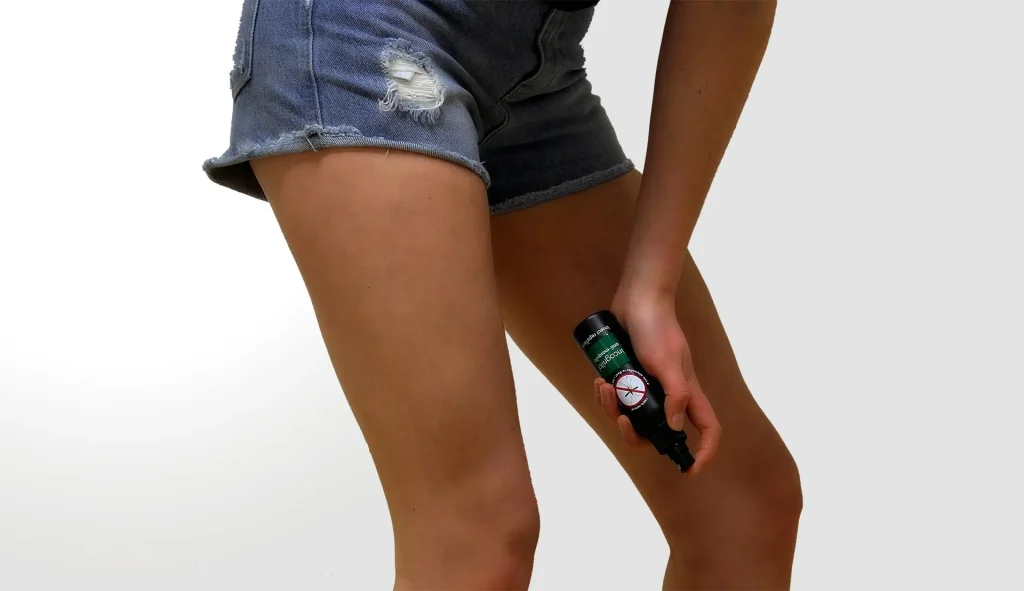
3. Use mosquito repellents: Apply mosquito repellents containing DEET or other recommended ingredients to exposed skin when spending time outdoors, especially during peak mosquito activity periods.
4. Wear protective clothing: Cover your skin by wearing long sleeves, long pants, and socks when venturing into mosquito-prone areas.
5. Install screens: Fit windows and doors with fine-mesh screens to prevent mosquitoes from entering your living spaces.
Conclusion:
The inland floodwater mosquito, Aedes vexans, represents a unique species of mosquito that thrives in temporary water bodies formed after heavy rainfall or flooding. While they do not transmit diseases, their aggressive biting behavior and large population sizes can be a nuisance to humans. By implementing effective mosquito control and prevention measures, we can minimize their impact
Mosquito-Borne Illnesses in Indiana

Understanding the risks and prevention
 Introduction:
Mosquitoes are not just pesky nuisances; they can also pose significant health risks by transmitting diseases to humans. In Indiana, several mosquito-borne illnesses have been reported over the years. In this blog post, we will explore some of the most notable mosquito-borne illnesses in Indiana, their symptoms, and effective prevention strategies to safeguard your health.
1. West Nile Virus (WNV):
West Nile Virus is the most common mosquito-borne illness reported in Indiana. The virus is transmitted through the bite of infected mosquitoes, primarily the Culex species. While most infected individuals experience no symptoms or mild flu-like symptoms, severe cases can lead to meningitis or encephalitis, which can be life-threatening, especially in older adults or individuals with weakened immune systems. Symptoms may include fever, headache, body aches, fatigue, and sometimes a rash. Prevention measures include using mosquito repellents, wearing protective clothing, and eliminating standing water around your property.
2. Eastern Equine Encephalitis (EEE):
Although rare, Eastern Equine Encephalitis (EEE) has been reported in Indiana. The virus is transmitted by infected mosquitoes, primarily Culiseta melanura, which typically feed on birds. Humans can become infected when bitten by mosquitoes that have previously fed on infected birds. EEE can cause severe inflammation of the brain and has a high mortality rate. Symptoms may include high fever, headache, stiff neck, seizures, and coma. Due to its severity, prevention is crucial. Avoiding mosquito bites, especially during peak activity times, and reducing mosquito breeding sites can help minimize the risk.
3. La Crosse Encephalitis (LAC):
La Crosse Encephalitis is another mosquito-borne illness found in Indiana. It is primarily transmitted by the Aedes triseriatus mosquito, commonly known as the tree-hole mosquito. LAC primarily affects children and can cause symptoms ranging from mild flu-like illness to severe neurological complications. Symptoms may include fever, headache, nausea, vomiting, drowsiness, and seizures. Minimizing exposure to mosquitoes, using repellents, and wearing protective clothing can help prevent LAC.
4. Zika Virus:
Zika Virus gained global attention a few years ago, although the risk has decreased significantly. Zika is primarily transmitted by the Aedes aegypti and Aedes albopictus mosquitoes. Most infected individuals experience mild symptoms, including fever, rash, joint pain, and conjunctivitis. However, the virus poses a significant risk to pregnant women, as it can cause birth defects, including microcephaly, in newborns. Prevention measures, such as mosquito control, using repellents, and practicing safe sexual practices, are essential to prevent Zika transmission.
Conclusion:
Mosquito-borne illnesses pose a real threat in Indiana, and it is crucial to be aware of the risks and take appropriate preventive measures. Minimizing exposure to mosquitoes, especially during peak activity times, using mosquito repellents, wearing protective clothing, and eliminating standing water around your property are effective ways to reduce the risk of mosquito-borne illnesses. Stay informed, follow public health guidelines, and take proactive steps to protect yourself and your loved ones from these potentially serious diseases.
Oak Wilt – What to do
Our majestic oaks are under attack!
 Oak wilt is a fungal disease, not like the invasive bugs like the infamous emerald ash borer. This fungus was first noted in the 1940's, and has since spread to many areas across the United States. The fungus effects the uptake of water and nutrients to the canopy of the tree, effectively killing it in a very short amount of time.
Oak wilt can be transported by several insects, but it isn't the insect that is doing the damage. Instead, it is simply transporting the fungal spores to other trees. From there, the fungus can spread through root grafts (tree roots of separate trees that are interconnected). This is why it is not uncommon to see trees infected in groups. The two major groups of oaks are red and white. Red oaks form the fungal mat (pictured above), which insects are attracted to, feed on, and pick up the fungal spores. They then go to other oaks spreading the infection. Red oaks can die very quickly once infected often within weeks of infection. White oaks do not form the fungal mat, allowing them to survive longer. This has given the misperception that white oaks are resistant to this disease, they are not. Symptoms on white oaks include large portions of the trees dying without notice, eventually the entire tree will succumb to the fungal disease.
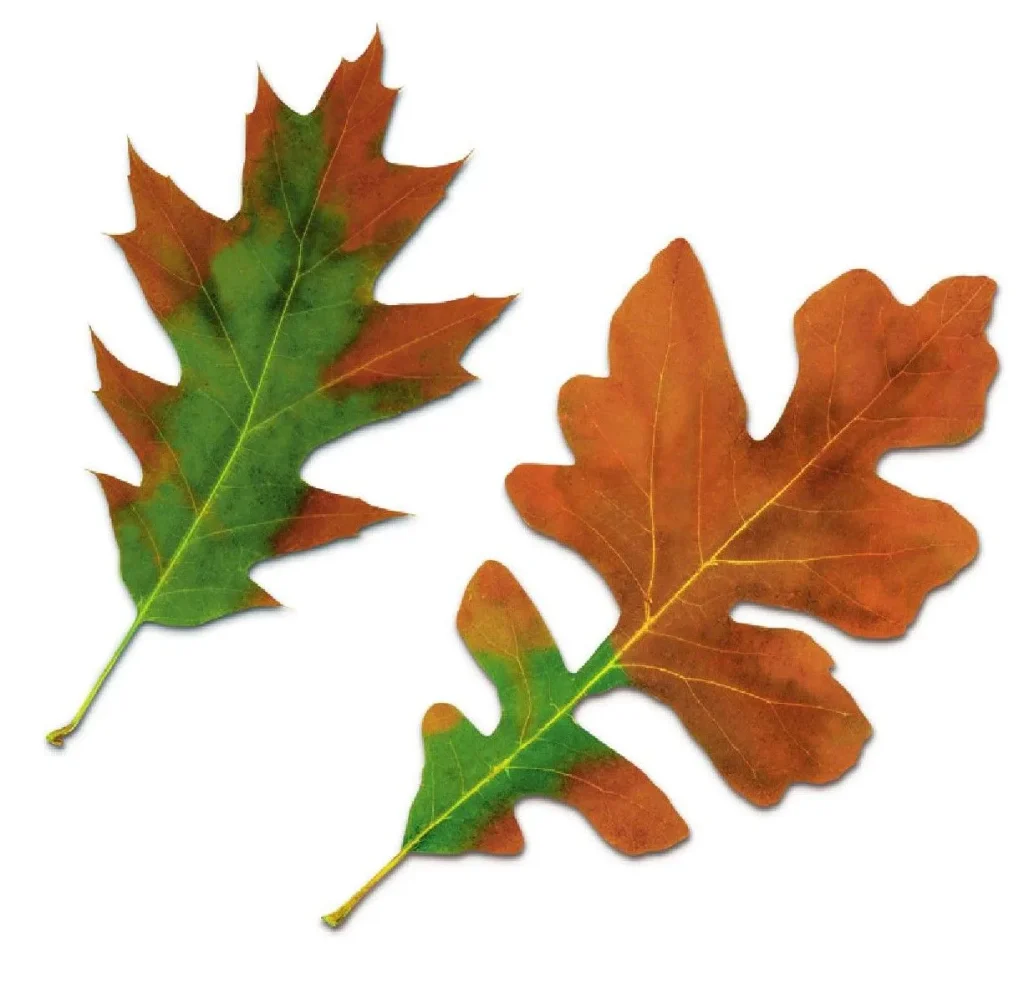
Symptoms of oak wilt include: wilting of leaves (hence the name), leaves turning fall colors unseasonably, half dead leaves with a distinct line between live and dead, and die back in the canopy. Red oaks may also show signs of the fungal mat, typically this is found underneath loose bark.
The best action is to be proactive. Prevention is far more effective than therapeutic treatment. The treatment consists of a fungicide injected into the tree. Healthy trees will uptake and spread the fungicide far better than infected trees. Once symptoms show, the likelihood of successful treatment diminishes rapidly. If you have oak trees that you cherish or don't want to pay the high cost of removal, it is best to act sooner than later.
The Green Advantage's ISA certified arborists can help with this and all ornamental diseases. We are here to answer your questions, find solutions, and make honest assessments on how to move forward. We look forward to hearing from you.
We are not your competition – A notice to professionals
We are a resource that can help grow your business and keep your customers happy!
 Are you a professional that can utilize our services?
The Green Advantage is NOT your competition, rather we are a resource for you to utilize to service your customers. Through the years The Green Advantage has been an asset to a variety of businesses. We work in tandem with you providing synergy allowing you to excel. We also promote quality businesses whenever possible. Our ultimate goal is to help others, including other businesses.
We offer pest inspections that allow real estate agents and banks to close transactions with ease. Nothing is more frustrating than a technicality, like a pest inspection to delay things. We are your solution!!
Cleaning services are often the first to notice pest problems indoors, especially for businesses. How can a facility stay clean when there is an active invasion. Be it insects, mice, or indoor plant material; we have the knowledge to make your job easier!!
Tree removal companies are able to offer their customers plant health care, without impeding what they do best. Nothing is worse for arborist than removing a desired tree simply due to disease. We understand that your procedures and systems are streamlined for tree removal, but if your customer can benefit from keeping that tree alive, your reputation will thank you! We also come across many trees that unfortunately cannot be saved. Some of trees are simply not desired and need removal, some are beyond treatment. We are not a tree removal service, and our arborists are focused on treatment. When these situations come our way we need quality companies to refer to.
Landscape Contractors and fertilizing companies have frequently used our services to aid in specified plant care. One of the biggest issues we see is scheduling conflicts when it comes to services. Tree and landscape treatments and fertilization are extremely timely services. More often than not Landscape contractors are focused on spring cleanups and fertilizing companies are focused on the first applications of fertilizer when these treatments are due. Incorrect timing of these treatments, will render them useless. It is important to utilize resources to service customers as efficiently as possible. Hiring unqualified staff to perform these technical services is often the only solution as these treatments are typically annual. We have witnessed companies attempt this, only to find they have over committed to staff and cannot deliver steady work through the season. These services coincide with other services we perform, so in addition to our knowledge and expertise it does not result in scheduling conflicts or over commitment in our line of work. Some areas this may help you: Tree and plant health, stress reduction on new plant material installations, growth regulators (reducing labor costs), pest blooms, difficult weed issues, or industrial weed control.
We want to be of service to you and your customers. Our knowledge, expertise, and qualifications put to use allows you to focus on what you do best, and all of us to enjoy happy, satisfied customers.
We are NWI’s most qualified pest control professionals.
We are local, We support our community, and We are here for you!!!
Tree Technology

What is Tree Technology?
 Tree Technology is The Green Advantage’s brand of plant health care. Landscape plant material, trees, and turf all suffer from a variety of conditions causing disease. Many of these conditions are a result of the type of plant, where they are planted, and how they are planted. The primary focus is on the health of the plant. Healthy plants with low stress levels are not as prone to disease as unhealthy. More often than not a pathogen attacks a plant that is stressed. This stress can be cause by a multitude of reasons like: available water, lack of macro and micro nutrients, bound roots, available sunlight, and type and condition of soil. Most plants used in landscape are exotic, so many of these conditions are not the same as their natural environment.
In order for disease to occur 4 elements must be present.
1. A susceptible host
2. Pathogen
3. The correct environment
4. Time
The susceptibility of the plants can be diminished by keeping them healthy. This is one focus of Tree Technology. We offer fertilizer and soil remediation to help the vigor of plants. All fertilizer is not the same and all application methods are not the same. Different plants have different requirements. Our extensive experience has granted us the knowledge of what to use and how to apply it.
Controlling the pathogen is another aspect of disease management. Once again, different pathogens require different treatment methods. Many of the methods that were common even a few years back, have become obsolete. New techniques have replaced the old in this ever changing field. In addition, invasive pests have become an issue more commonly in recent times due to a number of factors such as global trade. The Green advantage technicians are constantly training on new procedures, different pests, and alternative products.
Environmental conditions are constantly a concern. Some are controllable, some are not. Our technicians have vast knowledge on a wide variety of plant material, and often it is this knowledge that helps us inform caretakers of how to control the environment as much as possible. One of the main factors in the environment that effects plants drastically is the amount of available water. Over and under watering is a common occurrence, leading to stress and eventually disease. Another condition is soil type. This can be more difficult to adjust, but often it is as simple as aerating the soil. These are all services The Green Advantage provides.
The final factor in disease is time. Obviously no one can make more time, or go back in time; but if any of the above conditions don’t exist for enough time for disease to take place, it simply won’t. Not allowing these factors to exist long enough to cause disease is the ultimate goal.
The Green Advantage offers a variety of services for landscape plants, trees, and turf. Putting our knowledge and expertise to work for you gives us extreme joy. If there is any way we can help or any questions you may have, please do not hesitate to contact us!!
The Green Advantage are NWI’s most qualified pest control professionals.
We are local, We support our community, and We are here for you!!
It’s complicated – a deeper look into pest control

Things are not always as they seem

I see pest control minimized quite often. “Just grab the spray”, “I picked this up at the hardware store”, and “it says it kills bugs and eggs” are often the statements we hear. The truth is, there’s a little more to it than that (would you believe it).
The science of pest control, is just that…a science. We constantly study things like modes of action, resistance, and insect behavior. It is actually pretty funny to hear the same people question the safety of chemicals, then run to the home improvement store, pick up some random product, and spray it all over their living space. Ironic, wouldn’t you say?
Responsibility to our health, the health of others, and the environment is one that should not be taken lightly and falls on all of us. I personally have witnessed the actions of the few impact the lives of many, often with incorrect information. There are several times in recent history that this activity by the few has resulted in the death of countless people. This is not to say grabbing an insecticide from the hardware store will kill anyone, but you often do not get the results you hope for and quite frequently expose yourself and your family unnecessarily to dangers you don’t even know about.
If you are one who minimizes or has done so in the past, don’t worry you are not alone. I have been known to do the same from time to time. Less frequently now than when I was younger, as with more experience and knowledge I realize more and more that true wisdom comes from both experience and knowledge. As an avid do-it-yourselfer, I have, on many occasions, minimized tasks and ended up far over my head.
A few things us professionals study and keep up to date with are:
1. Integrated pest management
2. Pest behavior
3. Resistance management
4. Modes of action
5. Persistence of chemicals
6. Options besides pesticides/chemicals
7. Timing of applications
8. Prevention of pests
9. Abatement of pests
10. Safety of pesticides/chemicals
11. Interaction of pesticides/chemicals with the environment
12. Legal use of products
13. New and updated methods and options in pest control
14. Invasive pests
Just to name a few.
Even though it was quite acceptable in the past to grab that can and spray away, no one can argue that times haven’t changed. As a society we are attempting to be more responsible. Knowledge gained from experience has proven our lack of foresight in the past. The negative impacts of irrational behavior has resulted in the countless demise of many. Even with the newer ideas that “natural is better”, few take into account that natural does not eliminate safety precautions (remember asbestos is natural). Many of the natural products on the market can and will lead to the same problems we experience with synthetics, if they are not properly used and respected.
By no means am I writing this to overcomplicate what we do. I’m simply sharing some of what goes on behind the scenes that most don’t have access to. When most think of pest control, their minds often jump to images of John Goodman and his spray rig (Arachnophobia, for you youngsters :) ). The truth is a little more complex, and a lot more scientific.
Here at The Green Advantage, we have a passion for pest control. I often talk about my late nights reading pesticide labels while sitting with my family as they enjoy a movie. Our education never ceases as we look for better ways to service our friends, who happen to be our customers. If there is any way we can help you let us know!!
We are NWI’s most qualified pest control professionals.
We are local, we support our community, and we are here for you!!
We give you the edge!! Growth regulator benefits explained
A great tool not very commonly known, but we want available to you!!
Want the most up to date technology in lawn and landscape care? Now, we aren’t talking about the newest battery operated lawn mower, or a mower that bounces around your yard like an automatic vacuum. We are talking about the technology that few know about and even fewer (including the professionals) utilize.
Growth regulators are one of the best ways to help manage the labor intensive maintenance that goes hand in hand with beautiful looking landscape. It is also a fantastic way to improve the health of landscape plants, trees, and turf.
Let’s dig in!!
Let’s look at landscape plant material first. Most of the plants in landscaping are not native. Exotic plants are always the hype, for multiple reasons. Most of the non-native plants give our landscaping appeal that native plants just can’t do. Being exotic, the growing environment often differs from what these plants grow in naturally. We can amend the soil, fertilize, and water to make up for many of the differences. Another option to improve plant health, appearance, and lower maintenance is using growth regulators. There are a few different types that effect the plants in different ways, but for the most part all have a similar results. Slowing outward growth while not impeding root growth is the main effect, resulting in health benefits. Additionally, most plants grow more compact, require less shaping, and greatly reduces cleanup as the amount and frequency of pruning is drastically reduced. Landscape plants look far better and look neater as they grow more compact. The best part (in addition to looking better) is the reduced labor and maintenance; whether you do the work yourself, hire someone to do so, or if you are a commercial landscaper all can benefit.
Trees also benefit from growth regulators. Arborists at The Green Advantage often recommend growth regulators as a health benefit. Trees grown in an urban (including suburban) have different obstacles than trees in their natural environment. Soil is disturbed, removed, and replaced during construction. The ground is far more compacted and water is not available the same as in a natural environment. Trees grown for the purpose of landscape are grown differently than they would naturally and there are a multitude of problems that can occur due to transplanting. Many of the problems with trees are the result of root issues. Root binding and compaction are two very common problems. Root binding occurs when roots are entangled with each other or the trunk of a tree. As the roots grow in diameter they “choke” other roots or the trunk of the tree. Compaction from vehicles, people, and other sources, impedes the ability of the fibrous roots to function properly. Aeration or mechanical amendment to soil are often prescribed for compacted conditions if available. There are times when these methods cannot be performed, like when a tree is located near pavement. Growth regulators can dramatically help trees in these conditions as they allow time and energy for root growth, and reduce demand on the root system by slowing the upward and outward spread of the tree canopy. This also benefits in water uptake and nutrient availability, as there is a reduced demand. Trees treated with growth regulators generally look better as their health improves, and they grow more compact.
Turf benefits in many of the same ways. Turf treated with growth regulators grows far thicker than untreated turf. It also has reduced water needs and healthier root systems which aid in drought tolerance. If the health benefits alone are not enough to convince you, the reduced maintenance surely will. Less grass clippings and reduced frequency of mowing is a fantastic result!!
Many professionals have taken advantage of growth regulators in the past and we want to make the benefits available to everyone. The reason these products are not used more frequently, is the complexity of application. It is difficult to apply properly without the correct equipment, knowledge of the equipment, and experience in applying properly. That’s where we come in!! Feel free to contact us for more information!
We are NWI’s most experienced pest control professionals. We are local, we support our community, and we are here for you!!!
Worried about bed bugs, ask these questions

Here are the questions our experts can help you answer
 Bed bugs have been one of the world’s most notorious pests. There has been a major increase in bed bug infestations across the United States, you have probably heard about this.
Do you know the signs of a bed bug infestation?
Do you know where bed bugs hide?
Did you know most over the counter products are ineffective against bed bugs?
Did you know that using the wrong products can make a bed bug situation worse and cost more to get rid of Bed Bugs?
Did you know there are steps that can be taken to prevent bed bugs?
If Bed bugs are a problem or a concern, we are your solution with:
- Inspections – if you suspect a bed bug problem, give us a call.
- Prevention programs – If you want to avoid a bed bug problem, give us a call
- Abatement – If you have a bed bug problem, give us a call
NWI’s most qualified pest control professionals are your solution for bed bugs.
The Green Advantage
219.779.9815
Weed Control Explained
The technicals - For all who want to know

Modes of Action
Mode of action refers to how exactly a product effects a plant. The categories here are broad. There is a lot more that goes into selecting herbicides in a resistance management program. At The Green Advantage, we take resistance management very seriously. Incorrectly using products can have devastating results in the long term on this industry, resulting in the production of new modes of action, often using products that have an unknown long term effect on the environment and health of people and animals. It is best that we all be responsible in the usage of herbicides, as the negative effects of being irresponsible are far reaching.
Weed Control
Fertilization programs often contain weed control. For the most part, two types of weed control are utilized: Pre-emergent and Post-emergent. The names indicate when the application is applied, before the weeds emerge or after. The last type of weed control, Ground Sterilizers, are in a category of their own, and are used for long term vegetation control usually on industrial sites, parking lots, and other areas where no vegetation is desired.
Pre-emergent
Pre-emergent weed control is used to prevent weeds in lawns and landscaping. This is accomplished by preventing seeds from germinating. The main target for pre-emergent weed control are annual weeds. Annual weeds live for one year, so they depend on reproducing by seeds. The seeds from perennial and bi-annual weeds are also prevented from germinating, although pre-emergent applications will not prevent weeds that have already germinated.
The application is made when ground temperature reaches about 50 degrees Fahrenheit. Timing is critical: If applications are made too early, much of the active ingredients will degrade or leach out of the treated area before the seeds are ready to germinate. If made too late, seeds will already have germinated, rendering the application useless.
Another popular use of pre-emergent weed control is in landscape beds, as it does not affect the plants that are currently growing.
This is not effective on weeds that have already emerged or have root systems that are living. This tends to be the biggest misunderstanding with this type of weed control. As the treated areas are observed, many weeds have not gotten out of their dormant state and are not visible. This application is usually made in the early spring, but as the temperatures rise certain weeds become visible; often dandelions. The weeds that seem to emerge (technically they are not emerging, instead they are leaving their dormant state and beginning their seasonal growth) after the application are often perennials that have over wintered, so their root systems are still intact.
Post-emergent
The second general type of weed control is post-emergent. It is applied after the weeds have emerged, and is most effective when the weeds are actively growing. There are two categories of post-emergent formulations: selective and non-selective. Selective herbicides target certain weeds or groups of weeds. Non-selective herbicides effect any vegetation. The most common in turf is a selective broadleaf weed control, as grass is nearly unaffected by the application (occasionally a slight browning of the lawn may result, but this is usually temporary if the application is made correctly).
Selective and non-selective herbicides are available in systemic and contact formulations. Systemic weed control effects the internal workings of the plants, resulting in elimination. The results from systemic weed control are often seen over a short period of time, often 3 days to 2 weeks. Contact weed control externally effects the plants, the results are very rapid often within hours. The problem is the effective ingredients can be washed away fairly easily and the application made ineffective. Re-application of contact weed control is not uncommon when desired results are not obtained fairly quickly. It is also not uncommon for the weed root systems to survive the leaf kill and recover from the damage, requiring multiple applications.
We often use a combination of Systemic and Contact weed control. This gives a fast but total kill; as the contact herbicide effects the top of the plant, the systemic herbicide goes to work on the root system.
Ground Sterilizers
This is a non-selective herbicide which renders the soil unable to support plant life for a period of time. Depending on the product used and the application made, this period can be up to two years. Often this type of herbicide is restricted to industrial sites, parking lots, railroad areas, and utility areas.
As you can see there is a lot more to weed control than most would expect. Using the right equipment and knowing the products is critical to safe and effective weed control. Proper training, research, and experience are necessary to perform these services. Advice from professionals should be followed, as they work with these materials often enough to know the timing and methods to use in order to achieve the best results.
Feel free to contact me if you have any other questions.
Jon Ipema
The Green Advantage
219.779.9815
NOTICE: New lawn owners

Caring for a new lawn.
 You’ve done it, finally obtained the house of your dreams. Kitchen to match and that walk in closet that that you never thought possible. If the kids are lucky enough they have a swing set in the backyard and a mini picnic table that is just their size. What a beautiful way to enjoy the summer. The landscaping was finished just in time, and the front and back yards look fabulous.
Now the cold hard truth…when you opted for low maintenance; it didn’t mean no maintenance. Let’s take the lawn for example. Many houses today are sodded in the front; and seeded in the back. Little or no instruction is given outside of watering (which is often incorrect as well.
Contrary to popular belief sod is not the “one and done”, that it is made out to be. For starters, most sod is over 90% Kentucky bluegrass. Having one cultivar of grass can be detrimental as this leaves the turf vulnerable to insect pests and fungal issues. The reason most grass seeds are a mixture of types of grass is that some do better in shade, some in sun, others in wet, others in dry, and some are well suited for high traffic areas. This is just a small list of the variants. Allowing the correct cultivar to grow, eases stress and allows for nutrient uptake.
In my opinion, Kentucky bluegrass is one of the least suited grasses for our area unless used in a blend, for several reasons. Kentucky bluegrass is known to go dormant after 1 week of no precipitation/irrigation. Nitrogen (especially quick release/UREA) triggers Kentucky bluegrass into rapid thatch production. Excessive thatch increases harborage and promotes an environment for insects. This environment is also favorable for fungal disease, and encourages shallow root development. Often, the roots grow in the thatch layer which varies in temperature by about 10 degrees throughout the day. This excessive thatch layer restricts oxygen transfer to the roots, both inhibiting plant growth and drastically increasing stress levels.
The back yards are often started as seed as a cost saving measure. This is actually the preferred way to start turf as most seed is blended with ryegrass, fescues, and Kentucky bluegrass. The downside is that weeds start almost immediately without any competition. I usually recommend ignoring the weeds at first, allowing the grass to get established. Deal with the weeds after when there is less of a risk of destroying the young vulnerable grasses. The downside is the time it takes to establish the turf; and it is frequently messy and muddy. The long term results are far better and the rewards are worth it.
The majority of attention on lawns is given to fertilizer. Although it is important to feed a lawn and be sure it has all the macro-nutrients (Nitrogen, Phosphorus, and Potassium) and micro-nutrients (Iron, Manganese, Zinc, Copper, Chlorine, Molybdenum, Boron, and Nickel), other items must be accounted for or nothing will make a lawn healthy.
1. Cutting a lawn at the proper height and not removing too much of the plant in any single cutting is often neglected. This happens because most people don’t know the proper height to cut at. This varies with the type of grass that is planted. Most cool season grasses (the kinds we see in NWI) need to be maintained at 3 to 4 inches, and never remove more than 1/3 the height of the plant.
2. Proper watering is another aspect with a lot of misinformation. Turf needs 1 to 1.5 inches of water a week and deep waterings are far better than more frequent shallow waterings. This equates to about thirty minutes of watering 2 times a week.
3. The last and I believe the most important maintenance you can do to turf is aeration. Most advice given suggest 1 time a year is adequate. I believe 2 times a year should be minimum. Once in the spring and the second in late summer early fall. The reason is that aeration is performed to decompact soil and maintain the thatch layer. After all the summer cuttings and traffic the soil most definitely needs decompaction, especially before winter when the grass plant (although, seemingly dormant) uses energy to expand root growth. In the spring, the turf has spent the entire winter expanding root growth and the soil has supported snow and cold weather.
Most installers don’t advise clients on what needs turf has when they install. If sod is installed (which is not bad by any means), over seeding is a pertinent step in assuring you have and keep a beautiful looking lawn for years to come. Even if a lawn was seeded over seeding is always beneficial as better cultivars are always available. Over seeding is a process of adding other cultivars of grass to a lawn, insuring a blend of grasses. Which type of grasses are used depends on many factors, we are here to help.
We are local, we support our community, and we are here for you!! The Green Advantage.