
What is the Tree of Heaven?

Widespread Invasive Species
The tree of heaven, known scientifically as Ailanthus altissima, is a deciduous tree that belongs to the Simaroubaceae family. It is also commonly referred to as the Chinese sumac, stink tree, or paradise tree. Here are some key characteristics and information about this species:
1. Origin and Distribution: The tree of heaven is native to China and northern Taiwan. However, it has been introduced to many other regions around the world, including North America, Europe, and Australia.
2. Size and Growth Habits: This tree can grow to be quite large, reaching heights of 40 to 80 feet (12 to 24 meters) tall. It has a spreading, open crown with a diameter of 30 to 50 feet (9 to 15 meters). The trunk is usually thick and rough, with gray-brown bark.
3. Leaves: The leaves of the tree of heaven are large, compound, and pinnate, measuring around 1 to 4 feet (30 to 120 cm) long. Each leaf is composed of 10 to 41 leaflets, arranged oppositely along a central stalk. The leaflets are lance-shaped with serrated edges and have a characteristic foul odor when crushed.
4. Flowers: In early summer, the tree of heaven produces small, yellowish-green flowers in panicles that can grow up to 2 feet (60 cm) long. The flowers are not particularly showy and have a distinct scent that is often compared to the stench of rotten peanuts or burnt rubber.
5. Fruits and Seeds: The female trees bear clusters of samaras, which are papery winged fruits that resemble keys or helicopters in shape. Each samara contains one seed and they are dispersed by the wind.
6. Growth Rate and Invasiveness: The tree of heaven is well-known for its rapid growth rate, making it a successful colonizer in various environments. It has a resilient nature and can tolerate a wide range of soil conditions, air pollution, and even drought. These traits, along with the ability to produce a large number of seeds, contribute to its aggressive invasiveness and potential to outcompete native plant species.
7. Cultural Uses: In some cultures, the tree of heaven has historical significance and has been used for various purposes. For instance, parts of the plant have been used in traditional Chinese medicine, while extracts from the bark and roots have been used for dyeing and tanning processes.
Despite its positive aspects, the tree of heaven is often considered invasive and unwanted, particularly in areas where it has been introduced outside its native range. Its ability to rapidly colonize disturbed areas and outcompete native species has led to it being classified as an invasive species in several countries.
Unveiling the Mystery of Moles

Nature's Hidden Treasure
Moles, these small underground creatures, have remained somewhat of a mystery to many of us. We may have seen the signs of their presence, like the raised tunnels in our gardens, but how much do we really know about these fascinating critters? In this blog, we will delve into the captivating world of moles and shed some light on their unique characteristics, behavior, and ecological importance.
First, let's debunk a common misconception about moles. Though often mistaken as rodents, moles are actually mammals belonging to the Talpidae family. With their cylindrical bodies, short fur, and paddle-like feet, moles are specifically adapted for a subterranean lifestyle. Their most distinctive feature, however, is undoubtedly their long, pointed snout, which houses an exceptional olfactory system.
Moles are renowned for their superb digging abilities, allowing them to create a network of intricate tunnels beneath the earth's surface. These networks serve various purposes, such as providing shelter, foraging for food, and even breeding. Moles are solitary creatures that spend most of their lives underground. Consequently, their eyes are often reduced in size and their vision is poor, as they have evolved to rely heavily on their other senses.
One of the most interesting facets of mole behavior is their feeding habits. Moles are insectivores, primarily consuming earthworms, grubs, and other small invertebrates found in the soil. Despite their small size, moles have quite the appetite, consuming more than their body weight in food each day. Their voracious appetite is essential in maintaining the health of the ecosystem, as moles help control populations of soil-dwelling pests that can be detrimental to plants and crops.
Furthermore, their subterranean tunnels also play a crucial role in soil health. As moles burrow through the ground, they aerate the soil, aiding in water absorption, root growth, and nutrient circulation. Their digging activity contributes to the turnover of organic matter, enriching the soil and fostering healthier plant life.
Though their underground lifestyle is primarily beneficial to the environment, it can sometimes cause issues for human activities. The raised tunnels and molehills can be a nuisance when they appear in gardens or agricultural land. However, it's essential to remember that moles are merely fulfilling their ecological role, and non-lethal solutions, such as diverting their tunnels or installing fencing, can help mitigate any conflicts.
In conclusion, moles may be elusive creatures, but they hold a crucial place in our ecosystem. Their remarkable digging abilities and feeding habits contribute to soil health and pest control, making them an integral part of nature's delicate balance. While their presence might occasionally inconvenience us, it's worth appreciating the wonders of these underground dwellers and the value they bring to our environment.
Next time you come across a molehill or a raised tunnel, take a moment to acknowledge these nature's hidden treasures and marvel at the fascinating world they inhabit.
Termites

Tiny Pests with a Surprisingly Fascinating World
Termites might not be the most glamorous creatures, but don't let their small size and unassuming appearance fool you. These tiny insects play a vital role in ecosystems worldwide and have a captivating social structure that rivals that of any other animal. In this blog, let's explore the fascinating world of termites, their ecological significance, and how they have managed to thrive for over 250 million years.
Evolution and Classification
Dating back to the rise of dinosaurs, termites have a long evolutionary history. Belonging to the order Blattodea, they are distant relatives of cockroaches and mantises and are divided into three families: Termitidae, Rhinotermitidae, and Kalotermitidae. Each family has unique characteristics and lifestyles, but all share one thing in common: their incredible ability to break down cellulose, found in plant material.
Social Structure and Castes
Termites are eusocial insects, meaning they live in highly organized colonies with a cooperative division of labor. The colony consists of different castes, each with specific roles and responsibilities. The reproductive caste includes the king and queen, responsible for reproduction. Soldiers, with their large jaws or chemical weaponry, protect the colony from threats. Workers, the most numerous castes, build and maintain the nest, forage for food, and care for the young.
Termites and Ecosystems
While termites might be considered pests in our homes, they play a crucial role in the environment. Termites are powerful decomposers, breaking down dead plant material and recycling nutrients back into the soil. Their digestion of cellulose, thanks to the help of microorganisms in their guts, allows them to exploit food sources that would be inaccessible to other organisms. Additionally, termites construct intricate nests that provide shelter for numerous plant and animal species, contributing to overall biodiversity.
Farming and Symbiotic Relationships
One of the most remarkable aspects of termite behavior is their ability to cultivate fungi. Certain termite species create "gardens" within their colonies, where they cultivate specific fungal species. These fungi break down the wood the termites collect, providing a valuable food source for the colony. In return, termites actively protect these gardens from other invasive fungi or pathogens, showing a complex symbiotic relationship that has developed over time.
Impacts on Human Life
While termites are integral to ecosystems, they can pose challenges when they invade human habitats. These tiny pests cause extensive damage to buildings and wooden structures, leading to significant financial losses. However, it is important to note that not all termites are destructive. In fact, some species help control the spread of invasive plants or reduce the risk of wildfires by breaking down dead vegetation.
Conclusion
Termites might not be the most glamorous creatures, but their existence and contributions are undeniable. From their remarkable social structure and symbiotic relationships to their crucial role as ecosystem engineers, termites have a complex and awe-inspiring world. Understanding and balancing their impacts on both natural and human environments is essential, as these tiny insects continue to shape and influence diverse ecosystems across the globe.
Uninvited Guests

A Sneak Peek into the World of Bedbugs
They are small, elusive, and incredibly resilient - bedbugs. Just hearing the name is enough to make your skin crawl. These infamous blood-sucking creatures have been a human nuisance for centuries, causing frustration, discomfort, and even psychological distress. In this blog, we will delve into the world of bedbugs, exploring their characteristics, habits, and most importantly, how to prevent and eradicate these unwelcome guests.
1. Bedbug Basics:
Bedbugs are small insects, typically around 5-7 mm long, oval-shaped, and reddish-brown in color. Contrary to popular belief, bedbugs are not confined to beds alone; they can infest various furniture, cracks, and crevices within the house. Though they do not transmit diseases, their bites can cause itching, allergic reactions, and in some rare cases, secondary infections.
2. Habits and Behavior:
Bedbugs are nocturnal creatures, coming out at night to feed on human blood while we sleep. They are attracted to the warmth and carbon dioxide we emit, allowing them to locate their next meal. These pests have a remarkable ability to survive without feeding for months, making them challenging to eradicate once an infestation occurs.
3. Common Signs of Infestation:
Detecting a bedbug infestation requires careful observation. Look out for these signs:
- Reddish stains or spots on the sheets, pillowcases, or mattress caused by bedbugs being crushed or their droppings.
- Small, itchy bites appearing in clusters or a line formation on exposed skin.
- Fecal traces that resemble tiny dark spots on bedding or furniture.
- A musty odor, often described as a combination of coriander and rotten raspberries, emitted by bedbugs' scent glands.
4. Prevention Tips:
Prevention is key when it comes to avoiding bedbug infestations. Here are some handy tips:
- Inspect hotel rooms or accommodations for signs of bedbugs before settling in.
- Avoid buying used furniture or thoroughly inspect it before bringing it into your home.
- Use protective covers on mattresses and pillows, making it difficult for bedbugs to penetrate.
- Vacuum regularly, paying extra attention to potential hiding spots such as seams, edges, and cracks.
- Reduce clutter and maintain cleanliness within your living space to minimize hiding spots.
5. Eradication Strategies:
If you find yourself dealing with a bedbug infestation, it's essential to take prompt action. While professional pest control services are often necessary, some steps can be taken to help mitigate the issue:
- Isolate affected items in plastic bags, and wash and dry them on high heat.
- Vacuum thoroughly, ensuring to dispose of the bag outside afterwards.
- Apply a residual insecticide to cracks, crevices, and other potential hiding spots. Be sure to follow all instructions and precautions.
6. Mental and Emotional Impacts:
Living with bedbugs can take a toll on one's mental well-being. The stress of constant itching and the fear of infesting others can be emotionally draining. It is essential to seek support from friends, family, or professionals if the psychological impact becomes overwhelming.
Conclusion:
While bedbug infestations are undoubtedly unpleasant, knowing more about their habits and potential preventive measures can help you tackle them effectively. By staying vigilant, practicing good hygiene, and following the tips mentioned, you can reduce the chances of these nocturnal pests turning your nights into a nightmare. Remember, early detection and intervention are crucial in managing and eradicating bedbug infestations.
The Apple Scab Resistant Trees

A Perfect Fit for Indiana's Orchards
Indiana, with its diverse climate and rich agricultural heritage, is an ideal region for apple cultivation. However, one challenge that apple growers in the state face is apple scab, a fungal disease that can severely impact fruit production. To combat this problem, many orchard owners are turning to apple scab resistant tree varieties, which show great promise in achieving healthy and resilient apple crops. In this blog, we explore the benefits of cultivating apple scab resistant trees in Indiana and how they can contribute to the thriving apple industry in the state.
Buzzing Menace
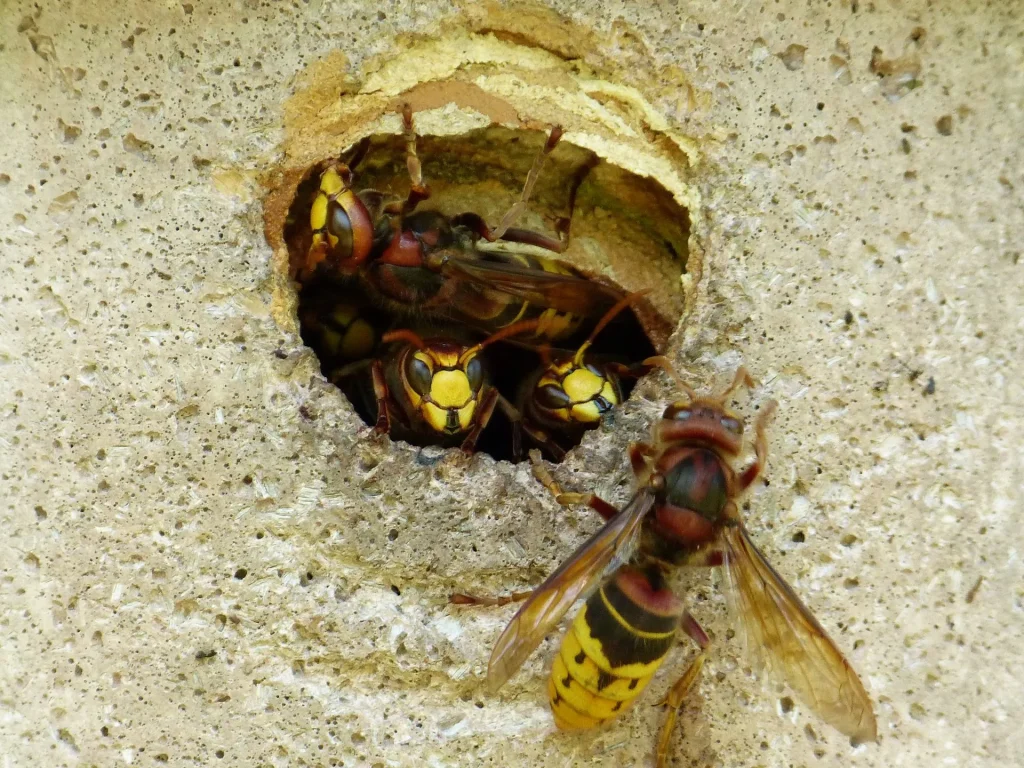
A Closer Look at Stinging Insects

Unveiling the Spotted Lanternfly

A Rising Threat to Ecosystems and Agriculture
Tree Planting
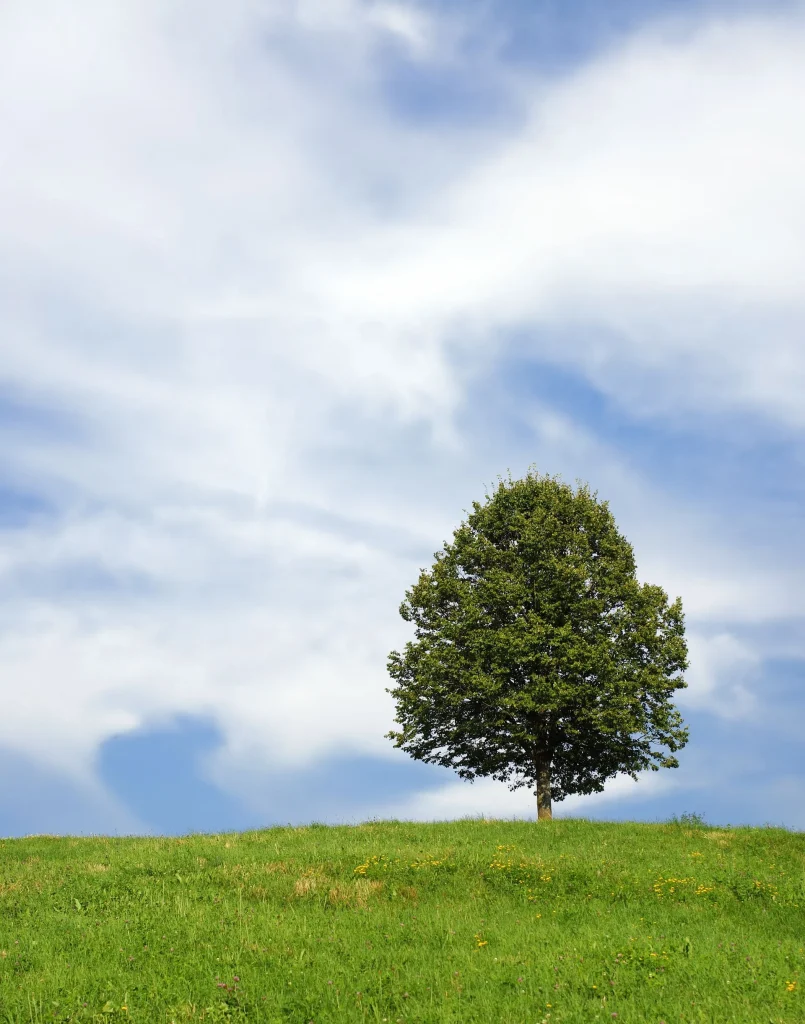
The best time to plant a tree was 20 years ago. The second best time is today.

It is common for planting procedures to be completed as follows: dig a hole, drop in plant, backfill, and water. Unfortunately, a little more should go into this is, if the goal is longevity in the health of a tree. Let’s go over the steps:
1. The first step is actually two things. Site selection and proper plant selection. These two things go hand in hand as they often effect each other, and decisions may change based on these factors. Often one of these two will take precedent over the other. For example, if a certain tree is desired, the site location may need to be adjusted to make it feasible. If a certain location (an example is if privacy is a reason for the plant) is the main factor the plant selection should be adjusted to fit the location.
A. If location is the primary concern: How much sunlight is available, for how long during the day? What are the soil conditions; clay, sand, loam? What are the drainage conditions of the site (for example, does it stay saturated in spring and dry all summer)? If someone wants to get even more technical this is the time for soil testing to determine pH and nutrient levels. It should be evaluated at this point which of these conditions are alterable, if they are and it is feasible it will make plant selection far easier.
B. If plant selection is the determining factor the site location can be changed to make it optimal for the plant. Check the plant for the conditions it requires: the amount of sunlight, the frequency and volume of water, and drainage requirements. Once this is determined, a location on the property can be selected that most closely resembles the requirements. If no location can be found, site preparation must begin, which is step 2.
2. Site preparation. One of the most important parts of this step is preparing the site for drainage requirements. Plant roots need certain conditions to thrive and ward off disease. A common disease in plants is crown rot. It is caused by fungi that exist in the soil, but doesn’t do much until the conditions are right. When soil stays saturated for long periods at the base of a plant the fungi thrives. To combat this, we want to insure that drainage is provided away from the base of the plant. To achieve this, pitch and soil type should be accounted for. When preparing a site with very poorly drain soil, it is important to excavate much larger than the root ball in diameter. I often will recommend 3-4 times the diameter, and replace this soil with a higher quality soil. When looking for soil, top soil is not all the same. We are looking for a high quality loam, which incorporates sand, clay, silt, and organics. The hole should only be so deep that the root ball rests on the bottom of the hole, with the crown of the tree should be slightly above ground level, so that after settling occurs it is level to the ground and not below ground level.
3. Installing the tree. Care should be taken to not injure the root ball. Although, it seems pretty tough and indestructible, roots are easily damaged by dropping them into the planting hole. This damage is often visible as dieback on the top of the tree after some time has passed. All burlap should be removed, and as much of the wire on the root ball should be removed as possible, especially wire around the crown of the tree. This will girdle the tree over time and lead to failure. If adjustments need to be made so the height of the crown is at or just above (1 to 2 inches) above grade, use clay underneath the root ball and compact. This will reduce settling and give the tree support.
4. Back fill around the root ball with the high quality loam. This will allow proper drainage while allowing proper water retention and penetration, without holding too much water which will suffocate the roots (yes roots need air). A soil additive containing mycorrhizae, which is a beneficial fungus that works with the root system is a great idea here. In addition, a low nitrogen, high phosphorus fertilizer will help the tree develop its root system.
5. Water. Water deeply and infrequently. 2 to 3 times a week is sufficient. If unsure, check the soil and be sure it dries out between waterings. Deep watering helps develop the root system. While infrequent watering, reduces the risk of root suffocation, as well as root rot and crown rot.
6. Follow up with fertilizer the following year. The Green Advantage utilizes a root zone fertilizer technique. It pumps the fertilizer into the ground into the root area of the tree. This is a 12 month, slow and steady release fertilizer that feeds the trees through the season. Our proprietary blend incorporates mycorrhizae, slow release nitrogen, nitrogen, phosphorus, potassium, micronutrients, as well as a pH adjustment that makes micronutrients in the ground usable to the trees. Using this method also aerates the root zone of the tree, allowing for oxygen transfer and further root development. The fertilizer binds to the soil, which eliminates leaching issues that are common with granular surface applied fertilizer. It also makes for a far more readily available fertilizer unlike tree spikes.
7. Monitor the tree for signs of disease, and follow up as necessary.
Tree diseases…and solutions
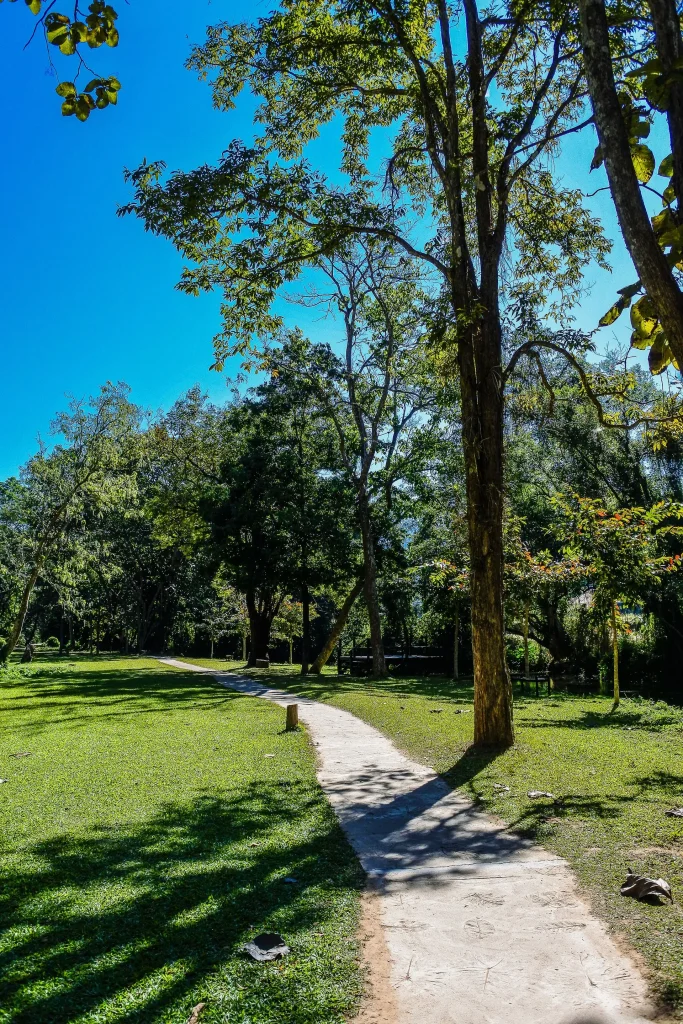
More than just sick!!
 First lets address what a disease is. Disease is anything that negatively effects a plants health and vigor. Yes, this does include abiotic like incorrect watering and not enough sunlight, as well as biotic; insect infestations and fungal infections.
Oak Wilt – Why is it spreading?
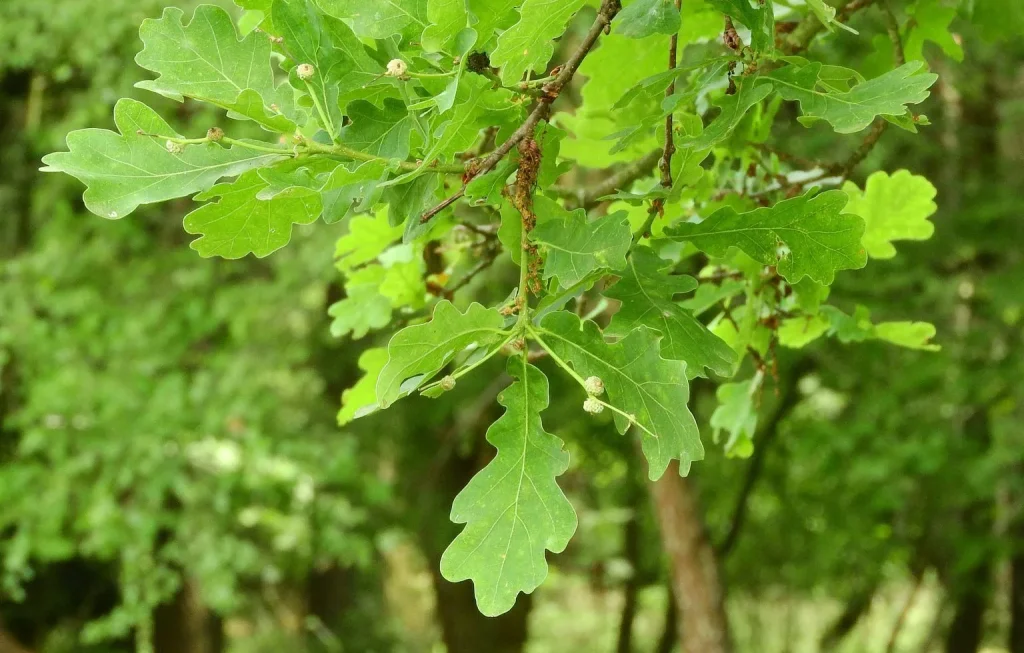
The spread is increasing velocity, here is why.
 As this terrible tree disease spreads it seems to move faster and faster into new areas. There are a few factors that are causing this.