
The Fascinating World of Ladybugs
 When we think of ladybugs, we often imagine cute and colorful insects with tiny black spots on their wings. These small but remarkable creatures have long been a favorite among children and nature enthusiasts alike. But did you know that there is more to ladybugs than meets the eye? Let's explore the fascinating world of ladybugs together.
Scientifically known as Coccinellidae, ladybugs are beetles belonging to the family Coccinellidae. There are around 5,000 known species of ladybugs worldwide, and they can be found in various colors, patterns, and sizes. While the most common species have a red or orange body with black spots, some ladybugs may have a yellow, white, or even black shell. Their distinct colors serve as a defense mechanism, as they ward off potential predators by appearing poisonous or unappetizing.
One of the most interesting aspects of ladybugs is their eating habits. They are voracious predators and feed on aphids, mites, and other small insects that can harm plants. Farmers, gardeners, and homeowners appreciate ladybugs for their natural pest control capabilities. A single ladybug can consume hundreds of aphids in just one day, making them valuable allies in maintaining a healthy ecosystem.
Ladybugs also have an intriguing life cycle. Like most insects, they undergo a complete metamorphosis, which consists of four distinct stages: egg, larva, pupa, and adult. After mating, a female ladybug can lay hundreds of tiny yellow eggs on the underside of leaves or plant stems. Once the eggs hatch, the larvae come out hungry and ready to devour aphids. They go through multiple stages of molting, shedding their skin as they grow, until they reach the pupa stage. The pupa is the time when the transformation from larvae to adult takes place, and within a short period, a beautiful and fully formed ladybug emerges.
Another intriguing fact about ladybugs is their ability to hibernate. During the colder months, ladybugs seek refuge in sheltered locations such as under leaves, rocks, or even inside houses. They go into a dormant state known as diapause, where their metabolic activities slow down significantly to conserve energy. If you spot a ladybug indoors during winter, consider gently releasing it outside, as they may be confused and searching for a suitable overwintering site.
Ladybugs hold a special place in many cultures and have various folklore associated with them. In several countries, including the United States, ladybugs are considered a symbol of good luck. Finding one on your body or in your home is believed to bring joy, prosperity, and even a forthcoming marriage. Many people even release ladybugs at their weddings as a symbol of good fortune.
In recent years, ladybugs have faced some challenges due to habitat loss and the usage of pesticides. Conservation efforts have focused on protecting and promoting ladybug populations to maintain the delicate balance in ecosystems. Some individuals and organizations have even started ladybug-friendly gardens, providing a safe haven for these beneficial insects.
When we think of ladybugs, we often imagine cute and colorful insects with tiny black spots on their wings. These small but remarkable creatures have long been a favorite among children and nature enthusiasts alike. But did you know that there is more to ladybugs than meets the eye? Let's explore the fascinating world of ladybugs together.
Scientifically known as Coccinellidae, ladybugs are beetles belonging to the family Coccinellidae. There are around 5,000 known species of ladybugs worldwide, and they can be found in various colors, patterns, and sizes. While the most common species have a red or orange body with black spots, some ladybugs may have a yellow, white, or even black shell. Their distinct colors serve as a defense mechanism, as they ward off potential predators by appearing poisonous or unappetizing.
One of the most interesting aspects of ladybugs is their eating habits. They are voracious predators and feed on aphids, mites, and other small insects that can harm plants. Farmers, gardeners, and homeowners appreciate ladybugs for their natural pest control capabilities. A single ladybug can consume hundreds of aphids in just one day, making them valuable allies in maintaining a healthy ecosystem.
Ladybugs also have an intriguing life cycle. Like most insects, they undergo a complete metamorphosis, which consists of four distinct stages: egg, larva, pupa, and adult. After mating, a female ladybug can lay hundreds of tiny yellow eggs on the underside of leaves or plant stems. Once the eggs hatch, the larvae come out hungry and ready to devour aphids. They go through multiple stages of molting, shedding their skin as they grow, until they reach the pupa stage. The pupa is the time when the transformation from larvae to adult takes place, and within a short period, a beautiful and fully formed ladybug emerges.
Another intriguing fact about ladybugs is their ability to hibernate. During the colder months, ladybugs seek refuge in sheltered locations such as under leaves, rocks, or even inside houses. They go into a dormant state known as diapause, where their metabolic activities slow down significantly to conserve energy. If you spot a ladybug indoors during winter, consider gently releasing it outside, as they may be confused and searching for a suitable overwintering site.
Ladybugs hold a special place in many cultures and have various folklore associated with them. In several countries, including the United States, ladybugs are considered a symbol of good luck. Finding one on your body or in your home is believed to bring joy, prosperity, and even a forthcoming marriage. Many people even release ladybugs at their weddings as a symbol of good fortune.
In recent years, ladybugs have faced some challenges due to habitat loss and the usage of pesticides. Conservation efforts have focused on protecting and promoting ladybug populations to maintain the delicate balance in ecosystems. Some individuals and organizations have even started ladybug-friendly gardens, providing a safe haven for these beneficial insects.
Next time you encounter a ladybug, take a moment to appreciate the beauty and significance of this tiny creature. From their vibrant colors and intricate life cycle to their invaluable role in natural pest control, ladybugs are more than just charming insects. They are nature's allies, silently working to protect our plants and crops while adding a touch of magic to our world. So, let's celebrate these delightful creatures and ensure they continue to thrive in our environment.
Euonymus scales
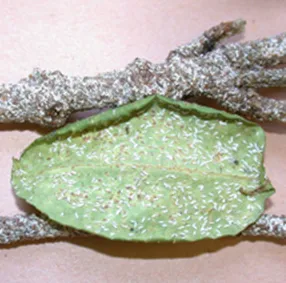
 Euonymus scales are a common pest that can wreak havoc on your beloved plants. These tiny insects belong to the family Diaspididae and feed on the sap of Euonymus plants. If left untreated, they can weaken and even kill the plant. In this blog post, we will explore what Euonymus scales are, their life cycle, and how to get rid of them.
1. What are Euonymus scales?
Euonymus scales, also known as Euonymus scale insects, get their name from their preferred host plant, Euonymus. These insect pests have a unique appearance that resembles tiny, oval-shaped brown or white bumps on the leaves, stems, and branches of the plant. They can vary in size from 1-4mm, and the adult females are typically larger than males.
2. Life cycle of Euonymus scales
Euonymus scales go through a simple life cycle that consists of four stages: eggs, nymphs, pupae, and adults. Adult female scales lay eggs under their hard protective shells, which hatch into crawlers (nymphs). These nymphs move around looking for a suitable feeding site. Once they find a spot, they settle down and insert their mouthparts into the plant to obtain sap and nutrients. As they feed, they secrete a protective wax covering over their bodies, forming the characteristic shell-like bumps.
3. Damage caused by Euonymus scales
The presence of Euonymus scales can result in various issues for your plants. Firstly, their feeding behavior causes a weakening of the plant by draining its sap. This can lead to stunted growth and damage to leaves and stems. Secondly, the waxy shells produced by the scales can make the plant's appearance unsightly. The white or brown bumps can cover large portions of the plant, creating an unattractive sight in your garden.
4. Controlling and eliminating Euonymus scales
If you notice Euonymus scales infesting your plants, it's important to act promptly to prevent further damage. Here are some methods you can use to control and eliminate these pests:
- Mechanical removal: For smaller infestations, manually removing the scales with a soft brush or cloth can be effective.
- Insecticidal soaps or oils: Applying insecticidal soap or horticultural oil to the affected areas can suffocate and kill the scales. Be sure to follow the instructions on the product and avoid spraying in direct sunlight or on stressed plants.
- Systemic insecticides: If the infestation is severe, you may need to use systemic insecticides. These chemicals are absorbed by the plant and kill the scales when they feed on it. However, caution should be exercised when using systemic insecticides, and it is recommended to consult a professional if necessary.
- Encourage natural predators: Introducing natural predators such as ladybugs or lacewings to your garden can help control Euonymus scales. These beneficial insects feed on scales and other pests, reducing their numbers naturally.
Euonymus scales are a common pest that can wreak havoc on your beloved plants. These tiny insects belong to the family Diaspididae and feed on the sap of Euonymus plants. If left untreated, they can weaken and even kill the plant. In this blog post, we will explore what Euonymus scales are, their life cycle, and how to get rid of them.
1. What are Euonymus scales?
Euonymus scales, also known as Euonymus scale insects, get their name from their preferred host plant, Euonymus. These insect pests have a unique appearance that resembles tiny, oval-shaped brown or white bumps on the leaves, stems, and branches of the plant. They can vary in size from 1-4mm, and the adult females are typically larger than males.
2. Life cycle of Euonymus scales
Euonymus scales go through a simple life cycle that consists of four stages: eggs, nymphs, pupae, and adults. Adult female scales lay eggs under their hard protective shells, which hatch into crawlers (nymphs). These nymphs move around looking for a suitable feeding site. Once they find a spot, they settle down and insert their mouthparts into the plant to obtain sap and nutrients. As they feed, they secrete a protective wax covering over their bodies, forming the characteristic shell-like bumps.
3. Damage caused by Euonymus scales
The presence of Euonymus scales can result in various issues for your plants. Firstly, their feeding behavior causes a weakening of the plant by draining its sap. This can lead to stunted growth and damage to leaves and stems. Secondly, the waxy shells produced by the scales can make the plant's appearance unsightly. The white or brown bumps can cover large portions of the plant, creating an unattractive sight in your garden.
4. Controlling and eliminating Euonymus scales
If you notice Euonymus scales infesting your plants, it's important to act promptly to prevent further damage. Here are some methods you can use to control and eliminate these pests:
- Mechanical removal: For smaller infestations, manually removing the scales with a soft brush or cloth can be effective.
- Insecticidal soaps or oils: Applying insecticidal soap or horticultural oil to the affected areas can suffocate and kill the scales. Be sure to follow the instructions on the product and avoid spraying in direct sunlight or on stressed plants.
- Systemic insecticides: If the infestation is severe, you may need to use systemic insecticides. These chemicals are absorbed by the plant and kill the scales when they feed on it. However, caution should be exercised when using systemic insecticides, and it is recommended to consult a professional if necessary.
- Encourage natural predators: Introducing natural predators such as ladybugs or lacewings to your garden can help control Euonymus scales. These beneficial insects feed on scales and other pests, reducing their numbers naturally.
In conclusion, Euonymus scales can be a real nuisance for gardeners and plant enthusiasts. With their ability to weaken and damage plants, it's crucial to act as soon as you notice an infestation. By understanding their life cycle and using appropriate control methods, you can effectively eliminate Euonymus scales and keep your plants healthy and thriving. Remember, a little vigilance goes a long way towards maintaining a beautiful and pest-free garden.
Understanding Cluster Flies

Nature's Unwanted Houseguests
Imagine enjoying a peaceful afternoon at home, when suddenly, you notice multiple flies buzzing around your windows and resting on your walls. These unwelcome visitors are none other than cluster flies. While these insects may resemble common house flies, they have distinct characteristics and behaviors that set them apart. In this blog, we will explore the fascinating world of cluster flies, from their life cycle to effective ways of managing and preventing their infestations.
1. Identification and Habits:
Cluster flies, scientifically known as Pollenia spp., are a unique species of flies that prefer to live outdoors but often seek shelter inside buildings as the cooler temperatures of autumn arrive. They vary in size from 6 to 10 millimeters and have a dull gray or blackish color. One distinguishing feature of cluster flies is the rough, golden hairs on their thorax.
2. Life Cycle and Behavior:
Cluster flies undergo a complete metamorphosis, consisting of four stages: egg, larva, pupa, and adult. The process starts as adult female flies lay their eggs in the soil, usually near earthworm burrows. After a few days, the eggs hatch into larvae, which feed on earthworms before pupating into adult flies. The entire life cycle takes approximately three to four weeks.
Cluster flies typically seek warm spaces during the colder months, such as attics, wall voids, and secluded corners of buildings. They aggregate in large numbers, hence the name "cluster flies." When temperatures rise in spring, these flies emerge and leave the buildings in search of their natural habitats.
3. Distinctions from House Flies:
Cluster flies are often confused with house flies due to their similar appearance. However, several key differences help distinguish them. Unlike house flies, cluster flies have a sluggish flight pattern and prefer to rest indoors on walls and window sills rather than actively seeking out food or garbage. Unlike house flies as well, cluster flies do not pose a significant health risk, as they do not carry disease-causing organisms.
4. Prevention and Control:
Preventing cluster fly infestations involves both exterior and interior control measures. Here are a few effective strategies:
- Seal entry points: Use caulk and weather-stripping to seal cracks and openings in walls, windows, and doors to prevent flies from entering your home.
- Install screens: Properly fitted screens on doors and windows will keep cluster flies, as well as other insects, from entering your living spaces.
- Maintain cleanliness: Regularly clean your property, eliminating potential food sources for flies and reducing their attraction to your home.
- Professional assistance: If infestations persist, consider seeking help from pest control professionals who can assess the situation and provide effective treatments.
Conclusion:
While cluster flies may be a frustrating presence in homes during the colder months, understanding their behavior and employing preventive measures can help you keep their unwelcome visits at a minimum. By sealing off entry points and maintaining cleanliness inside and outside your home, you can significantly reduce the likelihood of cluster fly infestations. Remember that these insects are harmless, so patience and a moderate approach to management can go a long way.
the Brown marmorated

In conclusion, the Brown Marmorated Stink Bug poses a significant threat to both agricultural practices and homeowners. Its ability to rapidly reproduce, spread, and damage crops makes it a challenging pest to control. However, with further research and education, we can develop effective strategies to mitigate its impact and protect our crops and homes from this invasive insect.
Exploring the Pesky World of Fleas

Understanding, Preventing, and Getting Rid of Them
Fleas, the tiny blood-sucking parasites, are among the most common pests known to humans and animals alike. Found all around the globe, these pesky creatures can cause discomfort, irritation, and even potential health problems. In this blog, we will delve into the world of fleas, understanding their biology, preventive measures to keep them at bay, and effective ways to get rid of them should an infestation occur.
1. The Biology of Fleas:
Fleas belong to the order Siphonaptera and are external parasites that primarily rely on the blood of mammals and birds to survive. They are wingless insects with a laterally compressed body, enabling them to move swiftly through the fur or feathers of their hosts. Fleas are known for their exceptional jumping ability, thanks to their long hind legs, which allows them to leap several times their body length.
2. Common Sources of Infestation:
Pets, particularly dogs and cats, are often the carriers of fleas into our homes. These resilient pests typically transfer onto our furry friends when they come into contact with other infested animals or infested environments like grassy areas or parks. Furthermore, fleas can also hitch a ride on humans' clothing or shoes, allowing them to easily infiltrate our living spaces.
3. Recognizing Flea Bites and Health Concerns:
Flea bites can cause intense itching, redness, and swelling on both animals and humans. These bites often appear as small red bumps with a central puncture mark. Scratching the affected area may lead to skin infections or allergic reactions. Moreover, fleas transmit diseases such as Bartonella (causing cat scratch disease), tapeworm infections, and in severe cases, anemia or flea-bite dermatitis.
4. Prevention is Key:
Preventing fleas from invading your home and affecting your pet's health is crucial. Here are some preventive measures to consider:
4.1 Regular grooming and cleaning: Brushing your pets' fur regularly not only helps keep it clean but also enables you to inspect for fleas or flea dirt (tiny black specks that appear like pepper). Vacuuming your home frequently, especially in areas where your pet spends most of their time, can help eliminate flea eggs, larvae, and pupae.
4.2 Proper landscaping: Keeping your yard tidy and well-maintained reduces potential flea habitats. Mow grass regularly, remove debris or vegetation, and discourage the presence of rodents and stray animals that may carry fleas.
4.3 Pet hygiene: Regularly bathing and using flea preventive products recommended by your veterinarian are essential in keeping fleas at bay. Remember, prevention is always better than dealing with a full-blown infestation.
5. Effective Flea Control:
If your pet and home become infested with fleas, immediate action is necessary to prevent their further persistence. Some strategies to consider include:
5.1 Treating your pet: Consult with a veterinarian to select the most appropriate flea treatment for your pet. Options include topical treatments, oral medications, and flea collars. It is crucial to treat your pet and any other pets in your household simultaneously to prevent re-infestation.
5.2 Environmental control: Wash all bedding, blankets, and items where your pet rests on a hot cycle in your washing machine. Steam cleaning carpets and upholstery can effectively eliminate fleas at all stages of their lifecycle. Additionally, using specialized flea sprays or foggers in targeted areas can help eradicate fleas in your home.
5.3 Professional assistance: In heavily infested cases, seeking help from professional pest control services may be necessary. Experienced exterminators can perform a comprehensive treatment plan tailored to your specific situation.
Conclusion:
Dealing with fleas can be a persistent and frustrating challenge. Understanding their biology, preventing infestations, and taking swift action if infestation occurs will help keep these troublesome parasites at bay. Remember to maintain good pet hygiene, regularly inspect your pets for fleas, and promptly treat any signs of infestation to ensure the well-being of your beloved furry friends and your household.
Termite Treatments

Protecting Your Home from Silent Invaders
Your home is your sanctuary, your safe haven where you create cherished memories and find comfort after a long day. However, what if I told you that there are invisible invaders lurking beneath the surface, gradually eating away at the very foundation of your house? Yes, I'm talking about termites - these tiny creatures can cause extensive damage to your property if left unchecked. In this blog, we'll explore the importance of termite treatments and how they can safeguard your home.
Termites: The Silent Destroyers
Termites, often referred to as the silent destroyers, are social insects that feast on cellulose materials found in wood and plants. They thrive in moist and warm climates, making many parts of the world vulnerable to their infestations. Despite their small size, termites can cause immense structural damage to your home, leading to substantial repair costs.
Recognizing Termite Infestations
Detecting termite infestations can be challenging as these insects are masters in staying hidden. However, being aware of some common signs can help you identify the presence of these silent invaders:
1. Hollow-sounding wood: If you tap on wooden structures, such as walls or floors, and hear a hollow sound, it may indicate termite damage.
2. Discarded wings: Termites, particularly during mating season, shed their wings. You might find discarded wings near windows or light sources.
3. Mud tubes: Termites build mud tubes along surfaces, such as walls or the foundation of your home, to protect themselves from predators and maintain a high humidity environment.
4. Sagging floors or ceilings: Termite infestations can weaken the structural integrity of your home, leading to sagging floors, walls, or ceilings.
Termite Treatments: Safeguarding Your Home
While termites are a formidable adversary, there are various termite treatment options available to protect your home and prevent any potential damage. Here are some popular termite treatment methods:
1. Liquid Termiticides: Applying liquid termiticides to the soil surrounding your house creates a chemical barrier, effectively repelling termites and preventing their entry.
2. Bait Stations: Termite bait stations consist of underground traps that contain a substance poisonous to termites. These bait stations attract termites and eliminate entire colonies.
3. Wood Treatments: Infusing wood with chemicals or varnishes that are toxic to termites helps protect against future infestations. This method is particularly effective during the construction or renovation phase of a property.
4. Fumigation: When a severe infestation is detected, fumigation may be necessary. This process involves enclosing the entire structure and filling it with a gas that eliminates termites.
Professional Assistance: The Key to Success
While some homeowners may attempt DIY termite treatments, it's crucial to seek professional assistance to ensure effective and long-lasting results. Certified pest control professionals are trained to accurately identify the extent of the infestation, determine the appropriate treatment, and provide ongoing monitoring and preventive measures.
The Importance of Regular Inspections
Prevention is always better than cure. By scheduling regular termite inspections, you can identify any signs of infestation early on and take immediate action. Early detection plays a significant role in minimizing potential damage and reducing treatment costs.
Final Words
Protecting your home from termite infestations is a responsibility every homeowner should take seriously. By familiarizing yourself with the signs of termites, investing in regular inspections, and seeking professional termite treatments, you can safeguard your property and ensure the longevity of your cherished home for years to come. Remember, it's better to tackle termites proactively rather than dealing with the consequences of extensive damage down the line.
Unraveling the Enigma

Understanding and Appreciating Spiders
Spiders, fascinating and intricate creatures, have been the subject of myths, fears, and even phobias for centuries. Their unique ability to weave complex webs and their predatory nature have both intrigued and frightened humans throughout history. In this blog post, we will delve into the mesmerizing world of spiders, exploring their diverse species, amazing adaptations, ecological importance, and the misconceptions surrounding these remarkable arachnids.
1. Diversity of Spider Species:
There are roughly 48,000 known spider species worldwide. From the tiny jumping spiders to the impressive tarantulas, spiders exhibit an astonishing array of shapes, sizes, and colors. Each species has evolved specific characteristics to thrive in their varied habitats, showcasing nature's adaptability at its finest.
2. Remarkable Adaptations:
Spiders possess unique anatomical and behavioral adaptations that ensure their survival and hunting prowess. For instance, web-building spiders, exemplified by the orb-weavers, produce silk threads to construct intricate webs, perfectly engineered to capture prey. Additionally, tarantulas use their specialized urticating hairs to deter potential threats, while certain jumping spiders possess excellent vision to locate and pounce on their prey with remarkable accuracy.
3. Ecological Importance:
Spiders play a crucial role in maintaining ecological balance. As skilled hunters, they help control insect populations, preventing imbalances in ecosystems. By consuming numerous pests and insects, spiders reduce the need for chemical insecticides, benefiting both the environment and agriculture. They also serve as a vital food source for other organisms, contributing to the intricate web of life.
4. Misconceptions and Fear:
Despite their significant ecological contributions, spiders often evoke fear and phobias in humans. Arachnophobia, the fear of spiders, is a common and irrational anxiety that affects millions of people worldwide. This fear may stem from cultural influences, media portrayal, or a lack of knowledge about these creatures. Dispelling misconceptions about spiders is crucial in fostering understanding and appreciation for their ecological importance.
5. Amazing Spider Behaviors:
Spiders exhibit remarkable behaviors that continue to amaze scientists and nature enthusiasts alike. From courtship rituals and intricate mating dances to maternal care and elaborate construction of egg sacs, their behaviors provide a glimpse into the complexities of their lives. For instance, the peacock spider's dazzling courtship displays and the ogre-faced spider's unique hunting technique of throwing silk threads at prey are fascinating examples of their behaviors.
Conclusion:
By delving into the world of spiders, we can unravel the mysterious and captivating nature of these incredible creatures. Beyond the webbing and predatory reputation, spiders contribute to the diversity of ecosystems, acting as natural pest controllers while showcasing remarkable adaptations and behaviors. Embracing knowledge about spiders can help us appreciate and respect these often-misunderstood arachnids, fostering a deeper understanding of the delicate balance that exists in the natural world.
Understanding Fleas

Tiny Pests with Big Problems
Fleas, those pesky little insects, have been a nuisance for humans and their pets for centuries. While they may seem insignificant in size, fleas can cause significant issues for both humans and animals. In this blog, we will delve into the world of fleas, exploring their characteristics, lifecycle, common problems associated with infestation, and effective prevention and treatment methods.
The Basics:
Fleas are small, wingless parasites that feed on the blood of mammals and birds. These tiny insects measure only about 1-3 millimeters in length, making them difficult to spot until the infestation becomes severe. Their flattened bodies, leg structure, and strong hind legs enable them to move quickly and easily navigate through the fur or feathers of their hosts.
Lifecycle:
Understanding the lifecycle of fleas is essential in effectively combating an infestation. Fleas go through four stages: egg, larva, pupa, and adult. Females lay hundreds of eggs on their host or in the surrounding environment, such as carpets, bedding, or upholstery. Within a few days, these eggs hatch into larvae, which feed on organic debris, including flea feces.
Once larvae mature, they construct a cocoon and enter the pupa stage. In this dormant state, fleas are protected from potential threats, making it harder to eradicate them. Adult fleas emerge when stimulated by warm temperatures, vibrations, increased carbon dioxide, or physical pressure, often triggered by the presence of a suitable host nearby.
Problems Associated with Flea Infestation:
1. Itchy and irritated skin: Flea bites can cause intense itching, redness, and inflammation on both humans and animals. For pets, excessive scratching can lead to hair loss, sores, and bacterial infections.
2. Allergic reactions: Some individuals can develop an allergic reaction to flea saliva, leading to a more severe condition known as flea allergy dermatitis (FAD). Pets with FAD suffer from intense itching, swollen skin, scabs, and even severe hair loss.
3. Transmission of diseases: Fleas can transmit diseases between hosts, including tapeworms and bacterial infections such as murine typhus and cat scratch disease.
Prevention and Treatment:
1. Regular pet grooming and hygiene: Regularly grooming and bathing your pets not only helps keep them clean and healthy but also provides an opportunity to catch any fleas early on.
2. Vacuuming and cleaning: Regular vacuuming of carpets, furniture, and bedding helps to remove flea eggs, larvae, and pupae from the environment, reducing the chances of reinfestation.
3. Environmental treatments: If you have a severe infestation, consider using flea control products for your home, such as powders, sprays, or foggers. Ensure you follow the instructions carefully and keep pets and children away during the treatment.
4. Pet flea treatments: Consult with your veterinarian for appropriate flea prevention and treatment options for your pets. These can include topical medications, flea collars, or oral tablets that kill both adult fleas and prevent their reproduction.
Conclusion:
Dealing with fleas can be a frustrating and ongoing battle, but with the right knowledge and preventive measures, you can control their presence effectively. Remember to maintain good hygiene for both your pets and your living environment, and seek professional advice when necessary. By being proactive and staying vigilant, you can ensure that the tiny problem of fleas doesn't become a major headache.
The Spotted Lanternfly Menace

Understanding the Dangers and Taking Action
Nature has its unique ways of maintaining a balance, but occasionally, an invasive species disrupts this delicate equilibrium. One such invasive species wreaking havoc is the Spotted Lanternfly (SLF). Originating from Asia, this winged pest has established itself as a formidable threat to agriculture, forests, and ecosystems in the United States. In this blog, we'll delve into the dangers the Spotted Lanternfly poses and explore the importance of proactive measures in dealing with this invasive species.
1. Agricultural Devastation:
The Spotted Lanternfly poses a significant threat to various agricultural industries. Feeding on over 70 different plant species, including economically important crops like grapes, apples, hops, and maple trees, they suck the sap from plants, leading to significantly reduced yield and even plant death. The economic losses inflicted by the Spotted Lanternfly are estimated in the millions of dollars annually.
2. Ecological Imbalance:
In addition to its impact on agriculture, the Spotted Lanternfly disrupts ecosystems. Native species that evolved without any natural predators for this particular invasive insect are struggling to cope. This imbalance leads to a decline in biodiversity, reducing the overall health and resilience of ecosystems. Furthermore, the dying plants affected by SLF contribute to soil erosion, compromising the integrity of natural habitats.
3. Tree Mortality:
One of the most alarming effects of the Spotted Lanternfly invasion is the devastation it causes in forests. Although primarily attracted to economically valuable plant species, SLF has shown a particular affinity for a tree native to the United States, the Tree-of-Heaven. These invasive pests weaken and kill trees, particularly young ones, affecting the forest regeneration process. This tree mortality increases the risk of wildfires, negatively impacting both human and animal habitats.
4. Public Health Concerns:
Apart from ecological and economic implications, the Spotted Lanternfly infestation has direct consequences on human health. SLF excrements, known as "honeydew," promote the growth of black, sooty mold on plants, structures, and outdoor items. Mold spores can cause respiratory issues, especially among individuals with allergies or respiratory conditions. Moreover, falling insects and sooty mold create unsightly conditions, reducing the quality of life in affected areas.
Taking Action:
Given the magnitude of the threat posed by the Spotted Lanternfly, it is crucial for individuals, communities, and governments to take proactive measures to mitigate the impact:
1. Spread Awareness: Educate yourself and others about the Spotted Lanternfly's appearance, lifecycle, and damaging effects. Awareness campaigns can help curb the spread of this pest and ensure early detection.
2. Inspect, Report, and Destroy: Regularly check outdoor items, vehicles, and shipments for egg masses or adult Lanternflies. Report any sightings to local authorities and follow their guidelines for safely disposing of or killing the insects.
3. Limit Movement: Avoid moving potentially infested materials, such as firewood or landscape materials, from affected areas to uninfested regions. This simple step can help prevent widespread infestations.
4. Biological Control: Encourage the use of natural predators, such as parasitic wasps, to help control the Spotted Lanternfly population. By introducing these predators to affected areas, we can leverage nature's own mechanisms for pest control.
Conclusion:
The dangers posed by the Spotted Lanternfly cannot be overlooked. This invasive insect threatens agriculture, ecosystems, and public health. Raising awareness, reporting sightings, and taking preventive measures are vital for containing its spread. By working together, we can protect our environment, preserve biodiversity, and mitigate the economic and ecological damage caused by the Spotted Lanternfly menace.
Fascinating Ants

Nature's Tiny Powerhouses
Introduction:
When it comes to small and incredible creatures, ants are unquestionably at the top of the list. These tiny insects have amazed and intrigued both scientists and curious observers for centuries. From their intricate social structures to their highly efficient foraging techniques, ants are a testament to the wonders of the natural world. In this blog, we will explore the fascinating world of ants and gain a deeper understanding of their remarkable abilities.
Social Structure:
Ants are eusocial insects, meaning they live in highly organized and cooperative societies. Their colonies are composed of various castes, including a queen, workers, and soldiers. The queen's primary role is reproduction, while the workers take care of the nest, gather food, and tend to the needs of the colony. Soldiers, on the other hand, defend the nest against potential threats. The division of labor within the ant society showcases remarkable teamwork and cooperation.
Communication:
Despite lacking a spoken language, ants communicate effectively through chemical signals called pheromones. These chemical messages allow the insects to convey information about food sources, danger, and even to recognize each other. By following pheromone trails, ants can guide their fellow colony members towards resources and communicate critical messages in a seemingly effortless manner.
Foraging Techniques:
Ants are renowned for their exceptional foraging abilities. They are capable of organizing efficient and complex systems to locate and transport food back to their colony. Some species undertake long-distance foraging journeys, covering significant distances while leaving scent trails for their fellow ants to follow. This remarkable navigation and resource-recruitment behavior is not only fascinating but also crucial to the survival of the entire colony.
Ecological Impact:
Ants play a vital role in maintaining ecosystems around the world. As decomposers, they help break down organic matter, aiding in the nutrient cycle. Additionally, ants can disperse seeds, contributing to plant regeneration and biodiversity. By aerating soil, ants also improve its fertility, benefiting nearby vegetation. Amazingly, ants are considered ecosystem engineers, indicating their substantial impact on various habitats.
Incredible Adaptability:
Ants have demonstrated astonishing adaptability to different environments and challenges. They can be found on every continent except Antarctica and inhabit diverse habitats, including forests, deserts, and cities. Notably, some species of ants have developed mutualistic relationships with other species, such as aphids or fungus. These unique alliances benefit both parties involved, highlighting the resourcefulness and adaptability of ants.
Agriculture and Territoriality:
Some species of ants have astonishing farming practices. Leaf-cutter ants, for example, cultivate fungus by cutting leaves and using them as a substrate. They carefully tend to the fungus, fostering a symbiotic relationship. Furthermore, numerous ant species are exceptionally territorial, fiercely defending their nests against intruders. The cooperation and tenacity that arise from these behaviors are truly awe-inspiring.
Conclusion:
Ants might be small, but their impact on the natural world is mighty. Their remarkable social structures, communication systems, and foraging techniques are a testament to their incredible abilities and adaptability. By understanding the world of ants, we gain a deeper appreciation for the intricacies of nature and the unique role they play in maintaining ecosystems globally. Let's remember to appreciate these tiny powerhouses next time we encounter them, marveling at their sheer tenacity and remarkable behavior.