
Ant Exterminator Near Me

The Homeowner’s Guide to Finding the Best Ant Exterminator Near Me
It starts with a single scout. You spot a lone ant wandering across your kitchen counter. You squash it, wipe the surface, and think the problem is solved. But the next morning, that solitary scout has been replaced by a marching line of hundreds, trailing from a crack in the window sill to your sugar bowl. Ant invasions are among the most common and frustrating household pest issues. While they might seem like a minor nuisance compared to termites or rodents, ants can contaminate food, damage property (in the case of carpenter ants), and generally make your home feel unclean. When an infestation takes hold, the immediate reaction is often panic, followed by a frantic search for "ant exterminator near me" Finding a reliable professional isn't just about picking the first name on a search results page. It requires understanding why the infestation happened, knowing what separates a quick fix from a long-term solution, and selecting a partner who values safety as much as efficacy. This guide will walk you through everything you need to know to reclaim your home from these persistent invaders.Why DIY Ant Control Often Fails
The shelves of your local hardware store are stocked with sprays, baits, and traps that promise to eliminate ants instantly. It is tempting to grab a can of bug spray and go to war. However, most homeowners find that these DIY methods are temporary at best.- You're only seeing the tip of the iceberg: The ants you see are just a small fraction of the colony. Killing these worker ants won't stop the queen, who remains hidden in the nest, from laying more eggs and replenishing the population.
- Using the wrong bait: Different ant species have different dietary needs. If you use a sugar-based bait for ants that prefer protein, they will simply ignore it. Additionally, if the bait works too quickly, the worker ant won't have time to carry the poison back to the queen.
- Making the problem worse: Certain species, like Pharaoh ants, respond to repellent sprays by splitting into multiple smaller colonies—a process known as "budding." This can spread the infestation throughout your home, turning a minor issue into a major one.
Ant Exterminator[/caption]
Factors to Consider When Choosing an Ant Exterminator
When you decide it’s time to call in the professionals, you want to ensure you are hiring a company that can solve the problem permanently. Here are the key factors to evaluate during your search.Licensing and Certification
This is the non-negotiable baseline. Pest control involves the use of chemicals that, if mishandled, can be dangerous to humans, pets, and the environment. Ensure the company holds a current license to operate in your state. Additionally, look for technicians who are certified. This indicates they have undergone specific training on insect biology, safety protocols, and application techniques.Experience with Specific Species
"Ants" is a broad category. Managing Odorous House Ants requires a different strategy than managing Carpenter Ants or Fire Ants. Ask potential exterminators about their experience with the specific type of ant you are seeing. A qualified professional should be able to identify the species quickly, as this identification dictates the treatment plan.Reputation and Reviews
Online reviews provide a wealth of information about a company's reliability. Look for patterns in the feedback. Do customers mention that the technicians were on time? Did the ants come back after a week? How did the company handle follow-up requests? While a negative review here or there is normal, a pattern of poor communication or ineffective treatments is a red flag.Guarantees and Follow-Up Policies
Ants are resilient. Even the best treatment might require a follow-up visit, especially for large, established colonies. Reputable companies usually offer a guarantee—often a 30-day or 60-day window during which they will return and re-treat for free if the pests persist. Be wary of companies that offer no guarantee or charge full price for necessary follow-ups.What to Expect During an Ant Extermination Service
Knowing what happens during a professional visit can help you prepare and set realistic expectations.The Inspection
A high-quality service always begins with an inspection. The technician shouldn't just walk in and start spraying. They need to locate the entry points, identify the species, and try to find the nest. They will look in common problem areas like under sinks, around windows, in basements, and around the exterior foundation of your home.The Treatment Plan
Once the inspection is complete, the ant exterminator will explain the situation. They should outline:- The Species: What kind of ant you have.
- The Strategy: Whether they will use baits, non-repellent sprays, dusts, or a combination.
- The Locations: Where they will apply the treatments (interior vs. exterior).
- Safety Precautions: Any specific instructions for kids or pets (e.g., staying out of the room for two hours).
The Application
The actual treatment usually takes less than an hour, depending on the size of the home and the severity of the infestation. Modern pest control focuses on "Integrated Pest Management" (IPM), which means using the least toxic methods necessary and targeting the source rather than just spraying baseboards indiscriminately.Questions to Ask Potential Exterminators
Before you sign a contract or allow someone into your home, treat the initial phone call like an interview. Here are five essential questions to ask: "How do you identify the ant species before treating?"- Why ask: If they say it doesn't matter, hang up. Identification is crucial for success.
- Why ask: You need to know the toxicity levels and the re-entry time (how long you must wait before entering the treated area).
- Why ask: You want to ensure they are targeting the colony, not just the foragers.
- Why ask: This protects your wallet if the first treatment doesn't fully resolve the issue.
- Why ask: A good exterminator acts as a partner, helping you seal entry points and remove attractants to prevent future issues.
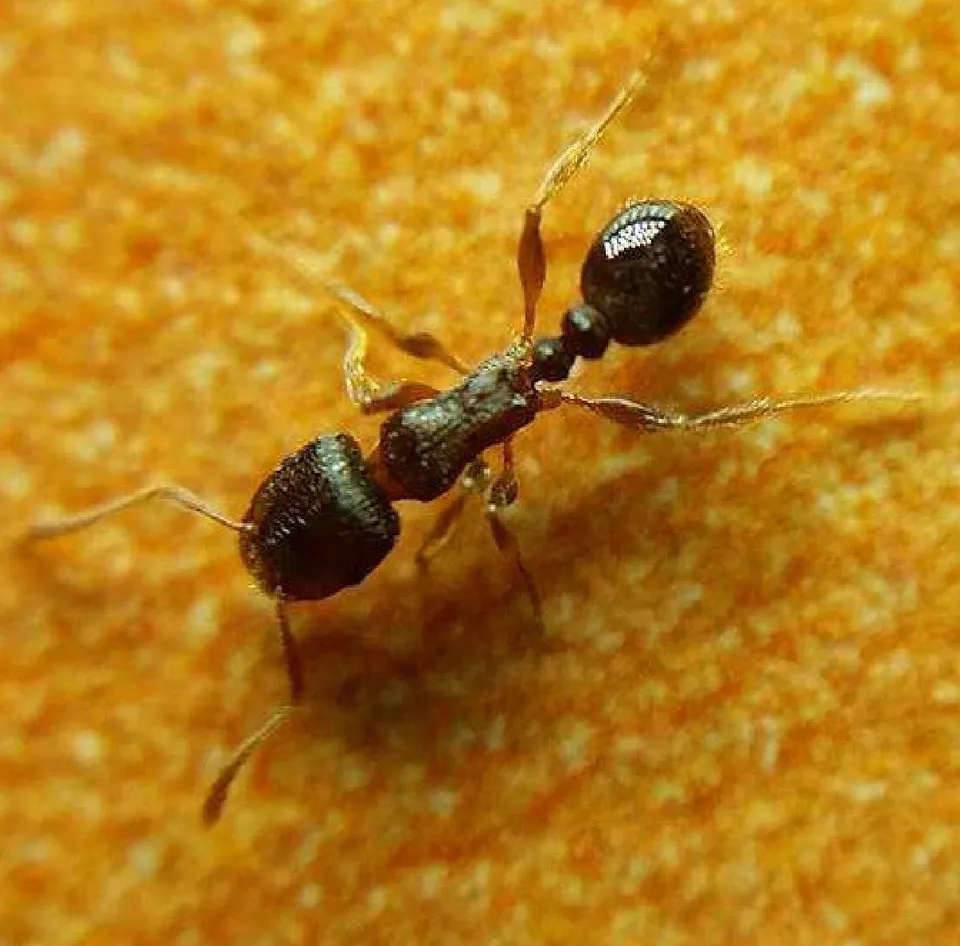 Ant Extermination Service[/caption]
The Green Advantage: Eco-Friendly Ant Control
As homeowners become more environmentally conscious, the demand for "green" pest control has skyrocketed. Many people worry about the impact of harsh chemicals on their indoor air quality, their garden's ecosystem, and the health of their vulnerable family members. This is where companies like The Green Advantage stand out. Eco-friendly pest control doesn't mean "ineffective." In fact, it often means "smarter."Reduced Toxicity
Green pest control utilizes products derived from natural sources, such as essential oils (peppermint, thyme, rosemary) or borates, which are less harmful to mammals but lethal to insects. These products break down faster in the environment, leaving less residual chemical load in your soil or groundwater.Targeted Application
Standard pest control sometimes relies on the "spray and pray" method—covering a wide area with potent chemicals. Green approaches, like those used by The Green Advantage, focus on precision. By understanding the biology of the ant, technicians can place smaller amounts of product exactly where the ants will interact with it, minimizing exposure to non-target organisms (like ladybugs, bees, or your dog).Focus on Exclusion
A major pillar of eco-friendly control is exclusion—physically blocking pests from entering. This involves sealing cracks, fixing screens, and addressing moisture issues. It is a chemical-free way to reduce infestations and is a core component of sustainable pest management. Choosing a company that prioritizes these methods ensures that you are solving your ant problem without creating new environmental or health problems for your household.Preparing Your Home for Ant Extermination
To get the best results from your professional service, a little preparation goes a long way. This helps the technician work efficiently and ensures the treatment adheres properly to surfaces.- Clean the Floors: Vacuum and mop all hard floors. This removes crumb trails and pheromone trails that ants use to navigate. However, do not use strong detergents or bleach immediately after the treatment, as you might wash away the residual product.
- Clear Access Points: If the ants are coming in under the kitchen sink, remove the cleaning supplies so the technician can easily inspect the pipes. Pull furniture away from walls where you have seen ant activity.
- Put Food Away: Store all food in airtight containers or the refrigerator. This includes pet food. You want the ants to be attracted to the professional bait, not your leftover pizza or the dog's kibble.
- Cover Aquariums: If you have fish or reptiles, cover their tanks and turn off the air pumps during treatment, as they can be highly sensitive to airborne particles.
Post-Extermination Tips to Prevent Re-Infestation
Once the exterminator leaves, the battle isn't entirely over. You have a role to play in keeping your home ant-free.Be Patient
This is the hardest part. If the ant exterminator used bait, you might actually see more ants for a few days. This is normal. The ants are flocking to the bait to carry it back to the colony. Do not kill these ants! Let them do their job. The population should drop off significantly within 3 to 7 days.Eliminate Moisture
Ants need water just as much as they need food. Carpenter ants, in particular, are drawn to damp wood. Fix leaky faucets, ensure your gutters are draining away from the foundation, and run a dehumidifier in damp basements.Seal Entry Points
Once the colony is dead, seal the cracks they used to get in. Use silicone caulk around windows, doors, and baseboards. Install door sweeps on exterior doors. This physical barrier makes it much harder for the next colony to scout your home.Maintain a Clean Perimeter
Trim back trees and shrubs so they don't touch your house. Ants use branches as bridges to bypass treated soil and enter through the roof or upper windows. Keep mulch and firewood stacks at least a few feet away from the foundation. [caption id="attachment_243" align="aligncenter" width="800"]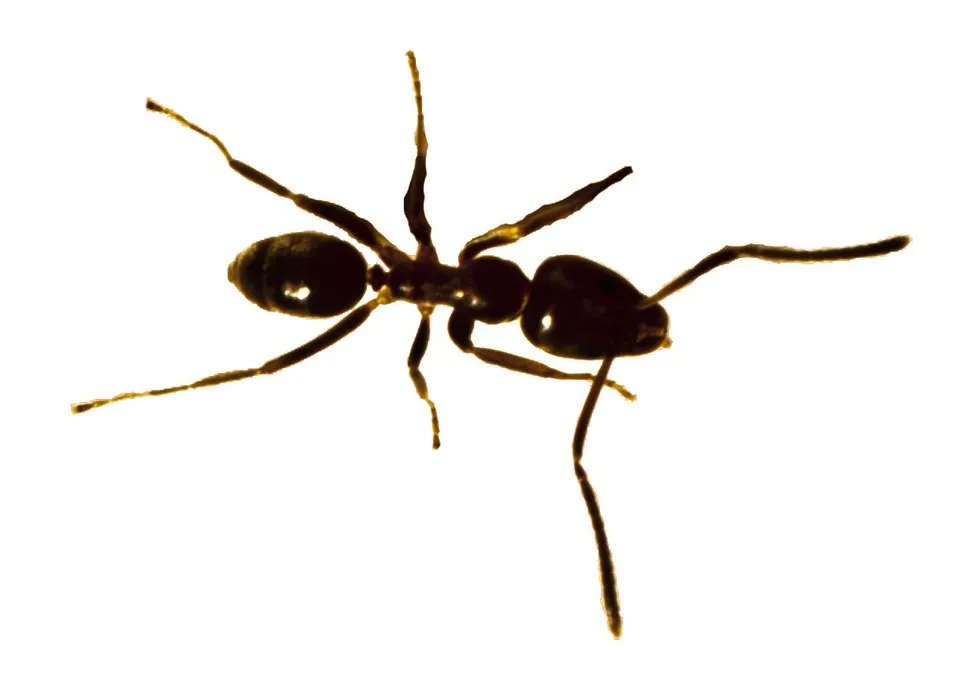 Ant Extermination[/caption]
A Pest-Free Home is Within Reach
Ants are persistent, organized, and numerous. Dealing with an infestation can feel overwhelming, especially when DIY methods fail to stop the march of workers across your countertops. However, you don't have to live with unwanted guests. By understanding the limitations of store-bought products and knowing what to look for in a professional service, you can make an informed decision. Whether you choose a traditional route or opt for an eco-conscious provider like The Green Advantage, the key is to act quickly and strategically. Don't let the ants claim your kitchen. With the right help, you can reclaim your space and enjoy the peace of mind that comes with a secure, pest-free home. The Green Advantage https://maps.app.goo.gl/wzz1BewPEdKx96pQ6 14451 Reeder Rd, Crown Point, IN 46307, United States (219) 779-9815 https://thegreenadvantage.biz/Ant Prevention for Crown Point Homeowners: A Practical Guide

When you're trying to prevent ants from entering your house, the most effective strategy is also the most direct: seal every possible entry point. No matter how tiny a crack might seem, it’s a wide-open door for an ant. A thorough inspection of your Crown Point, IN, property and a tube of quality silicone caulk are your best tools for creating a physical barrier that stops them in their tracks. For homeowners dealing with persistent pests, this is the first step toward lasting peace of mind.
Fortifying Your Home Against Ant Invasions
Your home's most powerful defense against ants is a solid, unbroken exterior. To an ant, a hairline crack in the foundation or a small gap in a window seal isn't a flaw—it's an invitation. It's a superhighway leading them straight to the food, water, and shelter inside your Crown Point home.
A thorough inspection involves methodically checking your home inside and out to find those hidden entry points that pests love. By sealing your home, you're not just treating a symptom; you're solving the problem at its source, making your property a much harder target for would-be invaders. This is a core principle of professional residential pest control.
Pinpointing Common Ant Entry Points
To stop ants effectively, you have to know their favorite ways in. We advise homeowners in the Crown Point, IN, area to start outside and work their way around the perimeter before heading indoors. Pay extra attention wherever different building materials meet.
Here are the usual suspects:
- Foundation Gaps: Scan your foundation for any cracks in the concrete. The spots where utility pipes, wires, or cables enter the house are notorious weak points.
- Window and Door Frames: Caulk gets old. It shrinks, cracks, and pulls away from the frame over time, leaving perfect little gaps for ants to squeeze through.
- Siding and Weep Holes: Look for gaps between siding panels. Also, check your weep holes—those small gaps at the bottom of brick siding are meant for moisture drainage, but they need screens to keep pests out.
- Roofline and Vents: Don't forget to look up! Tree branches touching your roof are a bridge for ants. They can get in through attic vents, gaps around chimneys, or even damaged shingles.
This simple diagram illustrates the core process for securing your home's perimeter.
Think of it as a three-step mission: find the weak spots, choose your weapon, and seal the breach. It’s the foundation of any good pest prevention plan.
The Right Tools for a Permanent Seal
Once you've mapped out the entry points, using the right sealant is key to a long-term fix. For most jobs, a high-quality, weather-resistant silicone caulk is your best bet. It stays flexible and waterproof, which is crucial for handling Northwest Indiana's temperature swings without cracking.
For bigger gaps, expanding foam sealant can work well to fill the space, but here's a pro tip from your local exterminator: always cover it with something more durable afterward. Ants can and will chew right through that foam over time.
Professional pest control isn't just about spraying. Real prevention starts with a thorough inspection and sealing of your home's exterior. It’s truly the single most important investment you can make in long-term, eco-friendly pest management.
Believe it or not, 73% of pest professionals say sealing cracks is their top recommendation for preventing ants. With ants infesting a staggering 80% of single-family homes, a proactive approach is just common sense. Here in Indiana’s humid climate, where odorous house ants and carpenter ants are a constant issue, sealing entry points can cut invasions by up to 70-80%.
Managing Moisture and Your Home's Exterior
Moisture is a huge welcome mat for pests, especially for wood-destroying carpenter ants. A damp exterior not only attracts them but also causes wood to rot, creating even more ways for them to get inside.
Keeping your gutters clean is non-negotiable. When they're clogged, water spills over and soaks the fascia and soffit boards. This creates the perfect damp, soft wood that carpenter ants love to nest in.
It's also worth knowing a bit about how your roof and gutter system is designed to protect your home. For example, understanding what a gutter apron is and ensuring yours is working correctly can make a huge difference in preventing the kind of water damage that attracts pests. When you manage water flow and keep your home dry, you make it a much less attractive place for ants to call home. For any homeowner in Crown Point, this is a vital part of a successful ant control plan.
Removing the Welcome Mat for Ants
Sealing cracks on the outside of your home is a great first step, but the war against ants is often won or lost inside your kitchen. Ants are single-minded creatures, constantly on the hunt for food, water, and shelter for their colony. If your Crown Point home doesn't offer what they're looking for, they have no reason to stick around.
Think of it as rolling up the welcome mat. By cutting off their access to resources, you disrupt their invasion plan and make your home a much less attractive target. This goes beyond a quick wipe-down; it's about fundamentally changing how you manage the everyday things that draw them in.

Starve Them Out with Smart Sanitation
You'd be surprised what an ant scout considers a feast. A tiny drip of jam on a jar, a few crumbs under the toaster, or a greasy film on the stovetop is a five-star buffet for a colony. To prevent ants from getting inside, you have to be relentless with your cleaning routine.
This means wiping down your countertops and tables right after every meal. Get in the habit of sweeping or vacuuming the kitchen floor daily to get rid of stray crumbs and pet food. Don't let trash linger, and always rinse food containers before recycling. That sugary residue at the bottom of a soda can is a powerful magnet for ants.
Pest control professionals see this every day. A major industry survey revealed that 81% of pest pros see a direct link between persistent ant problems and poor sanitation. Keeping your home clean is one of the most effective ways to erase the scent trails ants follow, essentially making your kitchen invisible to them. You can read the full research on ant behavior and attractants to see just how powerful cleanliness can be.
Make Your Pantry an Impenetrable Fortress
Your pantry is either an all-you-can-eat smorgasbord for pests or a sealed-tight fortress—the choice is yours. Cardboard boxes and thin plastic bags from the grocery store offer zero defense. Ants will chew right through them to get to sugars, grains, and other goods.
Transferring pantry items into airtight containers is a game-changer.
- Dry Goods: Move flour, sugar, cereal, and pasta into glass or sturdy plastic containers with locking lids.
- Sticky Items: Always wipe down jars of honey, molasses, or syrup after using them. A small sticky residue is all it takes to attract a scout.
- Pet Food: Never store pet food in its original paper bag. Dump it into a large, sealed container instead.
This simple habit not only denies ants a food source but also keeps your food fresher. It's a small investment of time that pays off big in preventing an infestation. For a deeper dive, check out our guide on the top 5 ways to keep ants out of your kitchen.
Eliminate Hidden Water Sources
Food is a huge draw, but water is just as critical for an ant colony's survival. Your home is full of hidden oases they can exploit. A slow drip from a pipe under the sink, condensation on a water line, or even a damp sponge can provide all the moisture a colony needs.
Regularly check under sinks in your kitchen, bathrooms, and laundry room for any signs of leaks. Fix dripping faucets as soon as you notice them and ensure the sealant around your tub and shower is intact. By removing these easy water sources, you take away another key reason for ants to move in.
By making your home an unreliable source for food and water, you force ant colonies to look elsewhere. Consistent sanitation and proper food storage are the most powerful, eco-friendly ant control tools a homeowner has.
To help you get started, here's a quick look at the most common household items that attract ants and how to deal with them.
Common Ant Attractants and Simple Solutions
| Attractant Source | High-Risk Area | Prevention Strategy |
|---|---|---|
| Crumbs & Spills | Kitchen floors, countertops, under appliances | Wipe down surfaces after every meal; sweep/vacuum daily. |
| Unsealed Pantry Goods | Pantry shelves, cabinets | Store flour, sugar, and cereals in airtight containers. |
| Sticky Jars & Bottles | Pantry, refrigerator door | Wipe down honey, jam, and syrup containers after each use. |
| Pet Food Bowls | Kitchen or utility room floor | Clean bowls daily; store unused food in a sealed container. |
| Full Trash Cans | Under the sink, garage | Use a can with a tight lid; take trash out frequently. |
| Leaky Pipes/Faucets | Under sinks, bathrooms, laundry room | Inspect for drips regularly and repair leaks immediately. |
| Sugary Drink Residue | Recycling bins | Rinse out soda cans and juice bottles before recycling. |
Keeping these common trouble spots in mind will make your ant prevention efforts much more effective.
Turn Your Yard into an Ant-Free Zone
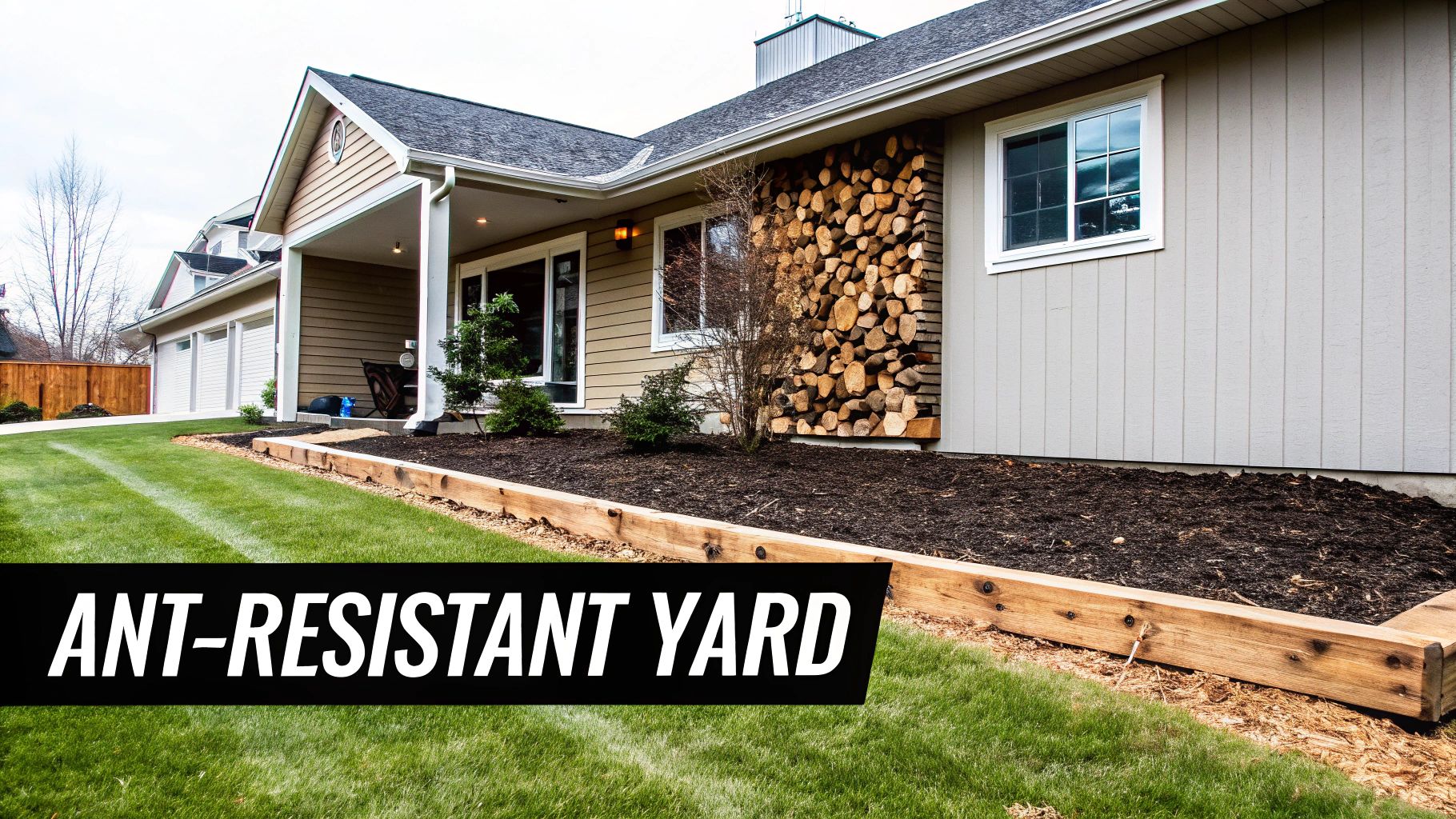
Thinking about how to prevent ants from entering house means looking beyond your front door. Your yard is the first line of defense, and your landscaping choices can either create a protective buffer or roll out the welcome mat for an ant invasion. For homeowners here in Crown Point, IN, a little strategic yard work goes a long way.
An overgrown or cluttered yard is a five-star resort for ant colonies, giving them countless places to set up shop right next to your house. A few proactive tweaks to your outdoor space can significantly lower pest pressure and make it harder for ants to find their way inside.
Create a No-Go Zone Around Your Foundation
The area right up against your foundation is the most important real estate in the fight against ants. This strip of land needs to be clear, dry, and uninviting.
One of the biggest mistakes we see is mulch piled high against the siding. Mulch is fantastic for retaining moisture in garden beds, but that same quality makes it the perfect sheltered, damp environment for an ant colony to build a nest.
- Build a Barrier: Keep a mulch-free zone of at least 12-18 inches between your foundation and your flower beds. You can fill this gap with gravel or decorative rock, which won't hold moisture and is far less attractive to pests.
- Watch the Water: Make sure your gutters and downspouts are channeling water far away from the foundation. Any standing water or constantly damp soil is a huge draw for ants and other pests like mosquitoes.
This simple buffer zone removes a major nesting hot spot and cuts off a common, hidden route ants use to get inside. It's a foundational part of any good residential pest control plan in Crown Point.
Trim Back the Ant Superhighways
Ants are natural climbers. They’ll use any overhanging tree branch or overgrown shrub as a personal bridge to get right onto your roof, siding, and windows.
Get into the habit of trimming back any vegetation that touches your house. Keep tree limbs pruned at least three to five feet away from your roofline. This small task doesn't just deter ants; it also helps prevent storm damage and keeps other critters like spiders and rodents from getting too close for comfort.
By simply managing your landscaping, you're taking away the very pathways and nesting sites that pests need to thrive. It’s a proactive approach that forms the core of effective, eco-friendly pest control in Northwest Indiana.
Tidy Up Common Ant Hideouts
Your yard has more than just mulch and branches that can become prime real estate for ants. A little awareness of these trouble spots is key to keeping your property clear.
Firewood should always be stacked on a rack, off the ground, and as far from your house as you can manage. Piling it directly on the ground creates the perfect sheltered hideout. The same goes for piles of leaves, grass clippings, and other yard debris—clean them up quickly.
Rotting wood is another major attractant. For instance, figuring out how to remove tree stumps gets rid of a favorite nesting spot for destructive carpenter ants.
When you put these yard maintenance strategies into practice, you make your property a much less appealing place for pests. Combine this with a sealed home and clean kitchen, and you've built a powerful defense. If you've done all this and still see ants marching in, it might be time to call us at The Green Advantage for expert ant control here in Crown Point, IN.
When to Call for Professional Ant Control in Crown Point, IN
Taking preventative steps is essential for keeping pests out of your Crown Point home. Sealing cracks, staying on top of cleaning, and managing your landscaping are non-negotiable. But sometimes, a few stray ants signal a full-blown infestation that has moved far beyond the reach of home remedies.
Knowing when you've hit that tipping point will save you time, money, and frustration. It’s the moment you stop fighting a losing battle and call in a professional exterminator in Crown Point, IN, like The Green Advantage, for a swift and effective solution.
Recognizing the Signs of a Major Infestation
Seeing a single ant on the counter is one thing. But a persistent, organized line of them marching to and from your pantry? That's a clear signal of a much bigger problem brewing out of sight. Established ant colonies are complex systems, often hidden deep within your home's structure. They aren't going to be defeated by a spray bottle or a handful of store-bought traps.
It's time to call a pro when you notice these signs:
- Persistent Ant Trails: You clean up a trail, only to see it reappear in the exact same spot a few hours later. This means a large, active colony is nearby, constantly sending out foragers to follow the established scent path.
- Ants in Multiple Rooms: Finding ants in the kitchen is common. But when they start appearing in bathrooms, bedrooms, or the living room, it suggests the colony is massive and has established multiple supply lines throughout your home.
- Winged "Swarmers" Indoors: Seeing ants with wings inside is a major red flag. These are reproductive ants, or "swarmers," sent from a mature colony to establish new ones. Their presence inside is a sure sign you have a well-established nest within your walls, floors, or foundation.
The Carpenter Ant Problem
One specific pest requires immediate professional attention: the carpenter ant. Unlike other common ants that are just a nuisance, these pests cause direct, physical damage to your home by tunneling through wood to build their nests.
Keep a sharp eye out for these telltale signs:
- Frass: This is a fine, sawdust-like material that carpenter ants push out of their nests as they excavate wood. You might find small, unexplained piles of it near baseboards, in crawl spaces, or along window sills.
- Faint Rustling Sounds: In a quiet house, you may hear a faint crinkling or rustling sound coming from inside your walls or wooden beams. This is the unsettling sound of an active colony at work.
If you even suspect you have carpenter ants, do not wait. The damage they cause can become incredibly expensive to repair. A professional inspection from a trusted Crown Point exterminator is the only way to confirm the issue and eliminate the nest before it compromises your home's structural integrity.
Why Over-the-Counter Sprays Often Fail
When you see an ant trail, the first instinct is to grab a can of insecticide. It feels satisfying to spray them, but this is often one of the worst things you can do for a serious infestation.
Most repellent sprays only kill the foraging ants you can see. The problem? Those workers often make up less than 10% of the total colony. The queen and thousands of others are safely hidden away, ready to send out more.
Even worse, spraying can trigger a defense mechanism called "budding." The stress causes the colony to fracture, and the queen may scatter with workers to create multiple smaller nests throughout your home, turning one problem into several. This is an especially common issue with odorous house ants, which are prevalent here in Northwest Indiana.
A professional exterminator uses non-repellent, slow-acting baits and treatments. Foraging ants pick these up and, not sensing any danger, carry them back to the colony. This is the key—it eliminates the queen and the entire nest right at its source. If you want to dive deeper, you can learn how our residential ants control service solves ant problems in your home.
Your Partner in Pest Prevention in Crown Point
Choosing a local pest control company is about more than just spraying for bugs. It’s about finding a partner you can trust—someone who understands the specific pest challenges we face in Northwest Indiana and is committed to protecting your home and family. At The Green Advantage, we're your neighbors. We live and work in the Crown Point community, and we’re dedicated to providing pest control solutions that deliver long-term protection.
A generic, one-size-fits-all approach just doesn't cut it. It might knock ants back for a day, but they always return because the root of the problem was never addressed. Our process always starts with a thorough inspection of your property.
A Deeper Look at Your Ant Problem
Before any treatment, our licensed technicians take the time to figure out exactly what's going on. This first step is critical for effective ant control.
- Identifying the Ant Species: Are those little black ants in your kitchen just annoying odorous house ants, or are they destructive carpenter ants? Knowing the species is everything, because the strategy to eliminate them is completely different.
- Locating Nests and Trails: We don't just look where you've seen them. We're trained to trace pheromone trails back to the source, pinpointing nests hidden deep inside a wall void, under a concrete slab, or out in the yard.
- Pinpointing Entry Points: We meticulously check your home's exterior for the smallest cracks, gaps around pipes, or unsealed vents they're using as a personal doorway.
- Identifying Attractants: We also look for conditions that welcome pests, from a slow-leaking spigot creating a moisture problem to a woodpile stacked against your foundation.
This deep dive gives us the intelligence to build a targeted, effective plan tailored specifically for your home.
Our Integrated Pest Management Philosophy
Here at The Green Advantage, we practice Integrated Pest Management (IPM). It’s a common-sense, environmentally responsible approach to pest control that prioritizes long-term prevention over reacting with chemicals. Instead of just spraying, IPM is about understanding how pests live and changing the environment to make it less welcoming for them.
Our goal isn't just to get rid of the ants you see today. It's to put smart, sustainable measures in place that prevent them from coming back tomorrow. This approach protects your property while minimizing the impact on your family, pets, and our local ecosystem.
For a home in Crown Point, our IPM strategy might involve sealing a tiny gap near a utility line, suggesting you switch from wood mulch to rock near the foundation, and then applying a low-impact, targeted bait that the ants carry back to wipe out the entire colony at its source. It's a smarter way to get lasting results.
What to Expect When You Work with The Green Advantage
We believe clear communication and professional, friendly service are the foundation of a great partnership. As a local exterminator near Crown Point, IN, our reputation is built on providing a positive experience from the first phone call to the final follow-up.
When you choose The Green Advantage, here’s what you can expect:
- A Real Conversation: We’ll listen to your concerns and then walk you through our findings and proposed plan in plain English, with no confusing jargon.
- Licensed and Experienced Techs: Our team is highly trained and knows the specific pests that thrive in Northwest Indiana, from ants and termites to rodents and wasps.
- A Custom Prevention Plan: We give you practical, actionable advice on sanitation, home maintenance, and landscaping to help you keep your home pest-free between our visits.
- Reliable and Respectful Service: We treat your home like it's our own. We show up on time, work efficiently, and ensure you're completely satisfied.
Our years of experience in this region mean we've seen it all. From stubborn ant infestations to complex rodent issues and seasonal mosquito problems, we have the local know-how to deliver solutions that work. Let us be your trusted partner in protecting what matters most.
Your Top Ant Prevention Questions Answered
Even with a solid plan, questions are bound to pop up. When it comes to figuring out how to keep ants out of your house for good, homeowners here in Crown Point tend to run into the same frustrations. Here are the answers to the questions we get asked most often at The Green Advantage.
Why Did So Many Ants Suddenly Show Up in My House?
A sudden explosion of ants almost always points to one of two things: a big weather shift or a newly discovered jackpot of food or water. Here in Northwest Indiana, a heavy downpour can completely flood an outdoor nest, sending the entire colony scrambling for the first dry spot they can find—which is often your home.
On the flip side, a long dry spell can do the same thing. When their water sources dry up outside, ants will march right inside looking for moisture. Once a scout ant finds a reliable source—say, a bit of spilled juice in the pantry—it lays down a chemical trail. Just like that, you’ve got an invisible ant highway leading straight to your kitchen.
Are These Little Black Ants in My Kitchen Dangerous?
Those tiny, dark ants on your kitchen counters are most likely odorous house ants. You’ll know for sure if you crush one—they give off a weird smell, kind of like rotten coconuts.
While they aren’t "dangerous" like a carpenter ant that destroys wood, they are a major nuisance you shouldn't ignore.
- They can easily contaminate your food just by crawling over it.
- Their colonies can swell to include thousands of workers surprisingly fast.
- Most importantly, their presence is a flashing neon sign that your home has weak spots—gaps, cracks, and food sources—that other, more damaging pests like termites and rodents can also exploit.
It’s always best to get a handle on an odorous house ant problem right away before it spirals out of control.
How Often Should I Get Professional Ant Prevention?
For reliable, year-round protection from ants and other common pests in our area, a quarterly service plan is the gold standard. This schedule ensures a licensed technician can maintain a consistent protective barrier around your home, as even the best products naturally break down over time.
A proactive, preventative plan is always more effective and less expensive than scrambling to deal with a full-blown infestation that has already moved in.
This regular timing also allows our technicians to adapt the treatment to the season. Ant activity spikes in spring and summer, which requires a different approach than in the fall, when pests are trying to find a warm place to spend the winter. Regular service simply stops these problems before they begin.
Is It Possible to Get Rid of Ants Permanently on My Own?
Honestly, achieving permanent ant removal with DIY methods alone is a tough, often impossible, battle. Sealing cracks and keeping a clean kitchen are incredibly important for prevention, but they usually aren't enough to wipe out a colony that's already established.
The problem with store-bought baits and sprays is that they’re designed to kill the worker ants you see. That’s just a tiny fraction of the total colony. Meanwhile, the queen and thousands of her workers are safely tucked away in a nest. To truly solve an ant problem, you have to eliminate the entire colony, queen and all.
Professional-grade baits and non-repellent treatments are different. Foraging ants don't die on contact; they carry the material back to the nest, sharing it with the rest of the colony and, crucially, the queen. This is the only way to get to the source of the problem and achieve results that actually last.
If you're tired of fighting a losing battle against ants, the team at The Green Advantage is here to help. As the trusted exterminator for Crown Point, IN, and the surrounding Northwest Indiana region, we provide professional, eco-friendly ant control services to protect your home and family. Contact us today to schedule your pest inspection and request a free quote.
Learn more about The Green Advantage.