
The Homeowner’s Guide to Finding the Best Ant Exterminator Near Me
It starts with a single scout. You spot a lone ant wandering across your kitchen counter. You squash it, wipe the surface, and think the problem is solved. But the next morning, that solitary scout has been replaced by a marching line of hundreds, trailing from a crack in the window sill to your sugar bowl.
Ant invasions are among the most common and frustrating household pest issues. While they might seem like a minor nuisance compared to termites or rodents, ants can contaminate food, damage property (in the case of carpenter ants), and generally make your home feel unclean. When an infestation takes hold, the immediate reaction is often panic, followed by a frantic search for “ant exterminator near me“
Finding a reliable professional isn’t just about picking the first name on a search results page. It requires understanding why the infestation happened, knowing what separates a quick fix from a long-term solution, and selecting a partner who values safety as much as efficacy. This guide will walk you through everything you need to know to reclaim your home from these persistent invaders.
Why DIY Ant Control Often Fails
The shelves of your local hardware store are stocked with sprays, baits, and traps that promise to eliminate ants instantly. It is tempting to grab a can of bug spray and go to war. However, most homeowners find that these DIY methods are temporary at best.
- You’re only seeing the tip of the iceberg: The ants you see are just a small fraction of the colony. Killing these worker ants won’t stop the queen, who remains hidden in the nest, from laying more eggs and replenishing the population.
- Using the wrong bait: Different ant species have different dietary needs. If you use a sugar-based bait for ants that prefer protein, they will simply ignore it. Additionally, if the bait works too quickly, the worker ant won’t have time to carry the poison back to the queen.
- Making the problem worse: Certain species, like Pharaoh ants, respond to repellent sprays by splitting into multiple smaller colonies—a process known as “budding.” This can spread the infestation throughout your home, turning a minor issue into a major one.

Factors to Consider When Choosing an Ant Exterminator
When you decide it’s time to call in the professionals, you want to ensure you are hiring a company that can solve the problem permanently. Here are the key factors to evaluate during your search.
Licensing and Certification
This is the non-negotiable baseline. Pest control involves the use of chemicals that, if mishandled, can be dangerous to humans, pets, and the environment. Ensure the company holds a current license to operate in your state. Additionally, look for technicians who are certified. This indicates they have undergone specific training on insect biology, safety protocols, and application techniques.
Experience with Specific Species
“Ants” is a broad category. Managing Odorous House Ants requires a different strategy than managing Carpenter Ants or Fire Ants. Ask potential exterminators about their experience with the specific type of ant you are seeing. A qualified professional should be able to identify the species quickly, as this identification dictates the treatment plan.
Reputation and Reviews
Online reviews provide a wealth of information about a company’s reliability. Look for patterns in the feedback. Do customers mention that the technicians were on time? Did the ants come back after a week? How did the company handle follow-up requests? While a negative review here or there is normal, a pattern of poor communication or ineffective treatments is a red flag.
Guarantees and Follow-Up Policies
Ants are resilient. Even the best treatment might require a follow-up visit, especially for large, established colonies. Reputable companies usually offer a guarantee—often a 30-day or 60-day window during which they will return and re-treat for free if the pests persist. Be wary of companies that offer no guarantee or charge full price for necessary follow-ups.
What to Expect During an Ant Extermination Service
Knowing what happens during a professional visit can help you prepare and set realistic expectations.
The Inspection
A high-quality service always begins with an inspection. The technician shouldn’t just walk in and start spraying. They need to locate the entry points, identify the species, and try to find the nest. They will look in common problem areas like under sinks, around windows, in basements, and around the exterior foundation of your home.
The Treatment Plan
Once the inspection is complete, the ant exterminator will explain the situation. They should outline:
- The Species: What kind of ant you have.
- The Strategy: Whether they will use baits, non-repellent sprays, dusts, or a combination.
- The Locations: Where they will apply the treatments (interior vs. exterior).
- Safety Precautions: Any specific instructions for kids or pets (e.g., staying out of the room for two hours).
The Application
The actual treatment usually takes less than an hour, depending on the size of the home and the severity of the infestation. Modern pest control focuses on “Integrated Pest Management” (IPM), which means using the least toxic methods necessary and targeting the source rather than just spraying baseboards indiscriminately.
Questions to Ask Potential Exterminators
Before you sign a contract or allow someone into your home, treat the initial phone call like an interview. Here are five essential questions to ask:
“How do you identify the ant species before treating?”
- Why ask: If they say it doesn’t matter, hang up. Identification is crucial for success.
“Are your treatments safe for children and pets?”
- Why ask: You need to know the toxicity levels and the re-entry time (how long you must wait before entering the treated area).
“What is your strategy for finding the nest?”
- Why ask: You want to ensure they are targeting the colony, not just the foragers.
“Do you offer a warranty on your work?”
- Why ask: This protects your wallet if the first treatment doesn’t fully resolve the issue.
“Do you provide preventative recommendations?”
- Why ask: A good exterminator acts as a partner, helping you seal entry points and remove attractants to prevent future issues.
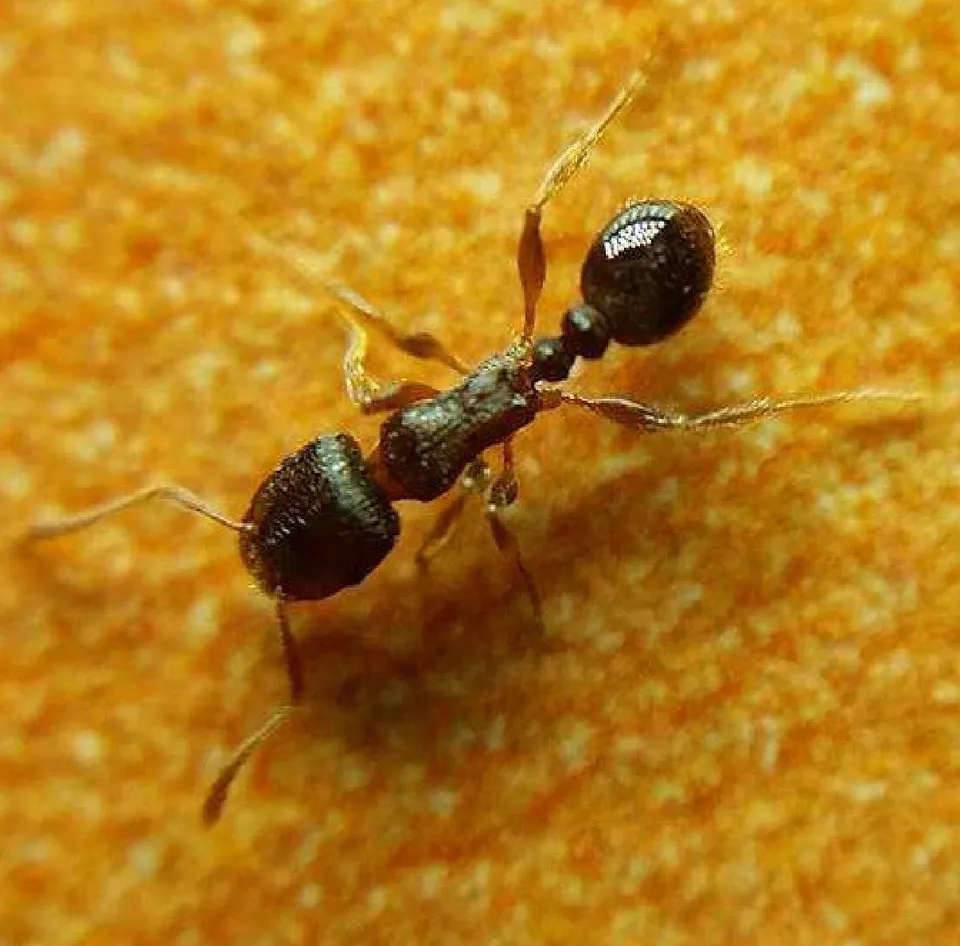
The Green Advantage: Eco-Friendly Ant Control
As homeowners become more environmentally conscious, the demand for “green” pest control has skyrocketed. Many people worry about the impact of harsh chemicals on their indoor air quality, their garden’s ecosystem, and the health of their vulnerable family members.
This is where companies like The Green Advantage stand out. Eco-friendly pest control doesn’t mean “ineffective.” In fact, it often means “smarter.”
Reduced Toxicity
Green pest control utilizes products derived from natural sources, such as essential oils (peppermint, thyme, rosemary) or borates, which are less harmful to mammals but lethal to insects. These products break down faster in the environment, leaving less residual chemical load in your soil or groundwater.
Targeted Application
Standard pest control sometimes relies on the “spray and pray” method—covering a wide area with potent chemicals. Green approaches, like those used by The Green Advantage, focus on precision. By understanding the biology of the ant, technicians can place smaller amounts of product exactly where the ants will interact with it, minimizing exposure to non-target organisms (like ladybugs, bees, or your dog).
Focus on Exclusion
A major pillar of eco-friendly control is exclusion—physically blocking pests from entering. This involves sealing cracks, fixing screens, and addressing moisture issues. It is a chemical-free way to reduce infestations and is a core component of sustainable pest management.
Choosing a company that prioritizes these methods ensures that you are solving your ant problem without creating new environmental or health problems for your household.
Preparing Your Home for Ant Extermination
To get the best results from your professional service, a little preparation goes a long way. This helps the technician work efficiently and ensures the treatment adheres properly to surfaces.
- Clean the Floors: Vacuum and mop all hard floors. This removes crumb trails and pheromone trails that ants use to navigate. However, do not use strong detergents or bleach immediately after the treatment, as you might wash away the residual product.
- Clear Access Points: If the ants are coming in under the kitchen sink, remove the cleaning supplies so the technician can easily inspect the pipes. Pull furniture away from walls where you have seen ant activity.
- Put Food Away: Store all food in airtight containers or the refrigerator. This includes pet food. You want the ants to be attracted to the professional bait, not your leftover pizza or the dog’s kibble.
- Cover Aquariums: If you have fish or reptiles, cover their tanks and turn off the air pumps during treatment, as they can be highly sensitive to airborne particles.
Post-Extermination Tips to Prevent Re-Infestation
Once the exterminator leaves, the battle isn’t entirely over. You have a role to play in keeping your home ant-free.
Be Patient
This is the hardest part. If the ant exterminator used bait, you might actually see more ants for a few days. This is normal. The ants are flocking to the bait to carry it back to the colony. Do not kill these ants! Let them do their job. The population should drop off significantly within 3 to 7 days.
Eliminate Moisture
Ants need water just as much as they need food. Carpenter ants, in particular, are drawn to damp wood. Fix leaky faucets, ensure your gutters are draining away from the foundation, and run a dehumidifier in damp basements.
Seal Entry Points
Once the colony is dead, seal the cracks they used to get in. Use silicone caulk around windows, doors, and baseboards. Install door sweeps on exterior doors. This physical barrier makes it much harder for the next colony to scout your home.
Maintain a Clean Perimeter
Trim back trees and shrubs so they don’t touch your house. Ants use branches as bridges to bypass treated soil and enter through the roof or upper windows. Keep mulch and firewood stacks at least a few feet away from the foundation.
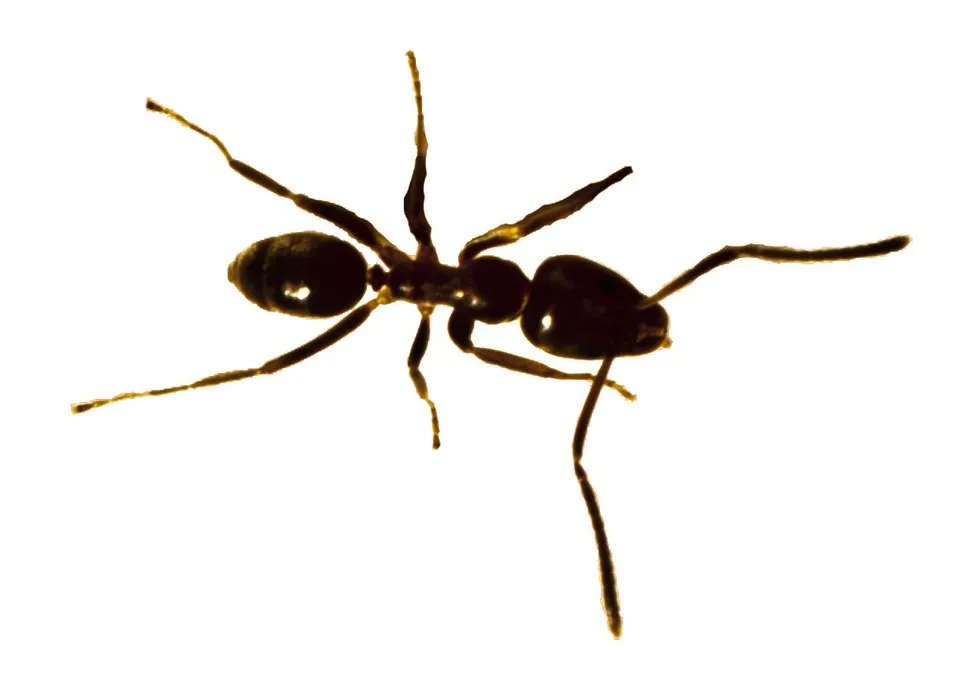
A Pest-Free Home is Within Reach
Ants are persistent, organized, and numerous. Dealing with an infestation can feel overwhelming, especially when DIY methods fail to stop the march of workers across your countertops. However, you don’t have to live with unwanted guests.
By understanding the limitations of store-bought products and knowing what to look for in a professional service, you can make an informed decision. Whether you choose a traditional route or opt for an eco-conscious provider like The Green Advantage, the key is to act quickly and strategically.
Don’t let the ants claim your kitchen. With the right help, you can reclaim your space and enjoy the peace of mind that comes with a secure, pest-free home.
The Green Advantage
https://maps.app.goo.gl/wzz1BewPEdKx96pQ6
14451 Reeder Rd, Crown Point, IN 46307, United States
(219) 779-9815
https://thegreenadvantage.biz/