Skip to content
Rat Control: Stopping a Small Issue Before It Becomes an Infestation
It starts with a faint scratching sound in the ceiling or a fleeting shadow darting across the garage floor. For many homeowners, the immediate reaction is a mix of concern and hopeful denial. It is common to think that seeing a single rodent is just an isolated incident—a straggler that wandered in from the cold. However, biology and decades of field experience tell a different story. In the world of rodents, "just one" is almost never the reality.
Understanding this reality is the very first step in effective rat control.
There exists a critical, often brief, window of opportunity between the first sign of activity and a full-blown infestation. Acting during this period is the difference between a minor maintenance task and a costly, stressful home remediation project. Ignoring the signs allows the population to establish territory, damage infrastructure, and reproduce at an alarming rate.
The Green Advantage combines decades of dedicated field experience with a genuine passion for helping neighbors maintain safe, healthy homes. This guide serves to educate the community on the mechanisms of infestation and how a dedicated team of licensed professionals can support households in keeping their property safe.
Understanding the Rapid Reproductive Cycle of Rats
From Two to Twenty in Weeks
Rats are nature’s reproductive machines, designed for survival through sheer numbers. A single breeding pair can produce a litter of 6 to 12 pups, and unlike many other mammals, they do not wait a year to breed again. In favorable conditions with access to food and shelter, a female can produce up to seven litters in a single year.
Sexual Maturity Speed
The speed of infestation is driven not just by the number of offspring, but by how quickly those offspring can contribute to the population growth. Young rats reach sexual maturity with incredible speed, often being ready to reproduce as early as three to four months of age. This accelerates the infestation exponentially, as the first litter begins having their own litters before the original parents have even finished their year of breeding.
The "Carrying Capacity" Concept
Every environment has a limit on how much life it can support, known as carrying capacity, but rats are experts at expanding it. They possess a unique biological ability to adapt their breeding rates based on the available resources in their immediate environment. If a home provides unlimited access to pet food, unsealed garbage, and warm shelter, the rat population will sense this abundance and reproduce at maximum capacity to fill the void.
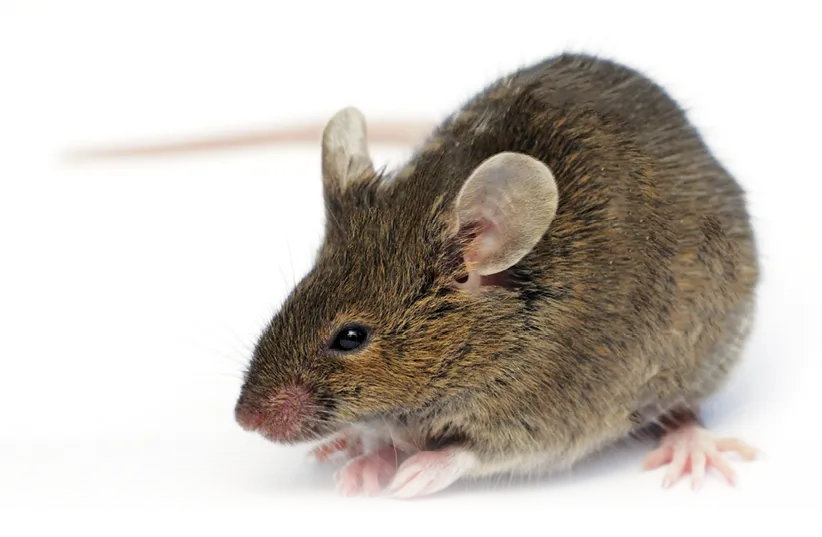
[caption id="attachment_692" align="aligncenter" width="800"] Rat Control[/caption]
Early Detection: Subtle Signs You Might Miss
Grease Marks and Runways
Rats are creatures of habit with poor eyesight, relying on their whiskers and sense of touch to navigate. They tend to use the same paths repeatedly, hugging walls and baseboards for safety rather than crossing open spaces. Over time, the oils and dirt on their fur leave behind dark, greasy smudges known as "sebum" marks along these travel routes. Spotting these faint, oily discolorations along the bottom of walls, on pipes, or around entry holes is a sure sign of a heavy traffic area that requires immediate attention from a professional.
Gnawing Damage vs. Wear and Tear
Homeowners often mistake structural damage for general wear and tear, but rodent teeth leave a distinctive signature. A rat's incisors never stop growing, forcing them to chew constantly to file them down. This results in gnaw marks that have rough, uneven edges, distinguishing them from the smooth deterioration of rot or age. Identifying fresh, light-colored wood chippings or jagged holes in plastic storage bins, drywall, and even electrical wiring can confirm the presence of an active rodent issue that is causing ongoing physical damage to the property.
The "Musky" Odor
As rat infestation grows, it begins to generate a distinct and unpleasant olfactory footprint. Rodent urine has a sharp, ammonia-like scent that becomes increasingly potent as the population density rises. This musky odor often permeates enclosed spaces with poor ventilation, such as attics, basements, or pantries, long before a rodent is ever visually spotted.
The Green Advantage Approach to Strategic Control
Beyond the Trap
Simply placing a snap trap in the middle of a room is rarely effective against cautious, intelligent rodents. The licensed professionals at The Green Advantage analyze rat psychology and travel patterns to place controls where they will be most effective. By identifying the runways and high-activity zones mentioned earlier, technicians can strategically position devices to intercept the pests during their daily routine.
Environmentally Responsible Solutions
Working with nature is a passion for The Green Advantage, which means prioritizing methods that target the pest specifically without endangering the surrounding ecosystem. The goal is to solve the problem with surgical precision rather than using a broad-spectrum approach that could harm local wildlife or family pets.
Continuous Monitoring Protocols
A single visit is rarely enough to fully resolve a rodent issue, as nature is unpredictable and populations can be stubborn. The Green Advantage employs a rigorous follow-up process where helpful staff and technicians monitor activity levels to ensure the plan is working. This continuous monitoring allows for adjustments in strategy and provides confirmation that the population is actually declining, rather than just relocating to a different part of the home.
Sanitation: The First Line of Defense
Starving the Population
Rats require three fundamental elements to survive and thrive: food, water, and shelter. Creating a sanitation barrier involves systematically eliminating food sources that might be sustaining the colony. This includes securing pet food in airtight containers at night, cleaning up fallen fruit in the yard, and managing bird feeders that often inadvertently feed the wrong animals.
Water Management Strategies
While rats can get some moisture from their food, they generally need a reliable water source, making a leaky spigot or a pet bowl left out overnight an oasis for them. Correcting moisture issues around the home, such as repairing dripping pipes, ensuring gutters drain properly, and eliminating standing water, makes the environment hostile to their survival.
Decluttering to Remove Hiding Spots
Clutter provides the perfect camouflage for rodents, offering them safe harbor to nest and move without being detected. Piles of wood against the house, debris in the yard, or disorganized boxes in garages create a labyrinth of safety for nesting females. organizing these spaces and elevating storage off the ground removes these safe zones, forcing rats out into the open where they feel vulnerable and unsafe.
[caption id="attachment_609" align="aligncenter" width="800"] Rat Control Service[/caption]
Exclusion: Locking Them Out Permanently
The Pencil Test
It is shocking how small of a gap a rodent can squeeze through; if a pencil can fit into a crack, a young rat or mouse can likely force its way in. Inspecting the foundation, siding, and utility entry points for these tiny gaps is a crucial step in the exclusion process. The Green Advantage technicians are trained to spot these minute vulnerabilities that most homeowners miss, ensuring that the "open door" sign is taken down permanently.
Material Matters
Rats are formidable chewers capable of gnawing through wood, plastic, and even un-reinforced concrete given enough time. Therefore, blocking holes with expanding foam or standard caulk is often just a temporary delay rather than a permanent solution. The Green Advantage utilizes specific, durable exclusion materials like heavy-gauge hardware cloth and copper mesh—materials that are painful or impossible for rodents to chew through.
Roof and Vent Vulnerabilities
Rats are excellent climbers, often scaling drainpipes or tree branches to access the roof, where they find easy entry through vents and eaves. These high-up hazards are frequently overlooked by homeowners who focus solely on ground-level entry points. Technicians from The Green Advantage secure these elevated areas, installing heavy-duty screens over chimney gaps and reinforcing roof vents.
The Dangers of "Wait and See"
Health Hazards Escalate
As a rat population grows, so does the accumulation of biological waste within the walls and crawlspaces of the home. Droppings and urine can build up rapidly, becoming a breeding ground for harmful pathogens. Risks associated with hantavirus, salmonella, and leptospirosis increase significantly as the infestation ages and waste becomes more concentrated.
Structural Damage Compounding
The physical damage caused by rodents is not static; it compounds and worsens with every passing day. What starts as a few gnaw marks can quickly turn into severed electrical wires, creating a serious fire hazard, or destroyed insulation that leads to significant energy loss. Ignoring the problem in hopes that it will resolve itself allows these damages to multiply, turning a small pest control bill into thousands of dollars in electrical, plumbing, and carpentry repairs. Early rat control is an investment in protecting the asset of the home.
Displacement into Living Areas
Rats generally prefer dark, secluded areas like attics or crawlspaces, but as the population expands, space becomes limited. When an attic gets too crowded, the more dominant rats force subordinates to find new territory, often pushing them down into the living areas of the house.
Why Professional Intervention Saves You More
The Cost of Failed DIY Attempts
Many homeowners attempt to handle rodent issues themselves to save money, only to end up spending more in the long run. Buying trap after trap, purchasing ineffective baits, and repeatedly repairing the same damage adds up quickly without actually solving the root cause. Investing in a professional service gets the job done right the first time, eliminating the recurring costs of a lingering infestation.
Expert Knowledge of Local Species
Not all rats behave the same way, and successful control requires understanding the specific behaviors of the local rodent population. The Green Advantage leverages deep knowledge of regional species, understanding their specific nesting preferences, dietary habits, and seasonal movement patterns. This insight allows the team to predict the rodents' next moves and intercept them faster than a generic approach would allow.
Peace of Mind Guarantee
When a homeowner chooses to work with The Green Advantage, they are not just buying a service; they are gaining a dedicated partner in home maintenance. There is a profound relief that comes from knowing a licensed professional is handling the dirty work, navigating the crawlspaces, and handling the removal. The commitment to customer satisfaction ensures that the helpful staff is always available to answer questions and provide reassurance.
[caption id="attachment_482" align="aligncenter" width="800"] Professional Rat Removal[/caption]
Don't Let the Problem Outgrow Your Control
Time is the absolute enemy when it comes to managing rodents. A small problem today is a manageable one, but waiting even a few weeks allows biology to take over, turning a minor intrusion into a full-scale infestation. The risks to health, safety, and property value are too high to ignore the early warning signs.
The Green Advantage takes immense pride in keeping local neighborhoods safe, healthy, and pest-free. The safety of a single home contributes to the well-being of the entire community. Don't let the problem outgrow your control or your budget. Contact the helpful staff at The Green Advantage today to schedule an inspection and nip the rodent issue in the bud before it blooms into a crisis.
The Green Advantage
https://maps.app.goo.gl/wzz1BewPEdKx96pQ6
14451 Reeder Rd, Crown Point, IN 46307, United States
(219) 779-9815
https://thegreenadvantage.biz/
Rat Removal Near Me: What to Do the Moment You Hear Scratching
That scratching noise in the ceiling or walls at night is more than just annoying; it’s a clear signal that uninvited guests have moved in. While it might be tempting to pull the covers up and ignore it, acting fast is crucial when facing a potential rodent issue. These sounds are often the first indicator of a problem that can grow exponentially if left unchecked, so validating that suspicion is the first step toward a quiet home.
Rats aren't just noisy neighbors; they pose serious health risks through contamination and can cause significant structural damage by chewing through wires and insulation. The potential for disease transmission and fire hazards makes a rodent infestation a serious matter that requires immediate attention. Understanding these risks helps prioritize the safety of the household and underscores why professional rat removal near me is often necessary.
At The Green Advantage, the stress a rodent issue brings to a household is fully understood. This guide is designed to empower homeowners with knowledge and demonstrate how a local, dedicated team can help reclaim peace of mind safely and effectively. Knowledge is power, and knowing the right steps to take can transform a stressful situation into a manageable problem with a clear solution.
Confirming the Suspicion: Is It Really Rats?
Deciphering the Noises
Not all bumps in the night are rats. Distinguishing between the heavy, scurrying sounds of rats versus the lighter patter of mice or the vocalizations of raccoons is essential for knowing exactly what is being faced. Rats tend to be louder and more deliberate in their movements, often creating scratching or gnawing sounds that are distinct from the lighter, faster movements associated with smaller rodents like mice.
Identifying Physical Evidence
Beyond the noise, rats leave clues. Looking for specific droppings (dark, pellet-shaped), smudge marks along baseboards (sebum trails), and gnaw marks on wood or plastic will help confirm the intruder's identity. These physical signs are often found along walls or behind appliances, as rats prefer to travel along established paths where they feel secure, leaving behind greasy rub marks from their fur.
The "Nesting" Signs
Rats are resourceful builders. Spotting disturbed insulation, shredded paper, or gathered fabrics in attics and basements indicates a nest is actively being built. These materials are often gathered into secluded corners or voids within the structure, creating a warm and safe environment for the colony to expand, which is a sure sign that the infestation is establishing itself.
[caption id="attachment_482" align="aligncenter" width="800"] Professional Rat Removal[/caption]
Immediate Safety Steps for Your Family and Pets
Securing Food Sources
The first line of defense is cutting off the buffet. Storing pantry items in airtight containers and ensuring pet food isn't left out overnight prevents these items from acting as major attractants. Rats are opportunistic feeders, and removing easy access to food forces them to look elsewhere, making the home less appealing and slowing down the growth of the population.
Sanitation and Waste Management
Rats thrive in clutter and waste. Securing garbage can lids, cleaning up crumbs immediately, and removing outdoor debris piles where rats might be hiding are critical steps to take before they enter the home. A clean environment reduces the available resources for pests, making it harder for them to survive and hide, which is a key component of any effective pest control strategy.
Protecting Your Wires and Pipes
Since rats need to gnaw to keep their teeth sharp, a home's infrastructure is always at risk. Checking for exposed wires or leaks to prevent fire hazards or water damage is good temporary advice while waiting for professional help. Identifying these vulnerable areas early can prevent costly repairs later and ensure that the home remains safe for the family while the infestation is being addressed.
Why DIY Rat Removal Often Fails
The Trap-Shy Phenomenon
Rats are incredibly intelligent and neophobic (fearful of new things). Store-bought traps often remain empty because rats learn to avoid them after seeing a peer get caught, rendering simple trapping methods ineffective over time. This behavioral adaptation means that simply placing a trap is rarely enough; a strategic approach that understands rat psychology is required for success.
The Danger of Over-the-Counter Poisons
Using generic rodenticides can be risky for pets and local wildlife. Secondary poisoning is a real danger, and placing bait without a strategy often leads to dead rodents in unreachable wall voids, creating foul odors and attracting other pests. Professional application ensures that baits are used safely and effectively, minimizing risks to non-target animals and the environment.
Treating the Symptom, Not the Source
Catching one rat rarely solves the problem. DIY methods usually fail to address the root cause—entry points—allowing the infestation to continue indefinitely as new rats simply replace the old ones. True rat removal requires a comprehensive strategy that identifies and seals these access points to prevent future invasions, rather than just temporarily reducing the numbers.
The Green Advantage Inspection: A Thorough Approach
Exterior Perimeter Check
Licensed professionals start outside. Meticulously inspecting the foundation, rooflines, and vents helps find the "superhighway" rats are using to access the home. Identifying these exterior vulnerabilities is the first step in creating a solid defense, as it stops pests from entering the structure in the first place and forces them to move on to easier targets.
Interior Assessment and Hotspots
Guesswork has no place in pest control; a thorough look is required. The process involves inspecting attics, crawlspaces, and utility closets to locate nests and assess the extent of the infestation. This detailed interior assessment allows for a clear understanding of where the rats are living and traveling, which is crucial for placing traps and baits effectively.
Customized Action Plan
Every home is unique. A tailored plan is created based on specific findings, ensuring that the solution fits the household needs rather than using a cookie-cutter approach. This customization ensures that the specific layout, family needs, and severity of the infestation are all taken into account, leading to a more successful and lasting outcome.
[caption id="attachment_609" align="aligncenter" width="800"] Rat Removal[/caption]
Rodent Proofing and Exclusion Techniques
Sealing the Envelope
Exclusion is the key to long-term success. Methods for sealing cracks, gaps around pipes, and vents with durable materials like steel wool and metal flashing ensure that rats cannot chew through to re-enter. By physically blocking these entry points, the home becomes a fortress against pests, breaking the cycle of infestation and providing long-term relief.
Landscaping for Prevention
The yard plays a big role in pest control. Trimming back tree branches that touch the roof and managing dense vegetation removes the "ladders" and hiding spots rats use to get close to the house. Maintaining a clear perimeter around the home creates a buffer zone that discourages rats from approaching the structure and finding new ways inside.
Vent and Chimney Guarding
Open vents are an open invitation. Installing heavy-duty mesh screens on roof vents, crawlspace openings, and chimney caps blocks these common entry points without restricting airflow. These guards act as a physical barrier that allows the home to breathe while keeping pests out, ensuring that the attic and crawlspace remain secure.
Safe and Humane Removal Strategies
Strategic Trapping Protocols
Knowledge of rat behavior is used to place traps in the most effective pathways. Positioning them safely away from children and pets while maximizing catch rates is a priority for professional services. This strategic placement ensures that the traps are effective without posing a risk to the household, striking the right balance between safety and results.
Eco-Conscious Solutions
At The Green Advantage, passion for working with nature drives the methodology. A commitment to using methods that minimize environmental impact while effectively removing the pest population is central to the service. This approach ensures that the ecosystem is respected while still solving the pest problem, providing a responsible solution for eco-minded homeowners.
Monitoring and Follow-Up
Rat removal isn't a one-day event. The follow-up process involves helpful staff checking in to ensure the activity has ceased and removing any trapped rodents promptly. This ongoing monitoring ensures that the infestation is truly gone and allows for adjustments to the plan if new activity is detected, providing peace of mind throughout the entire process.
Restoration and Sanitation After the Infestation
Cleaning Up the Mess
Once the rats are gone, the danger remains in their droppings and urine. Professional sanitization is important to remove harmful bacteria and pheromones that attract other rodents. Thorough cleaning eliminates the health risks associated with the infestation and removes the scents that signal safety to other pests, preventing re-infestation.
Repairing the Damage
From chewed wires to torn insulation, necessary repairs are vital to restore the home’s safety and energy efficiency. Fixing these damages helps the household get back to normal life and ensures that the home is functioning properly again. Addressing these issues promptly prevents further deterioration and restores the comfort and safety of the living environment.
The "All Clear" Assurance
No one should be left guessing. Verifying that the home is rat-free provides the peace of mind that comes with knowing the biggest investment is protected by local experts who care. This final assurance confirms that the job is done right and that the home is once again a safe and healthy place for the family to live.
[caption id="attachment_692" align="aligncenter" width="800"] Rat Removal Specialist[/caption]
Reclaiming Your Home
Don't ignore the scratching; early detection leads to easier solutions. Ignoring the sound allows the colony to grow and the damage to worsen, turning a small problem into a major headache. Taking action at the first sign of trouble is the best way to protect the home and avoid the extensive damage and health risks associated with a full-blown infestation.
You don’t have to face this alone. The Green Advantage combines decades of experience with a genuine passion for helping community members live in safe, pest-free homes. Trusting local expertise means getting a partner who understands the specific challenges of the area and is committed to providing the highest quality service.
If scratching is heard, don't wait. Reach out to the friendly team today for a consultation to address rat removal near me. Let knowledgeable professionals handle the dirty work so sound sleep can be restored.
The Green Advantage
https://maps.app.goo.gl/wzz1BewPEdKx96pQ6
14451 Reeder Rd, Crown Point, IN 46307, United States
(219) 779-9815
https://thegreenadvantage.biz/

Termite and Pest Control: How to Stop Silent Damage Before It Starts
In the world of home ownership, few phrases strike fear quite like "termite damage." Often referred to as "silent destroyers," termites and similar pests have earned this nickname for a terrifying reason: they work quietly, invisibly, and relentlessly. Unlike a burst pipe or a broken window, a pest infestation rarely announces itself with a loud bang. Instead, colonies expand in the dark, chewing through structural support beams, flooring, and wall studs while life continues as normal above ground.
The damage caused by these pests is not just a structural issue; it is a financial one. Billions of dollars are spent annually in the United States on termite and pest control and repair costs, much of which is not covered by standard homeowner insurance policies. The insidious nature of these infestations means that a home can look perfectly healthy on the outside while being hollowed out from the inside.
Fortunately, these silent threats do not have to result in catastrophic loss. The key lies in understanding how these pests operate, recognizing the subtle warning signs they leave behind, and implementing a robust prevention strategy. Pest control termite control is not just about reacting to bugs when they appear; it is about creating an environment where they cannot thrive.
Unmasking the Enemy: Understanding Termite Behavior
Subterranean vs. Drywood Termites
Understanding the enemy is the first step in effective defense, and in the world of termite and pest control, knowing the difference between Subterranean and Drywood termites is crucial. Subterranean termites require contact with the soil to survive and typically build mud tubes to travel from the ground into a structure, attacking from the bottom up. In contrast, Drywood termites do not need soil contact or as much moisture; they can fly directly into attics or second-story eaves to infest furniture and framing.
The "Silent" Signal: How Colonies Grow
A termite colony’s growth is a slow, methodical process that can easily go undetected by an untrained eye. A queen can lay thousands of eggs a day, yet the colony remains hidden deep underground or within the wood itself, avoiding light and open air. This allows the population to swell to hundreds of thousands of members over several years without triggering typical alarms like noise or visible bugs in the living areas.
The Role of Moisture in Infestations
Moisture is practically a beacon for termites, drawing them toward a home’s foundation with the promise of survival. These pests are constantly seeking water to prevent their bodies from drying out, which is why leaky faucets, clogged gutters, or condensation around air conditioning units can be so dangerous. Even high humidity levels in a crawlspace can create the perfect microclimate for an infestation to take hold.
[caption id="attachment_184" align="aligncenter" width="400"] Pest & Termite Control[/caption]
Early Warning Signs You Can’t Afford to Ignore
Deciphering Mud Tubes
One of the most definitive signs of a Subterranean termite invasion is the presence of mud tubes, which act as a protected superhighway for the insects. These pencil-sized tunnels are constructed from soil and wood particles, often appearing as vein-like structures running up concrete foundations or exterior walls. They protect the termites from predators and dehydration as they travel between their nest in the ground and their food source in the house.
The Difference Between Flying Ants and Termite Swarmers
Springtime often brings swarms of flying insects, causing panic among homeowners who struggle to differentiate between harmless ants and destructive termites. A clear checklist can help distinguish the two: termites have straight antennae and a thick, uniform waist, whereas ants have elbowed antennae and a pinched, narrow waist. Additionally, termite wings are all equal in length, while flying ants have front wings that are longer than their back wings.
Structural Clues: Bubbling Paint and Hollow Wood
Sometimes, pest control termite control issues disguise themselves as water damage, misleading homeowners into thinking they have a plumbing leak rather than an infestation. Uneven or bubbling paint can occur when termites eat the drywall paper or wood directly behind the painted surface, leaving only a thin layer of paint intact. Similarly, wood that sounds hollow when tapped or crumbles easily upon contact suggests that the interior has been consumed.
The Green Advantage Inspection Process
Going Where You Can't
Licensed technicians at The Green Advantage pride themselves on conducting thorough inspections that go far beyond a superficial glance at the property. The inspection process involves crawling into tight, uncomfortable crawlspaces, navigating dusty attics, and meticulously checking the foundation perimeter to uncover threats hidden from the untrained eye.
Utilizing Advanced Detection Methods
Decades of field experience are combined with modern tools to ensure a comprehensive assessment of a property's health. While visual inspections are critical, advanced detection methods allow technicians to identify moisture variances and activity occurring behind walls where the human eye cannot see. This technology helps pinpoint areas of concern without the need for invasive measures like tearing down drywall initially.
Honest, Transparent Reporting
After an inspection is complete, findings are presented in plain, easy-to-understand language rather than technical jargon. The Green Advantage believes in educating customers, not confusing them, ensuring that every homeowner understands the severity of the situation and the available solutions. Whether the news is good or bad, the reporting is always honest and transparent, allowing families to make the best decision for their household needs.
Beyond Termites: Other Silent Wood Destroyers
Carpenter Ants: The Excavators
While termites eat wood, carpenter ants damage homes by excavating it to build their nests, which can be just as structurally compromising. These large ants prefer moist or decaying wood but will readily move into sound wood as their colony expands. The tell-tale sign of their presence is often small piles of "frass," which looks like fine sawdust, located beneath the areas where they are digging.
Powderpost Beetles and Old Houses
Powderpost beetles are smaller culprits that can turn solid beams into powder over time, posing a significant threat to hardwood floors and antique furniture. They are often found in older homes or in untreated hardwoods, where their larvae bore through the wood, reducing it to a flour-like dust.
Carpenter Bees and Eave Damage
Carpenter bees might resemble fuzzy, harmless bumblebees, but their nesting habits can cause significant damage to eaves, decks, and siding. Unlike termites, they drill nearly perfect, round holes into wood to lay their eggs, creating tunnels that weaken the structure over time. While a single bee might not cause structural collapse, repeated drilling by multiple generations can lead to extensive water damage and rot in the affected areas.
Practical Prevention Strategies for Homeowners
Managing Moisture Around the Foundation
One of the most effective ways to prevent pest issues is by making the perimeter of a home less hospitable through proper moisture management. Actionable steps include extending downspouts away from the foundation and ensuring that the ground slopes away from the house to prevent water accumulation. Repairing leaky outdoor faucets and checking irrigation systems for overspray can also keep the soil near the foundation dry.
Eliminating Wood-to-Ground Contact
A common entry point for termites is where wooden structures come into direct contact with the soil, creating a bridge for pests to cross effortlessly. Creating a buffer zone is essential; wood siding should be at least six inches above the ground, and mulch should be pulled back from the foundation. Trellises, planter boxes, and fence posts should not touch the exterior walls or the earth directly near the home.
Ventilation is Key
Improving airflow in crawlspaces and attics is a vital strategy for reducing the humidity levels that wood-destroying organisms need to survive and thrive. Proper ventilation prevents moisture buildup that can lead to wood rot and fungus, both of which serve as a dinner bell for termites and beetles. Installing active vents or vapor barriers in crawlspaces can drastically change the environment beneath a home, making it dry and unappealing to pests.
[caption id="attachment_192" align="aligncenter" width="400"]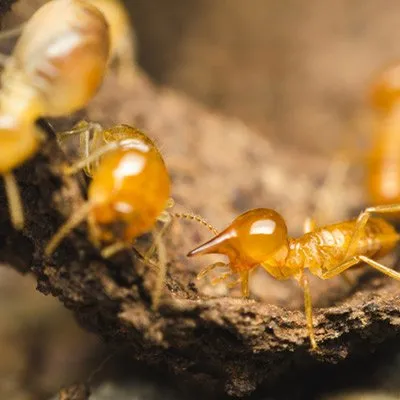 Pest & Termite Control Service[/caption]
Smart, Eco-Conscious Treatment Options
Liquid Barriers vs. Baiting Systems
When it comes to treatment, homeowners often choose between creating a chemical liquid barrier around the home or using bait stations. A liquid barrier acts as a continuous shield in the soil, killing termites that attempt to pass through it to reach the structure. Alternatively, baiting systems use a slow-acting toxicant that foraging termites carry back to the colony, effectively eliminating the population at its source.
The Green Advantage Safety Protocols
A passion for working with nature means selecting treatments that are tough on termites but safe for children, pets, and the local ecosystem. The Green Advantage prioritizes safety protocols that minimize environmental impact while maximizing efficacy against pests. By using targeted applications and low-toxicity products where possible, the goal is to solve the pest problem without introducing unnecessary risks to the household.
Long-Term Monitoring and Maintenance
Effective termite control is never a one-time event; it requires ongoing vigilance to ensure the protective measures remain intact. Annual inspections allow professionals to check for any breaches in the barrier or new signs of activity that may have arisen due to landscaping changes or weather events. Monitoring stations placed around the property serve as an early warning system, alerting technicians to pest pressure before it reaches the structure.
The Real Cost of Ignoring Pest Control
Prevention vs. Restoration Costs
The financial reality of termite and pest control is stark: investing in preventative measures is a fraction of the cost compared to the massive expense of restoration. Repairing structural beams, replacing hardwood flooring, and rebuilding compromised wall studs can run into thousands, if not tens of thousands, of dollars. Preventative treatments and inspections are a small, predictable expense that acts as insurance against these overwhelming repair bills.
Why Homeowners Insurance Often Denies Claims
Many homeowners are shocked to discover that their insurance policies typically classify termite damage as "preventable," meaning claims for repairs are often denied. Insurers view infestations as a maintenance issue that the homeowner should have addressed, leaving the property owner solely responsible for the costs.
Protecting Your Property Value
Whether a homeowner plans to sell in the near future or stay in the home forever, a history of termite damage can significantly lower the property's market value. During the sales process, a wood-destroying insect inspection is standard, and evidence of past or present infestation can derail a sale or force a drastic reduction in the asking price.
Why Choosing a Local Expert Matters
Knowledge of Local Pest Trends
Every region has specific soil types, weather patterns, and insect behaviors that influence how infestations occur. The Green Advantage leverages deep knowledge of these local trends to predict and prevent infestations specific to the community's environment. Understanding whether the neighborhood is prone to particular termite species or if local soil conditions degrade treatments faster allows for more accurate planning.
A Relationship Built on Trust
When calling The Green Advantage, a customer isn't routed to a distant call center but speaks with helpful staff who live in the community and care about solving unique problems. This direct line of communication builds a relationship based on trust and accountability.
Customized Solutions for Local Homes
Cookie-cutter solutions simply do not work for every house, as construction styles and neighborhood-specific environmental factors vary widely. The approach is always tailored to the specific needs of the property, whether it is a historic home with a stone foundation or a new build on a slab. By customizing the pest & termite control strategy, technicians ensure that the treatment addresses the specific vulnerabilities of the structure.
[caption id="attachment_698" align="aligncenter" width="400"] Pest & Termite Control Specialist[/caption]
Conclusion
The threat of termites and other wood-destroying pests is a silent but serious reality for homeowners. While they may be invisible to the naked eye for long periods, their impact on a home's structure and value is very real. Early detection and consistent prevention are the most effective tools for avoiding the financial burden and emotional stress of an infestation. Waiting until damage is visible often means waiting too long, turning a manageable maintenance issue into a major renovation project.
Ready to protect your home? Contact the knowledgeable team at The Green Advantage today. Let licensed professionals provide a thorough inspection and a plan that fits the household's needs perfectly.
The Green Advantage
https://maps.app.goo.gl/wzz1BewPEdKx96pQ6
14451 Reeder Rd, Crown Point, IN 46307, United States
(219) 779-9815
https://thegreenadvantage.biz/

Wasp Exterminator Near Me: How to Handle Aggressive Nests Safely
There is nothing quite like the panic that sets in when a relaxing afternoon in the backyard is interrupted by the aggressive buzz of a stinging insect. For many homeowners, spotting a single wasp is a nuisance, but discovering a nest attached to the eaves or hidden within a shrub transforms that nuisance into a genuine safety hazard. While bees are generally docile and crucial for pollination, their wasp cousins—particularly yellow jackets, paper wasps, and hornets—can be unpredictable, territorial, and downright dangerous when they feel their colony is threatened.
If you are currently noticing increased activity around your property, you might be tempted to handle it yourself. However, understanding the specific risks and the biology of these pests will show why searching for a "wasp exterminator near me" is often the safest first step. This guide allows you to identify what is buzzing around your home, understand the dangers of DIY removal, and learn how professional intervention protects your family and the ecosystem.
Identifying Common Aggressive Wasps in Our Area
Understanding Yellow Jackets
Yellow jackets are perhaps the most notorious of the stinging insects due to their highly defensive nature and tendency to ruin outdoor gatherings. These wasps are easily identified by their sleek, hairless bodies with distinct black and bright yellow markings. They are unique because they often nest in the ground, utilizing abandoned rodent burrows, but they are just as happy to build nests inside wall voids or attics.
Recognizing Paper Wasps
If you look up at the eaves of a house, the overhang of a porch, or the ceiling of a shed and see an open, umbrella-shaped nest, you are likely looking at the work of paper wasps. These insects have long legs that dangle when they fly and are typically brown with yellow or reddish markings.
Spotting Hornets (and Why They're a Concern)
Hornets, particularly the bald-faced hornet, represent a significant threat due to their size and the sheer number of defenders in a colony. Actually a type of yellow jacket, the bald-faced hornet is black with white markings on its face and builds large, enclosed, football-shaped paper nests that hang from tree branches or sturdy structures.
[caption id="attachment_186" align="aligncenter" width="600"] Wasp Extermination[/caption]
The Dangers of DIY Wasp Nest Removal
The Risk of Multiple Stings
One of the most dangerous aspects of dealing with social wasps is their ability to communicate through chemistry. When a wasp is threatened or killed, it releases a specific alarm pheromone that acts as a distress signal to the rest of the colony. This scent triggers a frenzy, causing the other wasps to emerge from the nest ready to attack the perceived threat.
Allergic Reactions and Anaphylaxis
For a significant portion of the population, a wasp sting is more than just painful; it is a potential medical emergency. Insect sting allergies can develop at any time, meaning that someone who has never had a reaction before could suddenly experience anaphylaxis, a severe and potentially life-threatening condition that restricts breathing and causes a drop in blood pressure.
Ineffective Treatments and Lingering Problems
Many over-the-counter wasp sprays rely on contact killing, which requires the user to get dangerously close to the nest and often fails to penetrate the colony's core. If the treatment does not kill the queen, the colony will simply rebuild, often in a more difficult-to-reach location.
Why Professional Extermination is the Safest Choice
Proper Safety Gear and Equipment
Licensed professionals at The Green Advantage arrive at a property equipped with specialized protective suits that cover them from head to toe, including thick gloves and veiled hoods. This gear allows technicians to approach a nest calmly and effectively without the fear of being stung, which is essential for a thorough job. Beyond the suit, they utilize extending poles and specialized dusting equipment that allows them to treat nests high in the eaves or deep in the ground while maintaining a safe distance.
Targeted and Effective Treatment Methods
Store-bought chemicals are often diluted and rely on broad-spectrum ingredients that can be harmful to the surrounding environment if misused. Professionals have access to industry-leading, restricted-use products that are specifically formulated to target the biology of wasps.
Guaranteed Results and Peace of Mind
Hiring a service like The Green Advantage means investing in a solution rather than a temporary fix. There is a profound peace of mind that comes with knowing a knowledgeable, licensed professional has assessed the situation and handled the removal. Unlike a DIY attempt which might leave you wondering if the wasps will return the next day, professional services come with the assurance that the job is done correctly, and if the pests persist, the technicians will return to make it right.
Understanding the Wasp Life Cycle and Nesting Habits
Spring Awakening: The Queen's Role
The wasp life cycle begins in early spring when the fertilized queens emerge from their winter hibernation spots, such as under bark or in attics. At this stage, the queen is solitary and vulnerable as she begins to build a small paper nest and lay her first batch of eggs. This is the absolute best time for preventative measures and early extermination because eliminating the queen at this stage prevents a colony of thousands from forming later in the year.
Summer Growth: The Colony Expands
As the weather warms and the first generation of worker wasps matures, the queen stops foraging and remains in the nest solely to lay eggs. During the summer months, the colony's population explodes exponentially, with workers tirelessly foraging for insects and protein to feed the developing larvae. This is when nests grow rapidly in size, and while the wasps are busy, they are generally focused on food gathering, though the sheer number of insects flying in and out can become intimidating for homeowners.
Late Season Aggression: Why Wasps Get Angry
By late summer and early autumn, the colony has reached its peak size, and the natural food sources begin to decline. The queen stops laying worker eggs and produces new queens and males for the next season, changing the colony's dynamic. The workers, now with less sugar and protein available to them, become "hangry" and scavenge more aggressively for human food and sweet drinks, leading to increased conflict with humans and a much higher likelihood of stinging incidents.
[caption id="attachment_664" align="aligncenter" width="600"]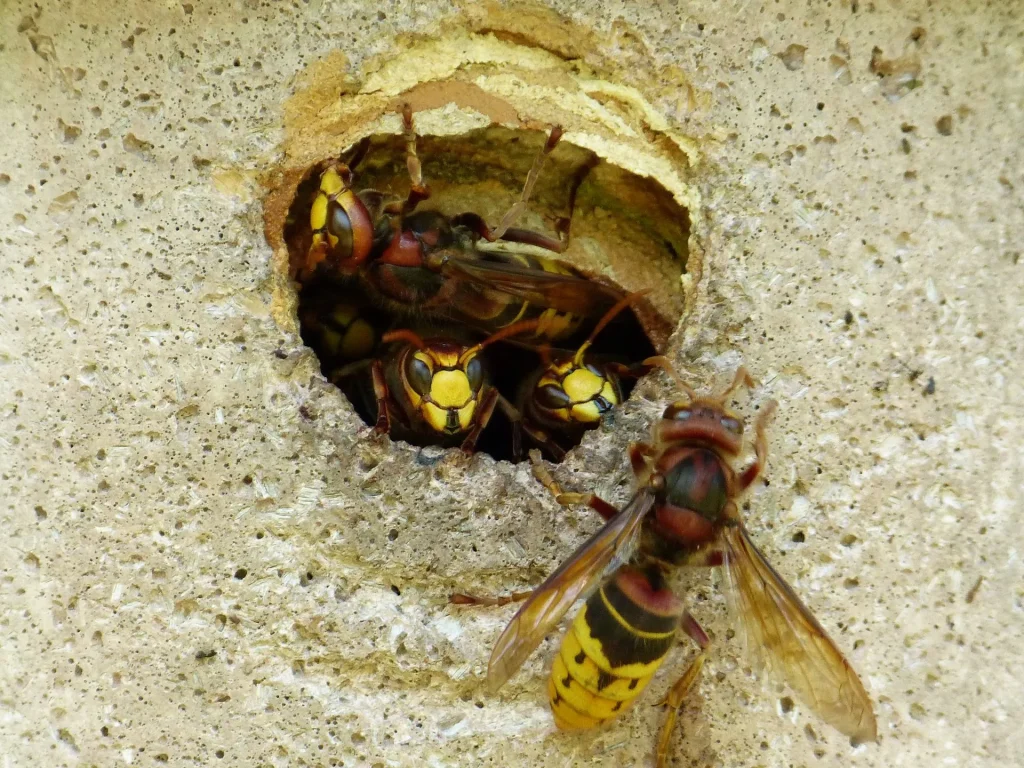 Wasp Extermination Service[/caption]
Locating Hidden Wasp Nests Around Your Property
Observing Flight Patterns
One of the most reliable ways to locate a hidden nest is to spend a few minutes simply watching the flight paths of the wasps in the yard. Wasps generally travel in a direct line when returning to the colony; if you see a consistent stream of insects flying toward a specific shrub, a gap in the siding, or a hole in the ground, you have likely found the "highway" to their home.
Common Outdoor Hiding Spots
A visual inspection of the property should focus on areas that offer shelter and structural support for a nest. Common locations include the underside of roof eaves, the corners of porch ceilings, the interior of dense hedges or ornamental shrubs, and the inside of infrequently used sheds or playhouses. Ground-nesting yellow jackets often choose spots near the base of trees or under piles of firewood, so looking for small holes in the earth with activity around them is a good practice during yard work.
Nests Inside Your Home: Wall Voids and Attics
Sometimes, the call for a "wasp exterminator nearby" is prompted by a scary discovery inside the house. Wasps can enter through small cracks in the exterior and build nests inside wall voids, attics, or behind chimneys. The signs of an indoor infestation can be subtle, such as a faint scratching or tapping sound coming from a wall or ceiling, or the sudden appearance of sluggish wasps inside living spaces, which often indicates they are finding their way in from a hidden nest structure nearby.
What to Expect During a Professional Wasp Extermination Service
Initial Inspection and Assessment
The service visit begins with a detailed conversation and a thorough inspection by a knowledgeable technician who knows exactly what to look for. They will identify the specific species of stinging insect, locate all active nests—including those that might be hidden from plain view—and assess the risk level to the household and pets.
The Treatment Process Explained
Once the nests are located, the technician will walk through the treatment plan, explaining the specific products that will be utilized and the safety protocols that need to be followed. This ensures the family and pets remain indoors and safe while the treatment is applied. The Green Advantage prioritizes transparency, so the homeowner understands how the chosen method will effectively neutralize the colony while minimizing any unnecessary exposure to the surrounding environment.
Nest Removal and Post-Treatment Advice
After the treatment has successfully eliminated the colony activity, the physical removal of the nest takes place, provided it is accessible. Removing the nest structure is important to prevent secondary pests, like carpet beetles, from moving in to feed on the debris. Following the removal, the technician provides valuable post-treatment advice, such as how long to stay away from the area and tips on spotting early signs of rebuilding to prevent future headaches.
How The Green Advantage Prioritizes Eco-Friendly Solutions
Our Commitment to Responsible Pest Control
The Green Advantage operates with a philosophy that prioritizes working with nature rather than fighting against it. The goal is always to solve the pest problem with the minimum amount of product necessary, using targeted applications that deal with the specific threat without blanketing the entire property in chemicals.
Integrated Pest Management (IPM) Techniques
Beyond immediate wasp extermination, The Green Advantage utilizes Integrated Pest Management (IPM) strategies to provide long-term solutions. This involves looking at the root causes of the infestation—such as available food sources or structural vulnerabilities—and recommending habitat modifications.
Protecting Pollinators While Targeting Pests
One of the most critical aspects of professional service is the ability to distinguish between a dangerous pest and a beneficial pollinator. Experienced technicians can instantly tell the difference between aggressive yellow jackets and gentle honeybees or bumblebees. By strictly targeting the aggressive species and avoiding flowering plants during treatment, The Green Advantage ensures that the vital pollinators in the garden are protected, maintaining the ecological balance of the backyard.
[caption id="attachment_665" align="aligncenter" width="600"] Wasp Extermination Expert[/caption]
Preventative Measures to Keep Wasps Away for Good
Sealing Entry Points on Your Home
To prevent wasps from moving into wall voids or attics, a physical barrier is the best defense. Homeowners are encouraged to inspect the exterior of their house and seal cracks in the foundation, caulk gaps around utility lines and window frames, and repair any holes in window screens. Installing fine mesh covers over attic vents and soffits can also effectively block access to the warm, sheltered spaces that queens love to use for overwintering or nesting.
Managing Food and Trash Sources
Wasps are essentially scavengers, and they will happily set up shop near an easy buffet. Keeping garbage can lids tightly secured and regularly washing out bins to remove sticky residue reduces the attractants that draw wasps in. Additionally, cleaning up fallen fruit from trees, covering food during outdoor meals, and managing compost piles properly will ensure that the yard does not become a prime feeding ground for foraging yellow jackets.
Landscaping Tips to Deter Nesting
Strategic landscaping can make a yard less hospitable to nesting insects. Regularly trimming back dense shrubs and trees allows for better visibility and reduces the secluded spots that paper wasps prefer. Removing rotting wood or old stumps eliminates potential nesting sites for ground-dwelling species, and simply maintaining a tidy yard makes it much harder for a colony to establish itself unnoticed.
Conclusion
Dealing with aggressive wasps is a serious matter that impacts the safety and comfort of your home. While the DIY route might seem tempting, the risks of multiple stings, allergic reactions, and ineffective results make it a gamble that is rarely worth taking. Understanding the behavior of these insects and the complexities of safe removal highlights why professional intervention is the standard for responsible homeownership.
At The Green Advantage, your safety is the top priority. With a commitment to eco-friendly practices, deep knowledge of local pests, and a dedication to customer satisfaction, you can trust that the problem will be handled with care and expertise. Do not wait for a sting to happen or for a small nest to become a massive colony. If you have spotted a wasp nest or aggressive activity, contact your local, knowledgeable professionals at The Green Advantage today for a consultation and let the experts help you reclaim your outdoor space safely.
The Green Advantage
https://maps.app.goo.gl/wzz1BewPEdKx96pQ6
14451 Reeder Rd, Crown Point, IN 46307, United States
(219) 779-9815
https://thegreenadvantage.biz/
From Pantry to Attic: The Ultimate Guide to Mice Control
Noticed scratching in the walls, droppings near the toaster, or gnawed cereal boxes? These subtle signs could mean mice have invaded your home. More than just a nuisance, mice can cause structural damage and pose serious health risks. Their rapid breeding can quickly turn a small problem into a full-blown infestation.
Ignoring the issue won’t make it go away—mice thrive in warm, food-rich spaces and won’t leave on their own. Effective mice control requires more than setting a trap; it involves sealing entry points, understanding their behavior, and knowing when to call in professionals.
This guide covers everything you need to know to reclaim your home, from attic to pantry, and keep mice out for good.
Identifying a Mouse Infestation
Before you can solve the problem, you must confirm you have one. Mice are nocturnal and notoriously elusive, so you will likely see evidence of their presence long before you spot a live rodent. Being able to recognize the early warning signs can save you hundreds of dollars in damage repairs later.
The Telltale Signs
Signs of a mouse infestation include droppings, gnaw marks, noises, and odors. Mouse droppings are small, dark, and pointed, often found near baseboards, cabinets, or appliances. Fresh droppings are soft, while dry ones indicate an older problem. Look for gnaw marks on food packaging, wires (a potential fire hazard), or wooden surfaces, as mice chew constantly to control their growing teeth. At night, listen for scratching, scurrying, or squeaking in walls, ceilings, or floors. A strong, musky odor caused by urine may indicate a large infestation. Pets, like cats or dogs, may also alert you by focusing on areas where they sense mice.
Common Entry Points
Mice are incredibly agile and can squeeze through openings as small as a dime. Understanding how they get inside is crucial for stopping them.
- Foundation cracks: Even hairline fractures in your foundation can be widened by determination and sharp teeth.
- Utility lines: Gaps around pipes, gas lines, and electrical conduits entering the home are essentially highways for rodents.
- Vents and chimneys: Unscreened attic vents and dryer vents offer easy access.
- Doors and windows: Worn-out weather stripping or gaps under garage doors provide effortless entry.
- Rooflines: Mice are excellent climbers. Overhanging tree branches can act as bridges to your roof, where they can enter through gaps in the eaves or fascia.
The Hidden Health Risks
It is vital to treat a mouse problem as a health issue, not just a pest issue. Mice are known carriers of various diseases that can be transmitted to humans directly or indirectly.
Hantavirus Pulmonary Syndrome is a severe respiratory disease transmitted through contact with infected rodent urine, droppings, or saliva. Breathing in dust contaminated with these waste products can also cause infection. Salmonellosis is another risk, often spread when mice contaminate food preparation surfaces or stored food. Additionally, mice can bring fleas, ticks, and mites into your home, introducing a secondary layer of pests to deal with.
[caption id="attachment_482" align="aligncenter" width="800"] Mice Control Service[/caption]
DIY Mice Control Methods
If you have caught the problem early, or if the infestation seems minor, you may want to try handling it yourself. There are several methods available, ranging from natural deterrents to mechanical traps.
Natural Repellents
For those who prefer a chemical-free approach or want to deter mice from entering in the first place, natural repellents can be a good first line of defense. However, keep in mind that these are often less effective against an established colony than they are as preventative measures.
Peppermint Oil: Mice have a very sensitive sense of smell, and the strong scent of peppermint can be overwhelming for them. To use this method, soak cotton balls in 100% pure peppermint oil and place them in areas where you suspect mouse activity, such as entryways and pantries. The scent dissipates over time, so you will need to replace the cotton balls every few days.
Bay Leaves: Some homeowners find success using dried bay leaves. You can scatter these in corners of cabinets or pantries. The pungent aroma is unpleasant to rodents.
Steel Wool: While not a scent repellent, steel wool is a physical deterrent that belongs in the natural category. Mice cannot chew through steel wool because it irritates their teeth and gums. Stuffing gaps and holes with coarse steel wool (often combined with a caulking compound) is an effective way to block entry points without using harsh chemicals.
Trapping Techniques
When repellents aren't enough, trapping is the next logical step. The key to successful trapping is not just the type of trap, but where you place it.
Snap Traps: The classic wooden snap trap is still one of the most effective and humane ways to kill mice quickly. Peanut butter is often a better bait than cheese, as it is sticky and emits a strong aroma. Place traps perpendicular to walls, with the trigger end facing the baseboard. Mice instinctively travel along walls for protection, so this placement intercepts their natural path.
Humane Traps: If you prefer not to kill the mice, live catch traps are available. These are boxes or cages that trap the mouse inside without harming it. Once caught, you must release the mouse at least a mile away from your home to prevent it from returning. Be diligent about checking these traps daily; leaving a mouse trapped for too long is cruel and can lead to the animal dying of stress or dehydration.
Electronic Traps: These traps use a high-voltage shock to kill mice instantly. They are generally safe to use around pets and children since the mechanism is enclosed, and they offer a "no-touch, no-see" disposal method.
Sealing the Perimeter
Trapping reduces the population, but sealing entry points stops the invasion. This process, known as exclusion, is the most important part of long-term control.
Grab a flashlight and inspect the exterior of your home. Look for gaps around windows, doors, and foundations. Use silicone caulk for small cracks and a combination of copper mesh or steel wool and foam sealant for larger holes. Don't forget to check the attic and roofline. Installing door sweeps on exterior doors and repairing damaged screens can also make a significant difference.
When DIY Isn't Enough: Professional Pest Control
There comes a point where DIY methods may fail. If you are catching mice daily but see no reduction in signs, or if you hear activity in the walls that you cannot reach, the infestation has likely outgrown simple trapping.
Breeding cycles are the main enemy here. A female mouse can produce up to 10 litters a year, with each litter containing 5-6 pups. If your DIY methods aren't catching them faster than they are breeding, you are fighting a losing battle.
This is when it is time to call in experts like The Green Advantage.
Why Choose The Green Advantage?
Professional pest control services offer expertise and tools that the average homeowner simply doesn't have. The Green Advantage specializes in integrated pest management, which focuses on long-term prevention and environmentally responsible solutions rather than just spraying chemicals.
Professionals can:
- Identify the species: Not all rodents behave the same way. Knowing exactly what you are dealing with helps in formulating a plan.
- Locate hidden nests: Experts know where to look, including inside insulation and hard-to-reach crawl spaces.
- Safely handle rodenticides: If chemical control is necessary, professionals know how to apply it safely to minimize risks to your family, pets, and local wildlife.
- Perform comprehensive exclusion: The Green Advantage team can identify structural vulnerabilities you might miss and seal your home effectively against future intruders.
Hiring a professional also saves you the emotional stress and "ick factor" of dealing with dead rodents and cleaning up hazardous waste.
[caption id="attachment_692" align="aligncenter" width="800"] Mice Control[/caption]
Preventing Future Infestations
Once you have evicted your unwanted guests, the goal is to keep them out permanently. Prevention requires a combination of sanitation and vigilance.
Storage Solutions
Your pantry is a mouse's paradise. Cardboard boxes and thin plastic bags offer zero protection against gnawing teeth. To mouse-proof your kitchen:
- Transfer cereals, grains, pet food, and baking supplies into airtight, heavy-duty plastic or glass containers.
- Store bulk items, such as large bags of bird seed or dog food, in metal bins with tight-fitting lids.
- Keep food off the floor. Use shelving units to elevate items, making it harder for mice to reach them and easier for you to spot droppings underneath.
Cleanliness and Sanitation
Mice are foragers. If there is no food source, they have little reason to stay.
- Clean up spills immediately: Even a few crumbs under the fridge can sustain a mouse.
- Manage garbage: Use a trash can with a secure lid and take the trash out regularly.
- Limit outdoor food: If you have bird feeders, keep them away from the house and clean up fallen seeds. Do not leave pet food bowls outside overnight.
- Declutter: Mice love clutter because it provides nesting material and hiding spots. Keep storage areas like basements, attics, and garages organized. Avoid storing boxes directly on the floor.
Ongoing Maintenance
Make pest inspection part of your seasonal home maintenance routine. In the fall, before the weather turns cold and mice start looking for winter shelter, do a perimeter check. Trim back vegetation and tree branches so they don't touch your house, cutting off their "bridges" to your roof. Check your weather stripping and replace it if it's cracked or worn.
Reclaiming Your Home
Dealing with mice can be frustrating and unsettling. It disrupts the peace of your home and introduces unnecessary health risks. However, by understanding the signs of infestation and taking proactive steps—from natural deterrents to strategic trapping—you can regain control.
Remember that while DIY methods are great for minor issues, there is no shame in admitting you need reinforcements. Companies like The Green Advantage exist to handle the heavy lifting, ensuring your home is safe, sanitary, and secure.
A mouse-free home is a healthier, happier home. Whether you are sealing up a small crack in the foundation or reorganizing your pantry, every step you take brings you closer to a pest-free environment. Don't wait for the scratching in the walls to get louder; take action today to protect your space from pantry to attic.
The Green Advantage
https://maps.app.goo.gl/wzz1BewPEdKx96pQ6
14451 Reeder Rd, Crown Point, IN 46307, United States
(219) 779-9815
https://thegreenadvantage.biz/
Wasp Nest Removal Near Me: Fast, Safe, and Stress-Free Solutions
Few things ruin a summer day like a wasp infestation. One buzzing around your picnic is annoying, but finding a nest near your home turns your backyard into a danger zone. Wasps pose a serious safety risk, especially for those with allergies, making everyday activities feel stressful.
While DIY sprays might seem like a quick fix, dealing with territorial insects requires expertise. That’s where The Green Advantage comes in. Finding wasp nest removal near me are safe, effective, and eco-friendly, giving you back your outdoor space without putting your family or pets at risk.
Understanding Wasps and Their Nests
Before tackling the problem, it helps to understand what you are up against. Not all buzzing insects are the same, and identifying the culprit is the first step in safe removal.
Common Types of Wasps in the Area
In our region, you are most likely to encounter three main types of stinging insects:
- Yellowjackets: These are the most aggressive. They are often mistaken for bees due to their black and yellow stripes, but their bodies are shiny and hairless. They can nest in the ground, in wall voids, or hanging from eaves. They are known for scavenging meat and sugary drinks at barbecues.
- Paper Wasps: These wasps have slender bodies and long legs that dangle when they fly. They are generally less aggressive than yellowjackets but will sting if their nest is threatened.
- Hornets: specifically the Bald-faced Hornet, are actually a type of yellowjacket. They are larger, black with white markings on their face, and build football-sized paper nests in trees or on the sides of buildings. They are incredibly protective and will attack in large numbers.
[caption id="attachment_665" align="aligncenter" width="800"] Wasp Nest Removal Service[/caption]
Identifying a Nest
You might not always see the nest itself, but you will often see the traffic.
- Paper Wasp Nests: These look like open umbrellas made of a papery substance. You can see the open combs where the larvae are raised. They are often found under eaves, porch ceilings, or window ledges.
- Yellowjacket Nests: If they are aerial, the nest is enclosed in a grey, papery shell. However, yellowjackets frequently build nests underground in abandoned rodent burrows or inside wall cavities of homes.
- Hornet Nests: These are large, grey, enclosed paper structures often found high in trees or on overhangs.
The Dangers of Disturbance
Wasps are not like honeybees; they do not lose their stinger after one attack. A single wasp can sting repeatedly, injecting venom each time. Furthermore, when a nest is disturbed, wasps release an alarm pheromone that signals the rest of the colony to attack. What starts as a minor annoyance can escalate into a swarm of hundreds of angry insects in seconds. This is particularly dangerous for small children, pets, or anyone with a venom allergy.
Why Professional Wasp Nest Removal is Necessary
When you discover a nest, the temptation to handle it yourself can be strong, especially with the abundance of "wasp killer" sprays available at local stores. However, professional intervention is almost always the safer, smarter choice.
The Risks of DIY Methods
DIY removal often goes wrong. Standing on a ladder to spray a nest puts you in a precarious position if a swarm emerges. Spraying a nest entrance in a wall void can backfire disastrously; if the wasps can't get out the way they came in, they may chew through drywall and emerge inside your living room. Furthermore, many over-the-counter sprays require you to get dangerously close to the nest to be effective.
Safety Equipment and Expertise
Professional exterminators don't just walk up to a nest in a t-shirt. They utilize specialized protective gear—thick bee suits, veils, and gloves—that renders stings ineffective. Beyond the gear, professionals have the knowledge to identify the species and behavior patterns. They know that treating a hornets' nest at noon is a bad idea, whereas treating it at dusk when the colony is dormant is much safer.
Ensuring Complete Removal
One of the biggest issues with DIY attempts is incomplete removal. You might kill the wasps you see on the outside, but if the queen and the larvae deep inside survive, the colony can recover or relocate nearby. Professionals ensure the entire colony is neutralized. We also inspect for satellite nests and potential entry points to prevent the problem from recurring a few weeks later.
The Green Advantage: Your Local Wasp Nest Removal Experts
When searching for "wasp nest removal," you want a company that prioritizes both efficacy and environmental responsibility. At The Green Advantage, we have built our reputation on doing exactly that.
Experience You Can Trust
We aren’t just general handymen; we are pest control specialists. Our team undergoes rigorous training on insect biology and safe handling procedures. We have seen it all, from massive hornet nests in attics to ground hives in children’s play areas. We understand the specific behaviors of local wasp species, allowing us to target them accurately.
Eco-Friendly Commitments
The name "The Green Advantage" isn't a gimmick. We believe that pest control shouldn't come at the cost of your local ecosystem. Traditional pest control often relies on blanket spraying of harsh chemicals that can harm beneficial pollinators like honeybees and butterflies, or pose risks to pets.
We utilize integrated pest management (IPM) techniques. This means we focus on targeted treatments that deal specifically with the nest in question, minimizing chemical runoff and non-target exposure. We use the most eco-conscious products available that still get the job done effectively.
[caption id="attachment_664" align="aligncenter" width="800"] Wasp Nest Removal Expert[/caption]
The Wasp Nest Removal Process: What to Expect
If you have never hired a professional for wasp removal, you might be wondering how the process works. Here is a step-by-step look at what happens when you call The Green Advantage.
Inspection and Identification
When our technician arrives, they won't just start spraying. The first step is a thorough inspection. We identify the species of wasp, locate the main nest, and look for any secondary nests. We also assess the structural environment—is the nest in a wall, underground, or high up? This assessment determines the treatment plan.
The Removal Strategy
Once we have a plan, we communicate it to you. We will advise you to keep pets and children indoors and close all windows.
- For Exposed Nests: We may treat the nest directly with a specialized product that neutralizes the wasps on contact. Once the colony is inactive, we physically remove the nest structure.
- For Concealed Nests (Wall Voids/Ground): We use insecticidal dusts or aerosols that are injected into the entry point. As the wasps enter and exit, they carry the product deep into the nest, eliminating the queen and the larvae. In these cases, we often leave the entry point open for a short time to allow returning foragers to be exposed to the treatment.
Post-Removal Safety
After the treatment, we ensure the area is safe. If we physically removed a nest, we clean the area to remove pheromone trails that might attract other wasps. We also provide a report on what was done and advise on when it is safe to return to that part of the yard.
DIY vs. Professional Removal: A Comparison
When dealing with a wasp infestation, choosing between DIY methods and professional removal is an important decision. DIY removal often involves using store-bought sprays, traps, or homemade solutions. While this can be more budget-friendly, it comes with significant risks. Approaching a wasp nest without proper protective gear or expertise increases the chance of painful stings and potential allergic reactions. Additionally, DIY methods may not fully eliminate the problem, leaving behind hidden nests or failing to address the queen and larvae, which can lead to recurring infestations.
On the other hand, professional removal services offer several advantages. Trained specialists have the knowledge, equipment, and experience to handle infestations safely and effectively. They can accurately identify the type of wasps, apply targeted treatments, and ensure thorough removal to prevent re-infestation. Professionals also provide guidance on preventative measures and can address infestations in hard-to-reach or hazardous locations with minimal risk. While the upfront cost may be higher than DIY methods, the long-term effectiveness and safety provided by professional removal make it a worthwhile investment for many homeowners.
Preventing Future Wasp Problems
Once the immediate threat is gone, you want to make sure they don't come back. While you can't control nature entirely, you can make your property less attractive to nesting queens.
Seal Entry Points
Early spring is the best time for this. Inspect your home's exterior for cracks in the siding, gaps around utility pipes, and unsealed vents. Use caulk or expanding foam to seal these gaps. This prevents queens from overwintering in your walls or building nests in voids.
Maintain Your Yard
Wasps are attracted to food sources.
- Cover Trash: Ensure all garbage cans have tight-fitting lids.
- Clean up Fruit: If you have fruit trees, pick up fallen fruit immediately. Rotting fruit is a magnet for yellowjackets.
- Fill Holes: If you have rodent burrows in your lawn, fill them in with soil to prevent ground-nesting wasps from moving in.
Preventative Treatments
If your home has a history of wasp issues, The Green Advantage offers preventative exterior treatments. We can apply a barrier treatment to eaves, overhangs, and likely nesting sites early in the season. This discourages queens from establishing colonies on your structure in the first place.
[caption id="attachment_503" align="aligncenter" width="800"] Wasp Nest Removal[/caption]
Cost of Wasp Nest Removal Services
One of the first questions homeowners ask is, "How much will this cost?" The truth is, it varies.
Factors Affecting Price
- Location of the Nest: A nest hanging from a low tree branch is easier (and cheaper) to remove than a nest inside a second-story wall void or a chimney.
- Size of the Infestation: A small paper wasp nest is a different job than a massive yellowjacket colony that has been growing for months.
- Accessibility: Does the technician need a specialized ladder, scaffolding, or crawling equipment to reach the nest?
Get a Free Consultation
At The Green Advantage, we believe in transparency. We don't want you to worry about hidden fees. We offer free phone consultations and can often give you a ballpark estimate based on your description. For more complex situations, we can assess the site and provide a quote before any work begins.
Reclaim Your Yard Today
Summer is too short to spend it hiding indoors. Wasp nests are not just a nuisance; they are a legitimate danger to your household’s safety. Trying to tackle them yourself is a gamble that rarely pays off.
By choosing The Green Advantage, you are choosing a solution that is fast, effective, and environmentally conscious. We take the sting out of summer so you can get back to barbecues, gardening, and relaxing in peace.
Don’t wait for the swarm to get bigger. Contact The Green Advantage today for expert wasp nest removal near you.
The Green Advantage
https://maps.app.goo.gl/wzz1BewPEdKx96pQ6
14451 Reeder Rd, Crown Point, IN 46307, United States
(219) 779-9815
https://thegreenadvantage.biz/

The Homeowner’s Guide to Finding the Best Ant Exterminator Near Me
It starts with a single scout. You spot a lone ant wandering across your kitchen counter. You squash it, wipe the surface, and think the problem is solved. But the next morning, that solitary scout has been replaced by a marching line of hundreds, trailing from a crack in the window sill to your sugar bowl.
Ant invasions are among the most common and frustrating household pest issues. While they might seem like a minor nuisance compared to termites or rodents, ants can contaminate food, damage property (in the case of carpenter ants), and generally make your home feel unclean. When an infestation takes hold, the immediate reaction is often panic, followed by a frantic search for "ant exterminator near me"
Finding a reliable professional isn't just about picking the first name on a search results page. It requires understanding why the infestation happened, knowing what separates a quick fix from a long-term solution, and selecting a partner who values safety as much as efficacy. This guide will walk you through everything you need to know to reclaim your home from these persistent invaders.
Why DIY Ant Control Often Fails
The shelves of your local hardware store are stocked with sprays, baits, and traps that promise to eliminate ants instantly. It is tempting to grab a can of bug spray and go to war. However, most homeowners find that these DIY methods are temporary at best.
- You're only seeing the tip of the iceberg: The ants you see are just a small fraction of the colony. Killing these worker ants won't stop the queen, who remains hidden in the nest, from laying more eggs and replenishing the population.
- Using the wrong bait: Different ant species have different dietary needs. If you use a sugar-based bait for ants that prefer protein, they will simply ignore it. Additionally, if the bait works too quickly, the worker ant won't have time to carry the poison back to the queen.
- Making the problem worse: Certain species, like Pharaoh ants, respond to repellent sprays by splitting into multiple smaller colonies—a process known as "budding." This can spread the infestation throughout your home, turning a minor issue into a major one.
[caption id="attachment_491" align="aligncenter" width="800"] Ant Exterminator[/caption]
Factors to Consider When Choosing an Ant Exterminator
When you decide it’s time to call in the professionals, you want to ensure you are hiring a company that can solve the problem permanently. Here are the key factors to evaluate during your search.
Licensing and Certification
This is the non-negotiable baseline. Pest control involves the use of chemicals that, if mishandled, can be dangerous to humans, pets, and the environment. Ensure the company holds a current license to operate in your state. Additionally, look for technicians who are certified. This indicates they have undergone specific training on insect biology, safety protocols, and application techniques.
Experience with Specific Species
"Ants" is a broad category. Managing Odorous House Ants requires a different strategy than managing Carpenter Ants or Fire Ants. Ask potential exterminators about their experience with the specific type of ant you are seeing. A qualified professional should be able to identify the species quickly, as this identification dictates the treatment plan.
Reputation and Reviews
Online reviews provide a wealth of information about a company's reliability. Look for patterns in the feedback. Do customers mention that the technicians were on time? Did the ants come back after a week? How did the company handle follow-up requests? While a negative review here or there is normal, a pattern of poor communication or ineffective treatments is a red flag.
Guarantees and Follow-Up Policies
Ants are resilient. Even the best treatment might require a follow-up visit, especially for large, established colonies. Reputable companies usually offer a guarantee—often a 30-day or 60-day window during which they will return and re-treat for free if the pests persist. Be wary of companies that offer no guarantee or charge full price for necessary follow-ups.
What to Expect During an Ant Extermination Service
Knowing what happens during a professional visit can help you prepare and set realistic expectations.
The Inspection
A high-quality service always begins with an inspection. The technician shouldn't just walk in and start spraying. They need to locate the entry points, identify the species, and try to find the nest. They will look in common problem areas like under sinks, around windows, in basements, and around the exterior foundation of your home.
The Treatment Plan
Once the inspection is complete, the ant exterminator will explain the situation. They should outline:
- The Species: What kind of ant you have.
- The Strategy: Whether they will use baits, non-repellent sprays, dusts, or a combination.
- The Locations: Where they will apply the treatments (interior vs. exterior).
- Safety Precautions: Any specific instructions for kids or pets (e.g., staying out of the room for two hours).
The Application
The actual treatment usually takes less than an hour, depending on the size of the home and the severity of the infestation. Modern pest control focuses on "Integrated Pest Management" (IPM), which means using the least toxic methods necessary and targeting the source rather than just spraying baseboards indiscriminately.
Questions to Ask Potential Exterminators
Before you sign a contract or allow someone into your home, treat the initial phone call like an interview. Here are five essential questions to ask:
"How do you identify the ant species before treating?"
- Why ask: If they say it doesn't matter, hang up. Identification is crucial for success.
"Are your treatments safe for children and pets?"
- Why ask: You need to know the toxicity levels and the re-entry time (how long you must wait before entering the treated area).
"What is your strategy for finding the nest?"
- Why ask: You want to ensure they are targeting the colony, not just the foragers.
"Do you offer a warranty on your work?"
- Why ask: This protects your wallet if the first treatment doesn't fully resolve the issue.
"Do you provide preventative recommendations?"
- Why ask: A good exterminator acts as a partner, helping you seal entry points and remove attractants to prevent future issues.
[caption id="attachment_245" align="aligncenter" width="800"]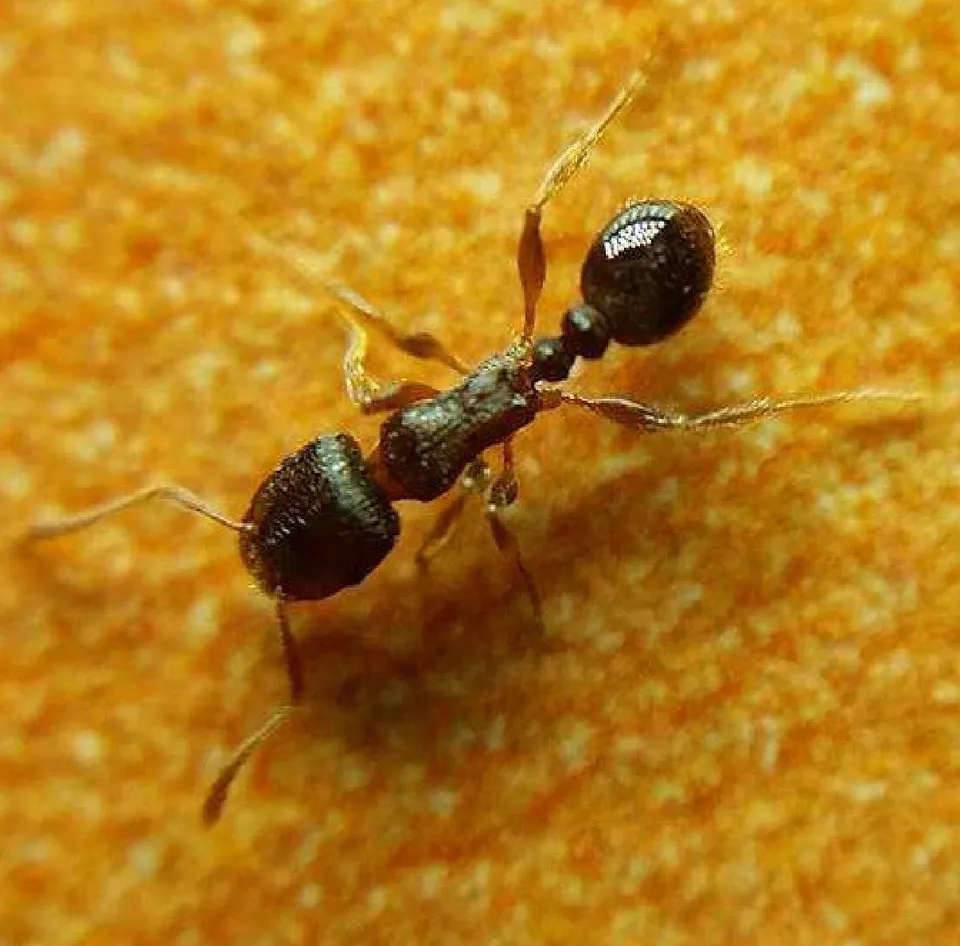 Ant Extermination Service[/caption]
The Green Advantage: Eco-Friendly Ant Control
As homeowners become more environmentally conscious, the demand for "green" pest control has skyrocketed. Many people worry about the impact of harsh chemicals on their indoor air quality, their garden's ecosystem, and the health of their vulnerable family members.
This is where companies like The Green Advantage stand out. Eco-friendly pest control doesn't mean "ineffective." In fact, it often means "smarter."
Reduced Toxicity
Green pest control utilizes products derived from natural sources, such as essential oils (peppermint, thyme, rosemary) or borates, which are less harmful to mammals but lethal to insects. These products break down faster in the environment, leaving less residual chemical load in your soil or groundwater.
Targeted Application
Standard pest control sometimes relies on the "spray and pray" method—covering a wide area with potent chemicals. Green approaches, like those used by The Green Advantage, focus on precision. By understanding the biology of the ant, technicians can place smaller amounts of product exactly where the ants will interact with it, minimizing exposure to non-target organisms (like ladybugs, bees, or your dog).
Focus on Exclusion
A major pillar of eco-friendly control is exclusion—physically blocking pests from entering. This involves sealing cracks, fixing screens, and addressing moisture issues. It is a chemical-free way to reduce infestations and is a core component of sustainable pest management.
Choosing a company that prioritizes these methods ensures that you are solving your ant problem without creating new environmental or health problems for your household.
Preparing Your Home for Ant Extermination
To get the best results from your professional service, a little preparation goes a long way. This helps the technician work efficiently and ensures the treatment adheres properly to surfaces.
- Clean the Floors: Vacuum and mop all hard floors. This removes crumb trails and pheromone trails that ants use to navigate. However, do not use strong detergents or bleach immediately after the treatment, as you might wash away the residual product.
- Clear Access Points: If the ants are coming in under the kitchen sink, remove the cleaning supplies so the technician can easily inspect the pipes. Pull furniture away from walls where you have seen ant activity.
- Put Food Away: Store all food in airtight containers or the refrigerator. This includes pet food. You want the ants to be attracted to the professional bait, not your leftover pizza or the dog's kibble.
- Cover Aquariums: If you have fish or reptiles, cover their tanks and turn off the air pumps during treatment, as they can be highly sensitive to airborne particles.
Post-Extermination Tips to Prevent Re-Infestation
Once the exterminator leaves, the battle isn't entirely over. You have a role to play in keeping your home ant-free.
Be Patient
This is the hardest part. If the ant exterminator used bait, you might actually see more ants for a few days. This is normal. The ants are flocking to the bait to carry it back to the colony. Do not kill these ants! Let them do their job. The population should drop off significantly within 3 to 7 days.
Eliminate Moisture
Ants need water just as much as they need food. Carpenter ants, in particular, are drawn to damp wood. Fix leaky faucets, ensure your gutters are draining away from the foundation, and run a dehumidifier in damp basements.
Seal Entry Points
Once the colony is dead, seal the cracks they used to get in. Use silicone caulk around windows, doors, and baseboards. Install door sweeps on exterior doors. This physical barrier makes it much harder for the next colony to scout your home.
Maintain a Clean Perimeter
Trim back trees and shrubs so they don't touch your house. Ants use branches as bridges to bypass treated soil and enter through the roof or upper windows. Keep mulch and firewood stacks at least a few feet away from the foundation.
[caption id="attachment_243" align="aligncenter" width="800"]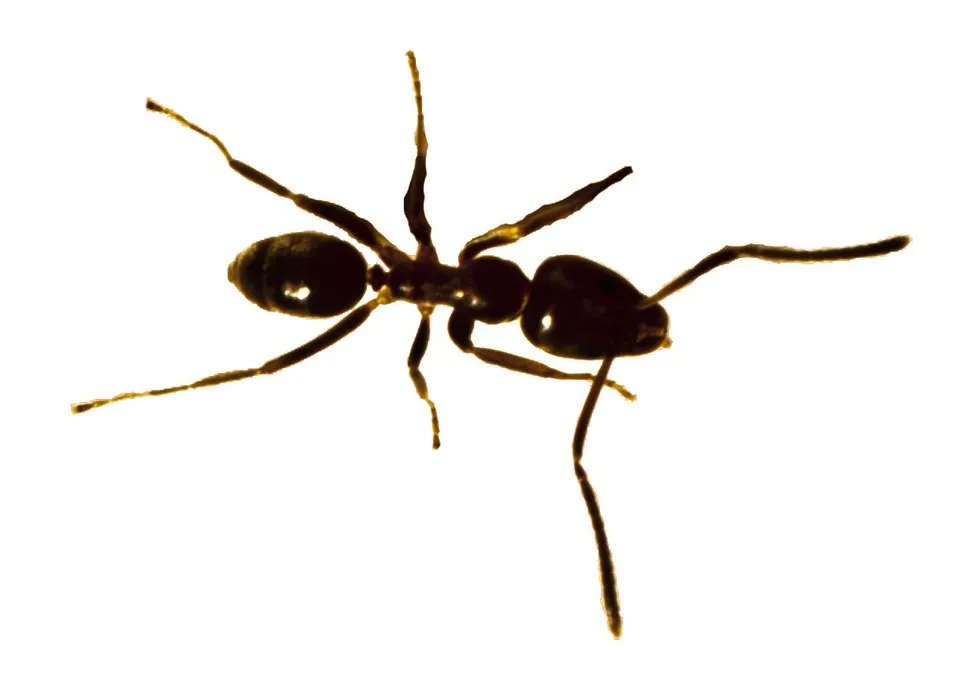 Ant Extermination[/caption]
A Pest-Free Home is Within Reach
Ants are persistent, organized, and numerous. Dealing with an infestation can feel overwhelming, especially when DIY methods fail to stop the march of workers across your countertops. However, you don't have to live with unwanted guests.
By understanding the limitations of store-bought products and knowing what to look for in a professional service, you can make an informed decision. Whether you choose a traditional route or opt for an eco-conscious provider like The Green Advantage, the key is to act quickly and strategically.
Don't let the ants claim your kitchen. With the right help, you can reclaim your space and enjoy the peace of mind that comes with a secure, pest-free home.
The Green Advantage
https://maps.app.goo.gl/wzz1BewPEdKx96pQ6
14451 Reeder Rd, Crown Point, IN 46307, United States
(219) 779-9815
https://thegreenadvantage.biz/
Top 5 Signs You Need Rodent Control Near Me Today
Hearing a faint scratching in the ceiling or seeing a shadow dart behind the fridge isn't just a spooky occurrence—it’s often the first sign of a rodent infestation. Mice and rats have evolved to live alongside humans, but the reality of a shared home is dangerous. These pests carry diseases, contaminate food, and cause serious structural damage.
If you’re already searching for "rodent control near me," your intuition is likely right. Because rodents reproduce at an alarming rate, waiting for "proof" can be a costly mistake. Identifying the problem early is the only way to protect your home and health. Here are the five undeniable signs it’s time to call in the professionals.
1. You Discover Rodent Droppings
The most common—and often the first—sign of an unwanted guest is the discovery of droppings. Mice and rats are not discreet about where they do their business, and because they are constantly eating, they are constantly excreting waste.
Finding droppings is a clear signal that rodents are active in your living space. However, not all droppings are the same, and identifying them can help you understand what kind of pest you are dealing with.
Identifying the droppings
Mouse droppings are small, generally less than a quarter of an inch long, and pointed at both ends. They resemble grains of black rice. You will often find them scattered in areas where mice feed or travel, such as the back of pantry shelves, along baseboards, or near food packages.
Rat droppings are significantly larger. They are typically half an inch to three-quarters of an inch long and are shaped more like a banana or a capsule with blunt ends. Unlike mice, which scatter their waste, rats tend to leave their droppings in specific areas or groups.
The health risk
It is vital to handle this discovery with caution. Rodent droppings can transmit serious diseases, including Hantavirus, Salmonellosis, and Leptospirosis. Even breathing in dust contaminated with rodent urine or droppings can make you sick. If you see these signs, do not simply sweep them up. It is a definitive sign that you need professional rodent control immediately to sanitize the area and remove the source of the problem.
[caption id="attachment_482" align="aligncenter" width="800"] Rodent Control Service[/caption]
2. Evidence of Nesting Material
Rodents are resourceful builders. They don't head to the hardware store for supplies; they scavenge whatever is available in your home to build their warm, comfortable nests. If you start finding strange piles of shredded material, you likely have a nesting site nearby.
What to look for
Mice and rats prefer soft materials that are easy to manipulate. Common nesting materials for rodent include:
- Shredded paper or newspaper
- Bits of fiberglass insulation
- Torn fabric from clothes or linens
- Cardboard
- Dried plant matter
You might find these materials tucked away in dark, undisturbed areas of your home. Common hotspots for nests include the space behind large appliances (like ovens and fridges), inside suspended ceilings, within wall voids, heavily cluttered garages, and attics.
The location matters
The location of the nest often indicates how long the infestation has been present. If you find nesting material in deep, hidden parts of the home like the attic or basement, the infestation may have been growing unnoticed for months. If you find nesting material in high-traffic areas like the kitchen or living room, the population has likely grown large enough that the rodents are being forced into the open to find new territory. This is a critical red flag that requires immediate intervention.
3. Gnaw Marks and Structural Damage
One of the most defining biological characteristics of rodents is their teeth. The incisors of mice and rats never stop growing. To keep them filed down and sharp, they must constantly gnaw on hard objects. Unfortunately for homeowners, "hard objects" often means parts of the house.
Identifying gnaw marks
Fresh gnaw marks will be lighter in color than the surrounding wood, darkening as they age. On wood, they look like rough, parallel gouges. You might see these marks on:
- Baseboards and door frames
- Wooden furniture legs
- Kitchen cabinets
- Plastic food containers
The hidden danger: Electrical wiring
While chewed baseboards are unsightly, the real danger lies inside the walls. Rodents are notorious for chewing through electrical wiring. The insulation around wires provides the perfect resistance for their teeth. This behavior poses a massive fire risk. It is estimated that a significant percentage of "undetermined" structural fires are actually caused by rodent damage to electrical systems.
If you notice lights flickering without a cause, or if your appliances stop working suddenly, check the cords. If you see damage, shut off the power and contact both an electrician and a pest control expert immediately.
4. Strange Pet Behavior
Your pets are often the best alarm system you have. Cats and dogs have sensory capabilities far superior to humans, particularly when it comes to smell and hearing. They will often detect an infestation long before you spot the first dropping or hear the first scratch.
What to watch for
If your dog or cat becomes fixated on a specific area for no apparent reason, pay attention.
- Staring: Is your cat staring intently at a blank wall or the bottom of the refrigerator for minutes at a time? They may hear movement on the other side.
- Scratching: Is your dog pawing at a low clearance cabinet or sniffing aggressively under the stove? They might scent a rodent hiding there.
- Alertness: If your pet suddenly seems on edge, barking or growling at night when the house is quiet, they are likely reacting to the nocturnal activity of mice or rats.
While it is easy to dismiss this behavior as pets just being quirky, consistent fixation on a specific spot is usually a strong indicator of pest activity. Trust your furry friends—they know who else is in the house.
[caption id="attachment_692" align="aligncenter" width="822800"] Rodent Control Specialist[/caption]
5. Odd Smells and Sounds
By the time you can smell rodents, the infestation is usually well-established. Rodents have a distinct, musky odor that is hard to ignore.
The scent of infestation
Mice use urine to communicate with one another, marking territory and pathways. This creates a stale, pungent, ammonia-like smell that lingers in the air. In enclosed spaces like pantries or cupboards, this smell can be particularly overpowering. If you clean your home thoroughly but a musky odor persists, it is coming from hidden areas where rodents are active.
Furthermore, if a rodent dies inside a wall void or under floorboards, the smell of decomposition will be unmistakable and unbearable. This can persist for weeks and attract other pests like flies and beetles.
Things that go bump in the night
Along with smells, sounds are a dead giveaway. Rodents are nocturnal, meaning they are most active when you are trying to sleep. You might hear:
- Scratching or scurrying in the ceiling.
- Squeaking sounds from inside the walls.
- Gnawing sounds, which can sound like a grinding noise.
If your house is making noises that don't sound like settling pipes or wind, it is time to investigate professional options.
The Benefits of Professional Rodent Control
When homeowners encounter these signs, the first instinct is often to head to the hardware store for traps. While DIY methods can catch a few mice, they rarely solve the problem.
Rodents are intelligent and cautious. They learn to avoid traps and bait. More importantly, catching a mouse doesn't stop more from coming in. Professional rodent control offers comprehensive solutions that DIY simply cannot match.
Root cause analysis
A professional doesn't just treat the symptoms; they treat the disease. They will inspect your property to find the entry points—holes as small as a dime—where rodents are getting in.
Safety and sanitation
Professionals have access to tools and methods that are safer for your family and pets than store-bought poisons, which can be dangerous if mishandled. They also know how to safely clean up bio-hazardous waste like droppings and urine.
Long-term prevention
The goal of a professional is exclusion. By sealing entry points and modifying the environment to make it less attractive to pests, they ensure that once the rodents are gone, they stay gone.
[caption id="attachment_609" align="aligncenter" width="800"] Rodent Control[/caption]
Introducing The Green Advantage
If you are tired of searching for "rodent control" and want a solution you can trust, look no further than The Green Advantage.
We understand that discovering rodents in your home is stressful and violating. That is why The Green Advantage takes a holistic approach to pest management. We don't just spray chemicals and leave. We focus on environmentally responsible, family-safe methods that target the pest problem at its source.
Our team of certified experts is trained to identify the specific species invading your home, locate their nesting sites, and seal off their entry points permanently. We believe that effective pest control shouldn't come at the expense of your home’s environment. With The Green Advantage, you get the peace of mind that comes with a pest-free home, achieved through sustainable and safe practices.
Don't let rodents take over your sanctuary. Choose the team that prioritizes your safety and the planet.
Why You Need to Act Now
Ignoring the signs of a rodent infestation will not make the problem go away; it will only make it expensive. What starts as a scratching sound in the attic can quickly turn into chewed wires, ruined insulation, and contaminated food supplies.
Your home is your biggest investment. Protecting it from destructive pests is essential. If you have noticed droppings, nesting materials, chew marks, odd pet behavior, or strange smells, the time to act is today.
Reach out to The Green Advantage immediately. Let us help you reclaim your home and ensure your family stays safe and healthy.
The Green Advantage
https://maps.app.goo.gl/wzz1BewPEdKx96pQ6
14451 Reeder Rd, Crown Point, IN 46307, United States
(219) 779-9815
https://thegreenadvantage.biz/

Arborist Near Me: The Secret to Safe, Beautiful Yards
We all love the look of a mature, well-maintained tree. It adds character to a home, provides crucial shade in the summer, and can even boost property value. But behind every majestic oak or sprawling maple is usually a history of care, maintenance, and expert attention. Trees aren't just set-it-and-forget-it landscaping elements; they are living organisms that require specific conditions to thrive.
Many homeowners fall into the trap of thinking tree care is a weekend DIY project. A little trimming here, a little chopping there—how hard can it be? Unfortunately, without the right knowledge, "a little trimming" can quickly turn into permanent damage, stunted growth, or even a safety hazard. Improper pruning cuts can invite disease, and misjudging the structural integrity of a branch can lead to disastrous falls or property damage.
This is where a professional arborist steps in. An arborist is more than just a tree cutter; they are tree doctors, trained in the science of planting, caring for, and maintaining trees. If you have been searching for an "arborist near me," you are already taking the first step toward a safer, more beautiful yard.
Why Choose The Green Advantage?
When it comes to the health of your landscape, experience matters. The Green Advantage has built a reputation not just for cutting trees, but for understanding them. Our team doesn't just look at the branches above; we look at the root systems below, the soil quality, and the overall ecosystem of your yard.
Expertise and Certifications
Tree care is a science. Our arborists at The Green Advantage hold industry-recognized certifications that require rigorous study and ongoing education. We understand tree biology, diagnosis, maintenance practices, and safety procedures. When we look at a tree, we aren't just seeing wood and leaves; we are assessing structural integrity, growth patterns, and signs of stress that an untrained eye would miss.
Comprehensive Services Offered
We provide a full suite of arboriculture services designed to cover every stage of a tree's life:
- Precision Pruning: We remove dead or weak limbs to improve structure and allow light penetration, which is vital for the tree's health.
- Safe Removal: Sometimes a tree is too damaged or dangerous to save. We specialize in removing trees safely, even in tight spaces near homes or power lines.
- Health Assessments: Just like a physical check-up, we inspect trees for early signs of decay, pest infestation, or disease.
- Emergency Storm Care: Weather can be unpredictable. We are on call to handle fallen limbs or hazardous trees after severe storms.
Commitment to Safety and Stewardship
Tree work is consistently ranked as one of the most dangerous professions in the world. We take that seriously. The Green Advantage adheres to strict safety protocols to protect our crew, your property, and your family. Beyond safety, we are committed to environmental stewardship. We believe in preserving trees whenever possible and offer advice on planting native species that support local biodiversity.
[caption id="attachment_680" align="aligncenter" width="800"] Arborist Service Provider[/caption]
Common Tree Problems in Your Local Area
Every region faces unique challenges when it comes to tree health. Understanding the local threats is the key to prevention.
Pests and Diseases
Insects are opportunistic. They look for trees that are already stressed by drought or damage. In our local area, we often see issues with borers, aphids, and scale insects. These tiny pests can cause massive damage by feeding on the sap or wood of the tree, cutting off its nutrient supply. Diseases like fungal infections or blight can also spread rapidly from tree to tree if not identified and treated early.
Weather-Related Damage
Our local climate can be tough on trees. Heavy snow and ice accumulation in winter can snap branches, while severe summer thunderstorms bring high winds that test root stability. Even rapid temperature fluctuations can cause "frost cracks" in the bark. Understanding how local weather patterns affect specific tree species helps us prepare your landscape to withstand the elements.
Soil and Nutrient Issues
Trees need more than just water; they need a complex balance of nutrients. Urban and suburban soils are often compacted, lacking the organic matter found in a forest floor. This compaction chokes roots and prevents water absorption. We frequently treat trees suffering from nutrient deficiencies, such as chlorosis (yellowing leaves due to lack of iron), which can weaken a tree over time.
Benefits of Regular Arborist Care
Waiting until a tree looks dead is often too late. Regular tree maintenance is an investment that pays dividends in safety and aesthetics.
Tree Health and Longevity
Think of pruning as preventative medicine. By removing crossing branches that rub together and create wounds, or by thinning the canopy to reduce wind resistance, we extend the lifespan of the tree. A healthy tree can live for decades, or even centuries, becoming a legacy feature of your property.
Property Value
Mature trees are a highly desirable asset in real estate. Studies have shown that homes with well-maintained landscaping and mature trees can sell for significantly more than those without. A yard that looks neglected, with overgrown or dying trees, can be a major red flag for potential buyers, signaling expensive removal costs down the line.
Safety
This is perhaps the most critical benefit. A rotting branch hanging over a driveway or a play area is a ticking time bomb. It takes a trained eye to spot the internal decay or the structural weakness in a "V-shaped" union that makes a tree liable to split. Regular inspections ensure that hazards are mitigated before they cause harm to people or property.
[caption id="attachment_651" align="aligncenter" width="800"] Arborist Service[/caption]
DIY vs. Professional Arborist: What You Need to Know
We admire the DIY spirit, but it is important to know your limits when chainsaws and heights are involved.
When DIY is Okay
There are certainly maintenance tasks homeowners can handle.
- Mulching: Adding a ring of mulch around the base (but not touching the trunk!) helps retain moisture.
- Watering: Young trees especially need regular watering during dry spells.
- Light Pruning: You can safely trim small twigs or branches that you can reach from the ground with hand pruners.
When to Call a Professional
If the work involves leaving the ground, it is time to call The Green Advantage.
- Height: If you need a ladder, you need an arborist. Ladder falls are a leading cause of injury in DIY tree work.
- Power Lines: Never attempt to trim trees near utility lines. This is extremely dangerous and requires specialized training and non-conductive tools.
- Chainsaws: Operating a chainsaw requires specific safety gear and knowledge of cutting techniques to prevent "kickback," which can be fatal.
- Large Limbs: Heavy branches behave unpredictably when cut. Professionals use ropes and rigging to lower them safely without crushing what is below.
How to Choose the Right Arborist
Not all tree services are created equal. When you search "arborists near me," you will likely get dozens of results. Here is how to filter for quality.
Credentials and Insurance
Never hire a tree service that cannot prove they are insured. If an uninsured worker gets hurt on your property, you could be liable. Ask for proof of liability insurance and worker's compensation. Additionally, look for ISA (International Society of Arboriculture) certification. This confirms the individual is knowledgeable and up-to-date on industry standards.
Reviews and References
In the digital age, reputation is everything. Look at online reviews, but also ask the company for references. A reputable company will be happy to share the contact information of past satisfied clients. Listen to what people say about their punctuality, cleanup process, and communication.
Transparent Pricing
Be wary of low-ball estimates or "door knockers" who claim they were just in the neighborhood. A professional arborist will provide a detailed written estimate explaining exactly what work will be done and how much it will cost. At The Green Advantage, we believe in no hidden fees and clear communication from the start.
The Green Advantage Process
We strive to make tree care as seamless and stress-free as possible for our clients.
Consultation and Assessment
It starts with a visit. We walk your property with you, listening to your concerns and goals. We inspect the trees, identifying species, health status, and potential risks. This isn't a sales pitch; it is an educational consultation.
Customized Care Plan
We don't believe in a one-size-fits-all approach. Based on our assessment, we create a tailored plan. This might include a pruning schedule, soil treatment, pest management, or a removal plan if necessary. We prioritize the most urgent safety needs while planning for long-term health.
Execution and Follow-Up
On the day of service, our uniformed crew arrives on time with the right equipment. We work efficiently, respecting your property. One of our core values is leaving the site cleaner than we found it—we rake, chip the brush, and haul away the debris. But our relationship doesn't end there; we follow up to ensure you are satisfied and to schedule future maintenance.
[caption id="attachment_661" align="aligncenter" width="800"] Arborist Specialist[/caption]
Invest in Your Landscape Today
Your trees are living assets that deserve the best care. Ignoring them won't make problems go away; it often allows small issues to grow into expensive, dangerous liabilities. Professional arborist care is the bridge between a wild, overgrown yard and a safe, stunning landscape.
Don't wait for the next storm to test the strength of your trees. If you want to enhance the beauty of your home and ensure the safety of your family, trust the experts who know trees best. Contact The Green Advantage today to schedule your consultation. Let us give your yard the advantage it deserves.
The Green Advantage
https://maps.app.goo.gl/wzz1BewPEdKx96pQ6
14451 Reeder Rd, Crown Point, IN 46307, United States
(219) 779-9815
https://thegreenadvantage.biz/

Best Mosquito Control Near Me: A Homeowner’s Guide to Peaceful Nights
Nothing ruins a summer evening faster than the high-pitched buzz of a mosquito. For homeowners, these pests are more than a nuisance; they prevent you from enjoying your outdoor investment and pose genuine health risks as carriers of diseases like West Nile and Zika.
If you’re searching for the "mosquito control near me," you’ve come to the right place. This guide covers mosquito biology, DIY prevention tips, and why professional intervention from The Green Advantage is the most effective way to reclaim your yard for a bite-free season.
Understanding Your Enemy: The Mosquito
To defeat mosquitoes, you first have to understand how they operate. Many homeowners believe that mosquitoes travel miles to find them, but the reality is often much closer to home. The mosquitoes biting you in your backyard likely hatched in your backyard—or your neighbor's.
The Lifecycle
The mosquito lifecycle is surprisingly rapid. It consists of four stages: egg, larva, pupa, and adult. The entire process from egg to biting adult can take as little as 8 to 10 days in warm weather. This speed is why a mosquito problem can seem to explode out of nowhere. You might have a clear yard one week and a swarm the next.
Water is Life
The most critical factor in mosquito breeding is water. Female mosquitoes lay their eggs on or near the surface of stagnant water. They do not need a pond or a pool; a bottle cap full of rainwater is enough to host a nursery. Once the eggs hatch, the larvae (often called "wigglers") live in the water, feeding on organic matter until they pupate and emerge as flying adults.
Peak Activity
While some species bite during the day, most mosquitoes are crepuscular, meaning they are most active at dawn and dusk. They avoid direct sunlight and dehydration by resting in cool, shaded areas during the heat of the day. This behavior is key to effective control, as we will discuss later.
[caption id="attachment_553" align="aligncenter" width="800"] Mosquito Control Specialist[/caption]
DIY Mosquito Control Methods
Before calling in the cavalry, there are several steps homeowners can take to reduce mosquito populations. These methods primarily focus on "source reduction"—eliminating the places where mosquitoes breed and rest.
Eliminate Standing Water
Since water is essential for breeding, your first line of defense is drying out your property.
- Gutters: Clogged gutters are a mosquito paradise. Leaves create a dam, trapping water that goes unnoticed. Clean them regularly.
- Bird Baths: Change the water in bird baths at least once a week to disrupt the lifecycle.
- Potted Plants: Check the saucers under your flower pots. They often hold water long after the rain stops.
- Toys and Tarps: Empty out kiddie pools, tire swings, and buckets. Ensure tarps covering firewood or boats are pulled tight so water doesn't pool in the folds.
Landscaping Adjustments
Mosquitoes seek shelter in tall grass and dense shrubbery during the day. By keeping your lawn mowed short and trimming back overgrown bushes, you reduce the available real estate for resting adults. This forces them to move elsewhere to find protection from the sun.
Mosquito-Repelling Plants
While not a silver bullet, certain plants can act as a mild deterrent. Incorporating citronella, lavender, marigolds, and basil into your garden design can help. The scent these plants release masks the carbon dioxide and lactic acid smells that attract mosquitoes to humans. However, simply planting them isn't enough; the leaves usually need to be crushed or brushed against to release the oils.
Physical Barriers
Sometimes the best offense is a good defense. Installing high-quality screens on windows and doors ensures that your indoor space remains a sanctuary. On porches or patios, consider using outdoor fans. Mosquitoes are weak fliers; a strong breeze makes it difficult for them to land on you.
When to Call the Pros: Professional Mosquito Control Services
DIY methods are excellent for maintenance and prevention, but they often fall short when an infestation has already taken hold. If you can’t walk to your mailbox without getting bitten, or if you live near woods or wetlands, you likely need professional intervention.
Professional services offer a level of protection that store-bought sprays and candles cannot match. Experts understand mosquito biology and behavior. They know exactly where to treat—focusing on the underside of leaves and shaded areas where mosquitoes rest—rather than spraying indiscriminately.
Furthermore, professional treatments are formulated to have a residual effect. While a can of bug spray kills on contact, professional barrier treatments continue to work for weeks, killing mosquitoes that land on treated surfaces long after the technician has left.
The Green Advantage: A Smarter Approach
When searching for "best mosquito control near me," you will encounter many options. However, not all pest control services are created equal. This is where The Green Advantage distinguishes itself.
Many homeowners are hesitant to spray their yards because they worry about chemicals affecting their children, pets, or the local ecosystem. The Green Advantage addresses these concerns head-on by prioritizing eco-friendly and responsible application methods.
Eco-Friendly Solutions
The Green Advantage focuses on products and techniques that target pests while minimizing impact on beneficial insects like bees and butterflies. Their approach often utilizes essential oils and botanical-based products that are tough on mosquitoes but gentle on the environment. This gives you peace of mind knowing that your children can play on the lawn and your dog can roam freely without exposure to harsh industrial toxins.
Customized Treatment Plans
Every yard is different. A cookie-cutter approach rarely works in pest control. The Green Advantage technicians assess your specific property. They identify unique breeding grounds—perhaps a drainage issue you hadn't noticed or a specific type of vegetation harboring pests—and tailor their plan accordingly.
The Barrier Protection
The core of their service involves creating a protective barrier around your property. By treating the perimeter and key resting spots, The Green Advantage effectively creates a "no-fly zone." This reduces the population within your yard and repels new invaders from entering.
[caption id="attachment_497" align="aligncenter" width="715"] Mosquito Control Service[/caption]
Choosing the Right Mosquito Control Method
Deciding between DIY and professional care, or choosing between different providers, depends on several factors.
Property Size and Landscape
If you have a small, concrete patio with a few potted plants, DIY methods might suffice. However, if you have a half-acre with dense woods, a creek, or extensive gardens, manual control becomes nearly impossible. The larger and more complex the landscape, the more you benefit from professional equipment that can reach deep into foliage.
Severity of the Problem
Are you seeing a mosquito occasionally, or are you being swarmed? High mosquito populations usually indicate a nearby breeding site that you cannot easily control. In these cases, the residual power of professional treatment is necessary to break the breeding cycle.
Budget vs. Time
DIY is cheaper in terms of cash outlay, but expensive in time and labor. You must consistently empty water, mow, and apply repellents. Professional services like The Green Advantage offer a "set it and forget it" solution. You pay for the convenience of knowing your yard is protected without lifting a finger.
Preparing Your Home for Mosquito Treatment
Once you have scheduled a service with The Green Advantage, a little preparation goes a long way in ensuring the treatment is as effective as possible.
- Unlock Gates: Ensure the technician has easy access to all parts of your yard.
- Clear the Area: Pick up dog toys, children's toys, gardening tools, and pet food bowls. While the products are safe once dry, it is best practice to keep movable items out of the spray zone.
- Close Windows: Keep windows and doors shut during the application to prevent any drift from entering the home.
- Cover Fish Ponds: If you have a koi pond, let your technician know. While they are trained to avoid these areas, covering the pond with a tarp is an excellent extra precaution.
- Keep Pets Inside: Keep your furry friends indoors during the treatment and until the product has dried (usually 30 to 60 minutes).
Post-Treatment Care and Maintenance
After The Green Advantage has treated your property, maintaining that mosquito-free environment is a partnership. The treatment kills adults and repels new ones, but you must continue to manage breeding sites.
Wait for the product to dry completely before allowing children or pets back onto the grass. This usually takes about an hour, depending on humidity and temperature. Once dry, the yard is ready for use.
Continue your weekly "water checks." Even the best chemical barrier cannot stop mosquitoes from hatching if you leave a bucket of water standing in the middle of the yard. If you notice a resurgence in activity before your next scheduled treatment, contact your provider. Rain and extreme heat can sometimes break down treatments faster than expected, and companies like The Green Advantage are often happy to return for a touch-up.
[caption id="attachment_583" align="aligncenter" width="715"] Mosquito Control[/caption]
Addressing Common Mosquito Control Myths
There is a lot of misinformation surrounding mosquito control. Let's debunk a few common myths to save you time and money.
Myth: Bug Zappers Kill Mosquitoes
Actually, bug zappers are quite poor at killing mosquitoes. Studies show that mosquitoes are not attracted to the light from these devices. Instead, zappers kill thousands of harmless moths and beetles that are actually beneficial to your garden.
Myth: Bats will Solve the Problem
While bats do eat mosquitoes, they are not a standalone solution. Mosquitoes make up only a small portion of a bat's diet. Relying solely on bat houses to control a heavy infestation is rarely effective.
Myth: Certain People Have "Sweet Blood"
It isn't sugar levels that attract mosquitoes. It is a combination of genetics, blood type (Type O is preferred), carbon dioxide output, and skin bacteria. You can't change your biology, which is why treating the environment is more effective than trying to hide from the pests.
Myth: Sonic Repellents Work
Devices that claim to emit high-frequency sounds to repel mosquitoes have been rigorously tested and proven ineffective. Save your money for proven barrier treatments.
Reclaim Your Summer
You do not have to spend another summer trapped inside behind glass screens. You deserve to host barbecues, play catch with the kids, and relax on your patio without the constant assault of buzzing and biting insects.
Effective mosquito control requires a multi-faceted approach. It starts with good home maintenance—clearing gutters and dumping standing water. But for true peace of mind, it requires the power of professional intervention.
The Green Advantage offers a solution that balances efficacy with environmental responsibility. By choosing their targeted, eco-friendly services, you aren't just killing bugs; you are investing in peaceful nights and safer days for your family. Don't let mosquitoes dictate how you use your home. Take action today, and turn your backyard back into the sanctuary it was meant to be.
The Green Advantage
https://maps.app.goo.gl/wzz1BewPEdKx96pQ6
14451 Reeder Rd, Crown Point, IN 46307, United States
(219) 779-9815
https://thegreenadvantage.biz/
