
Termite Inspection for Home Buyers: Crown Point 2026
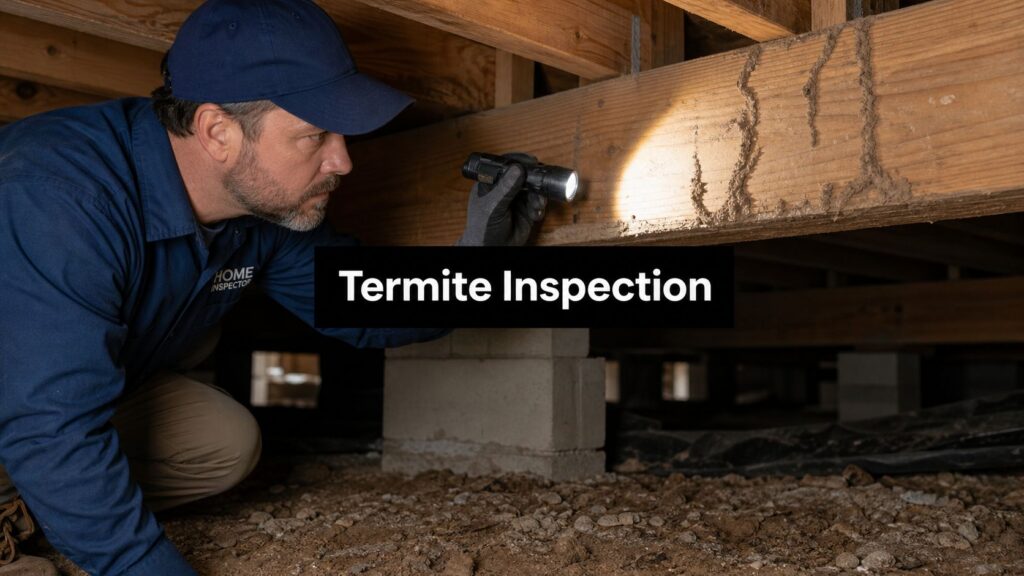
Buying a home in Crown Point is exciting right up until the inspection period starts. That's usually when the questions show up. Is the basement dry. Is the roof near the end of its life. Is there anything hiding behind the walls that could turn a good deal into an expensive surprise.
For many first-time buyers in Northwest Indiana, termites fall into that last category. You can walk through a clean, well-kept house and still miss activity inside framing, crawl spaces, or other concealed areas. A standard home inspection helps, but it usually isn't built for specialized pest detection. That's why a termite inspection for home buyers matters so much when you're under contract and trying to protect your investment.
Your Guide to a Smooth Home Purchase in Crown Point
A typical buyer in Crown Point gets the accepted offer, starts lining up financing, and immediately feels the clock speed up. The to-do list gets long fast. Appraisal. general inspection. insurance. final numbers from the lender. In the middle of all that, termite inspection can feel like one more item to squeeze in.
It shouldn't be treated that way.
A termite inspection is one of the few steps in the buying process that can uncover hidden wood-destroying insect activity before the house becomes your responsibility. That matters in Northwest Indiana, where moisture, crawl spaces, wood-to-soil contact, and older construction details can all create conditions that deserve a closer look.
The moment buyers usually get uneasy
Most buyers don't worry about termites until someone mentions stained trim, soft wood near a sill plate, or old mud tubes in a crawl space. Then the concern shifts quickly from curiosity to cost. If you're financing the home, the report may affect closing. If you're paying cash, the report still affects what you should ask the seller to fix, treat, or disclose.
A termite inspection doesn't need to create panic. It gives you usable information while you still have leverage.
That's the part many buyers appreciate once they've gone through it. The inspection isn't there to kill a deal. It's there to help you make a sound decision.
A smart buyer checks more than one system
Termites aren't the only hidden issue that can change a purchase. Roof condition, drainage, and exterior moisture management also affect what happens next with a home. If you're trying to build a complete picture before closing, it also makes sense to contact HIBCO ROOF for an inspection so you can review the roof condition alongside your pest findings.
That broader approach is often what keeps a closing on track. Buyers who gather clear answers early usually negotiate better and stress less.
Why local guidance matters
In Crown Point and nearby Northwest Indiana communities, termite concerns don't always show up in obvious ways. Activity may be hidden in subfloors, low-clearance crawl spaces, or roof voids that weren't reviewed closely enough. A local pest professional understands where to look, what conditions raise concern, and how those findings may affect a real estate transaction.
That's what turns an inspection from a formality into protection.
Why a Termite Inspection Is Non-Negotiable
Skipping a termite inspection to save a small amount at closing can create a much bigger problem after move-in.
In the United States, property owners spend over $5 billion annually to control termites and repair their damage, with an average repair cost of around $3,000 for an infested home. Without a specialized Wood-Destroying Organism inspection, buyers risk inheriting these hidden costs, as standard home inspections don't typically cover them, according to PestWorld's subterranean termite guidance.
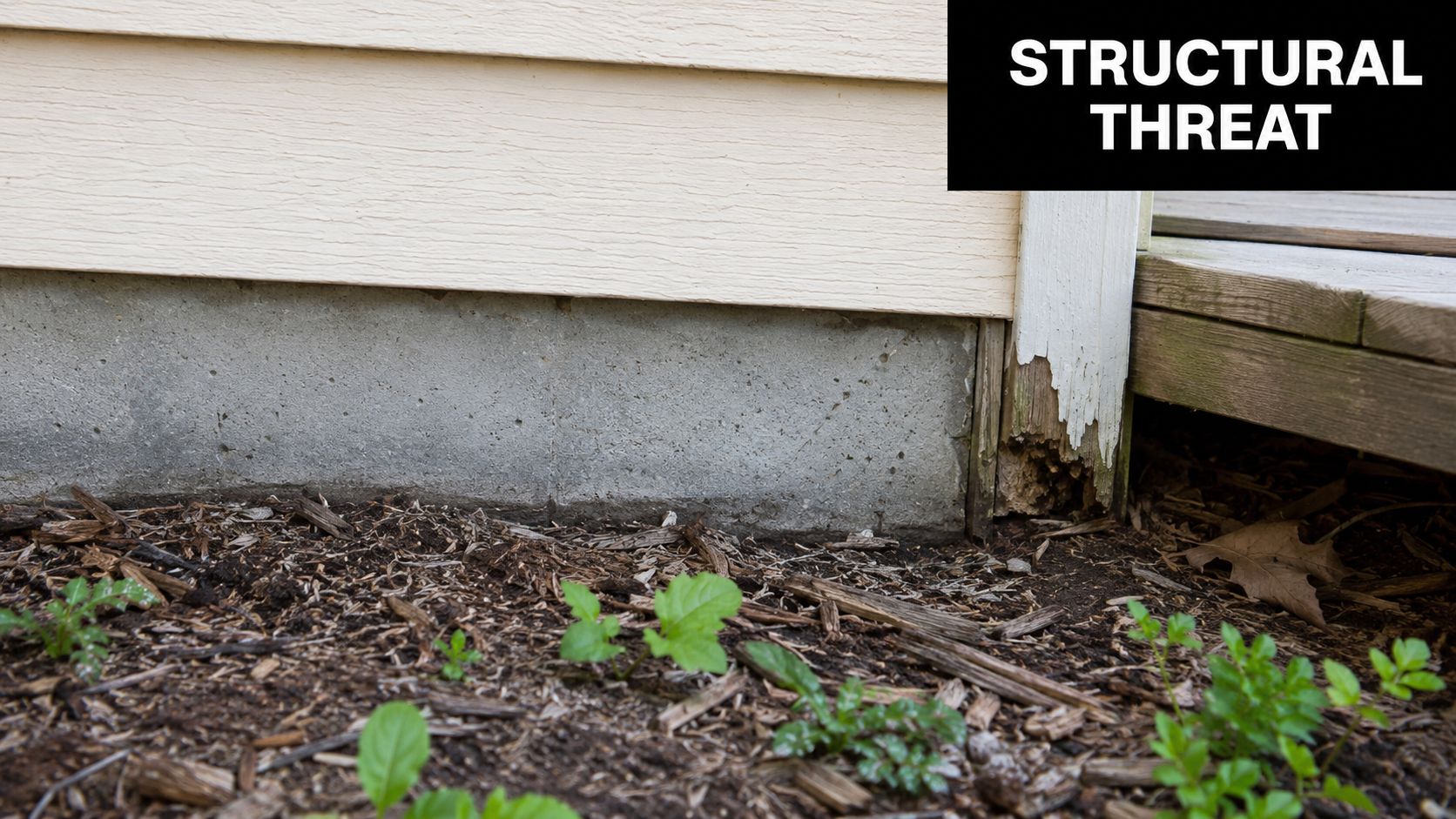
For a buyer, that's the main issue. Termite damage often stays out of sight until someone opens a wall, replaces flooring, or starts repair work in a crawl space. By then, you're no longer negotiating with the seller. You're paying contractors.
Why standard inspections aren't enough
A home inspector may note suspicious wood damage or moisture conditions, but termite activity requires a more targeted process. Real estate buyers sometimes assume the general inspection already covered pests thoroughly. In practice, that assumption leaves a gap.
A termite inspection for home buyers focuses on wood-destroying organisms, accessible structural areas, and signs that are easy to miss unless someone performs this work routinely.
Here's what makes it worth scheduling even when the loan doesn't force the issue:
- Hidden structural risk. Termites don't need a dramatic visual clue to be active. They can work inside framing members, behind finished surfaces, and in crawl spaces where buyers rarely spend time.
- Financial protection. Repair costs can start with a localized fix and grow once more compromised wood is uncovered during repairs.
- Negotiating power at closing. Findings discovered before closing can often be addressed through treatment, repair requests, credits, or contract negotiation.
- Loan protection. Some loan programs and risk zones make a clear wood-destroying insect report part of the path to funding.
In Crown Point, timing matters as much as the inspection itself
One issue many generic guides miss is the timing gap. Buyers often receive a seller's older inspection report and assume the property is still clear. That's risky. A report from months earlier may not reflect conditions near closing, especially in a market where weather, moisture, and construction details can change pest pressure.
Practical rule: In Northwest Indiana, schedule your termite inspection as close to closing as your contract and contingency period reasonably allow, and consider a re-inspection clause close to closing if conditions warrant it.
This short video gives a useful overview of why termite findings matter during a home purchase.
The cheapest mistake is the one you avoid
If a buyer asks me whether termite inspection is optional, the practical answer is simple. You can choose to skip it. You just can't choose the consequences if hidden activity is already there.
That's why this inspection belongs in the same category as title review and financing paperwork. It protects the purchase itself.
Finding and Scheduling Your Termite Inspection
The value of the report depends on the person doing the work. A rushed visual pass isn't enough, especially if the home has a crawl space, older wood components, or moisture-prone areas.
When buyers in Crown Point look for an exterminator near me or pest control in Crown Point, IN, they should focus less on the ad and more on the inspection process. You want a licensed pest professional who understands real estate timelines and knows how to document findings clearly for buyers, agents, and lenders.
What to ask before you book
A good inspection company should answer basic questions plainly. If the answers feel vague, keep looking.
Use this checklist when you call:
- Licensing and documentation. Ask whether the inspector is licensed to perform wood-destroying insect inspections and whether they can provide the reporting form needed for your transaction.
- Local transaction experience. Ask how often they handle home sale inspections in Crown Point and surrounding Northwest Indiana areas.
- Access expectations. Ask what areas must be accessible on inspection day, including crawl spaces, attics, garages, and utility rooms.
- Tool use. Ask whether the inspection relies only on visual review or also uses tools that help identify concealed issues.
- Report turnaround. Ask how quickly you'll receive the written findings so you can act before deadlines expire.
What strong scheduling looks like
Don't wait until the last days of your inspection contingency. Book early enough that you still have time to negotiate treatment, repairs, or follow-up review if the report identifies concerns.
At the same time, don't schedule so early that the report becomes stale before closing. That's where many buyers get caught. The smarter move is to place the inspection in the window where you still have contract protection, while keeping it relevant to the actual closing date.
A practical cost overview is available on The Green Advantage termite inspection cost page, which can help buyers compare whether they're booking a basic inspection, a lender form, or both.
Red flags buyers should take seriously
Not every inspection is equally thorough. Be cautious if you hear any of these:
| Concern | Why it matters |
|---|---|
| “We just do a quick visual.” | Concealed activity is the part buyers most need checked. |
| “You don't need access to the crawl space.” | Crawl spaces often hold the clearest evidence of termite conditions. |
| “The old seller report should be enough.” | Older reports may not reflect current conditions near closing. |
| “We'll explain it later if something comes up.” | Buyers need a clear written report promptly, not a vague summary. |
If an inspector can't tell you how they inspect, what they document, and when you'll get the report, that's enough reason to keep calling.
For home buyers, the best partner is the one who treats the inspection as part of your due diligence, not a quick stop between treatment appointments.
The Inspection Process What Happens On-Site
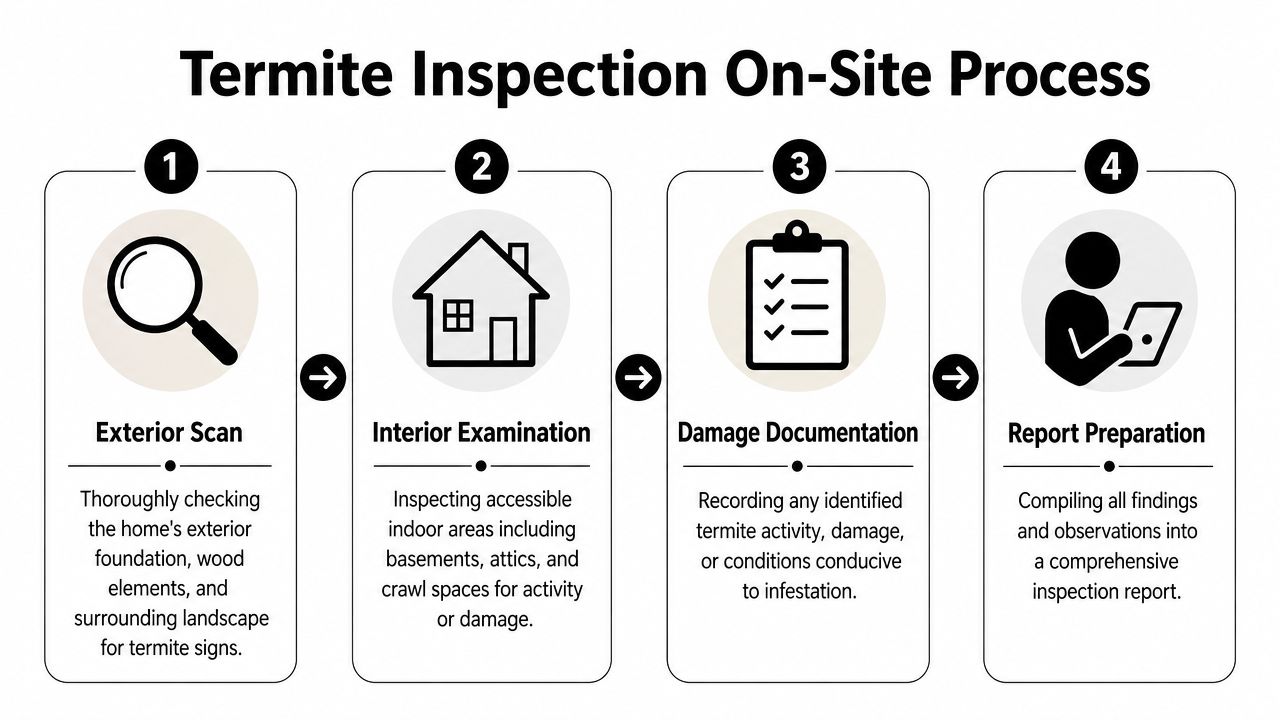
Most buyers feel better once they know what happens during a termite inspection. It's a methodical process, not a quick lap around the house.
A professional inspection involves a rigorous methodology, including checking for mud tubes, tapping baseboards and joists to find hollow wood, and using tools like moisture meters and thermal imaging to find hidden colonies. A key step is breaking open mud tubes to see if they are moist, which indicates an active infestation, versus dry, which signifies past activity, as described in this overview of what a termite inspection includes for real estate.
Where the inspection starts
The exterior usually comes first. The inspector checks the foundation line, siding transitions, porch posts, steps, deck connections, and any place where wood sits close to soil. Landscaping matters too. Mulch piled against siding, heavy vegetation, and drainage issues can create conditions termites like.
Then the inspection moves inward. In homes with basements or crawl spaces, those lower structural areas often reveal the most useful information. Inspectors look at sill plates, joists, support members, subflooring, and visible penetrations where moisture or wood contact may attract activity.
What the inspector is looking for
The obvious sign is a mud tube, but that's not the only thing that matters. During a real inspection, the search usually includes:
- Live activity such as active tubes or current signs in accessible wood.
- Previous evidence such as old tubes, repaired areas, or visible treatment history.
- Damage patterns including hollow-sounding trim, blistered surfaces, or weakened structural wood.
- Conducive conditions such as leaks, high moisture, wood debris, or direct wood-to-soil contact.
Why tools matter
Visual review alone has limits. According to Evo Pest's checklist for new homebuyers, visual inspections alone miss up to 30% of infestations in concealed areas without auxiliary tools like thermal imaging or moisture meters, and roof voids and subfloor areas are among the most commonly missed locations.
That's especially important in houses with finished basements, cluttered utility areas, or tight crawl spaces where termite evidence may not be visible from a standing position.
Ask whether the inspector checks roof voids and subfloor areas. Those are easy places to skip and expensive places to miss.
What buyers can do on inspection day
You don't need to hover over the inspector, but it helps to be available for questions. If you attend, ask them to point out any active findings, older evidence, and conditions that could increase future risk even if no live termites are present today.
If access is blocked by storage, locked doors, or sealed crawl entrances, clear that up before the appointment. A report is only as good as the areas the inspector can reach.
Decoding the Report and Planning Your Next Move
The report matters most after the inspector leaves. At this point, buyers either gain an advantage or lose clarity.
An undisclosed, active termite infestation can reduce a home's value by 20% to 25%, and many government-backed loans require a clear report. The critical distinction is between an active infestation, which lenders often require to be resolved before closing, and old, treated damage, which may not impede the loan unless it affects the home's structural integrity, according to AZ Pest's guidance on questions to ask during a termite inspection.
The three findings buyers need to separate
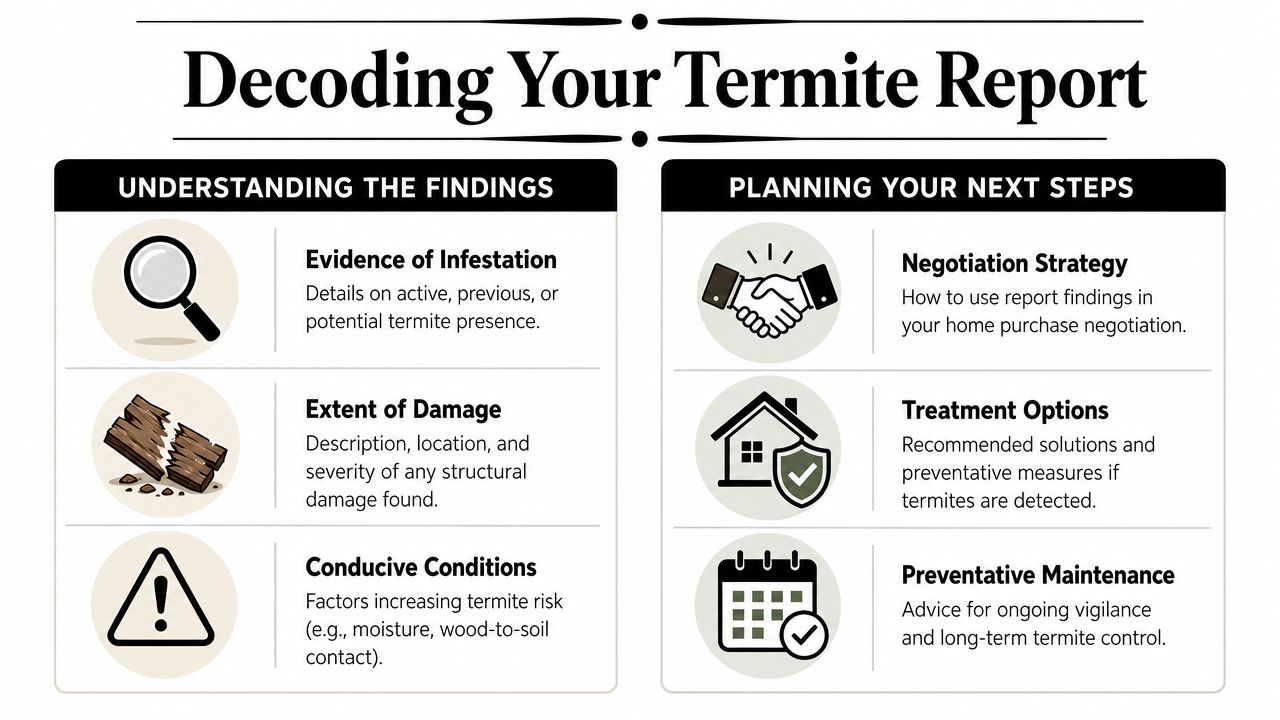
Many reports feel more alarming than they are because buyers blend different findings together. Keep them separate.
| Report finding | What it usually means for the buyer |
|---|---|
| Active infestation | This needs immediate attention. Treatment and, when needed, repair become front-line negotiation items before closing. |
| Previous infestation or old damage | This shows history, not necessarily current activity. It may still affect price, documentation, or repair requests. |
| Conducive conditions | These aren't termites themselves. They are risk factors such as moisture, wood contact, or poor ventilation that should be corrected. |
How to handle old damage without overreacting
This is one of the biggest negotiation mistakes first-time buyers make. They see old termite damage and assume the house is unfinanceable or unsafe. Sometimes that's true if structural members are compromised. Often it isn't.
If the report indicates old, treated damage, the next question is whether the wood still performs structurally and whether the damage has been repaired properly. That may call for a contractor, a follow-up pest evaluation, or repair documentation from the seller.
Old damage is not the same as active termites. Treat those as different problems with different solutions.
That distinction matters in negotiations. Active termites usually call for treatment before closing. Old damage often becomes a discussion about repair quality, replacement of affected wood, or a credit to address remaining work after closing.
A practical negotiation path
When a report comes back with findings, buyers generally have a few options:
- Request seller-paid treatment if active infestation is present.
- Request repair records for previous termite work and any structural correction already completed.
- Negotiate a credit or price adjustment when old damage exists but further repair is still advisable.
- Ask for a re-inspection after treatment or repair so the closing file reflects updated conditions.
For buyers who want help recognizing visible warning signs before the appointment, this termite damage identification guide can make the report easier to understand.
Treatment and prevention after the report
If active termites are found, treatment should match the site conditions and extent of activity. Depending on the structure, that may involve soil treatment, targeted treatment in affected areas, or broader protection around the home. The Green Advantage provides certified wood-destroying insect inspections and lender forms used in home transactions, along with termite control when treatment is needed.
If the report only identifies risk conditions, fixing moisture issues, correcting wood-to-soil contact, and improving access for future inspections may be the smarter move than chasing unnecessary repairs.
The strongest buyer response is usually calm and documented. Get the facts. Separate current activity from history. Then negotiate from the report, not from fear.
Your Partner in Pest Control After You Close
Closing day doesn't end the job. It changes it.
Once the house is yours, the focus shifts from transaction protection to long-term prevention. That applies to termites, but it also applies to the broader pest issues many homeowners in Northwest Indiana deal with over time, including ant control, rodent control, spider control, wasp removal, mosquito control, and seasonal pest issues tied to moisture and temperature swings.

What ongoing protection actually looks like
For many homes, the practical path is a preventative service plan. That can include monitoring, exterior treatment where appropriate, recommendations to reduce conducive conditions, and follow-up if activity is spotted later. Buyers searching for residential pest control or commercial pest control in Crown Point, IN are usually looking for exactly that kind of continuity.
A dependable provider should make the process simple:
- Clear communication about findings, treatment options, and next steps
- Environmentally mindful service that fits the property and pest pressure
- Reliable scheduling so inspections and callbacks don't drag on
- Local familiarity with the pest patterns common in Northwest Indiana
Peace of mind is the real product
Most homeowners don't call pest control because they want a technical lesson. They call because they want confidence in the home they just bought.
That's why prevention matters. If you've already invested in a termite inspection for home buyers, it makes sense to keep that same level of attention after closing. A clean report at purchase is a strong start. Ongoing observation and preventive pest treatments help keep it that way.
Homebuyer Termite Inspection FAQs
For VA loans, a Wood-Destroying Insect inspection is mandatory in over 35 states and territories, including areas with moderate to heavy termite risk. The loan cannot close in these designated zones without a completed NPMA-33 form and resolution of any active infestations found, according to AmeriSave's mortgage pest inspection guide.
Frequently Asked Questions
| Question | Answer |
|---|---|
| Do I need a termite inspection if I already had a general home inspection? | Yes. A general inspection and a wood-destroying insect inspection serve different purposes. The termite inspection is the specialized review. |
| Can an old seller report be enough? | It might be useful background, but buyers shouldn't assume an older report reflects current conditions close to closing. |
| Will old termite damage kill the deal? | Not always. Old damage and active infestation are different findings. The key issue is whether there is current activity and whether structural repairs are needed. |
| Are VA buyers likely to need a special form? | Yes, in designated risk areas the lender will need the completed NPMA-33 form before funding can move forward. |
| Should I attend the inspection? | If possible, yes. It helps to hear the findings directly and ask about active signs, past evidence, and risk conditions. |
If you're buying a home in Crown Point or nearby Northwest Indiana and want clear answers before closing, The Green Advantage can help you schedule a termite inspection, review the findings, and plan the right next step with confidence.
Pest Inspection Home Purchase: Your 2026 Guide
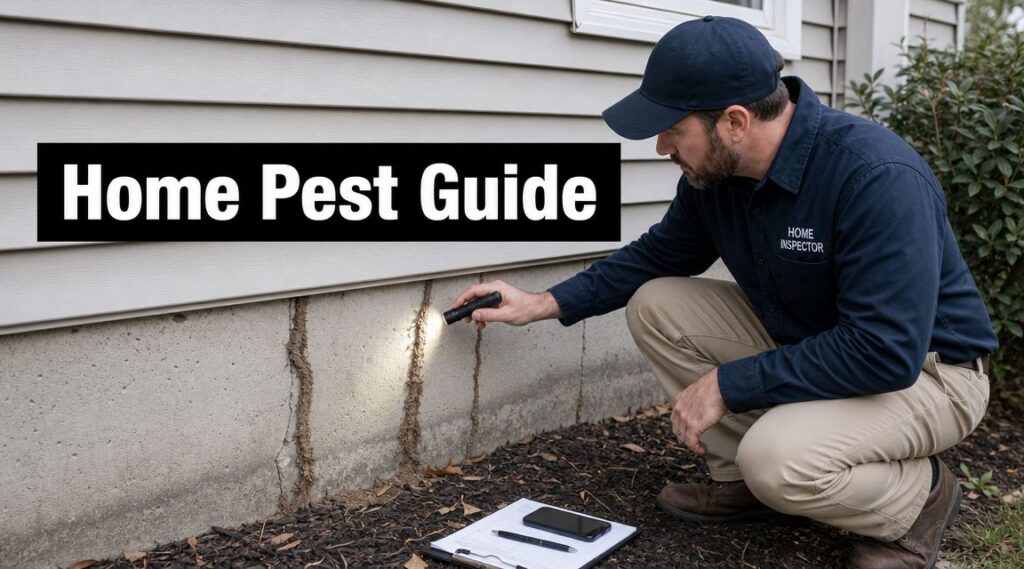
Buying a house in Crown Point is exciting right up until the moment you realize how much can stay hidden behind clean drywall, fresh paint, and a well-staged basement. Most buyers already expect a general home inspection. Fewer realize that a pest inspection home purchase plan can answer a different question entirely. Is there evidence of termites, carpenter ants, rodent activity, moisture conditions, or wood damage that a standard inspection may not fully address?
That's where a calm, local process matters. In Northwest Indiana, buyers don't need more alarm. They need a clear read on risk, realistic next steps, and a report they can use. If you're trying to protect your investment without slowing down your closing, this is how to approach it.
Your Dream Home in Crown Point and the Pests You Can't See
You found the right house. The neighborhood fits. The commute works. The yard looks good, and you can already picture where the furniture goes. Then the practical questions start. What's hiding in the crawl space? What's happening behind the sill plate? Has moisture been attracting activity for years without anyone noticing?
That concern is reasonable. A dedicated pest inspection isn't about trying to sink a deal. It's about making sure you understand the property you're about to own, especially where wood damage or hidden activity may sit outside the scope of a general inspection.

The cost question is usually easy
Most buyers hesitate for a moment because it feels like one more line item in an already expensive transaction. The math usually clears that up. One benchmark source cites a pre-purchase pest inspection at about $100, while termite repairs can average $3,000 and exceed $37,500 in severe cases, according to Mashvisor's pest inspection cost discussion.
That's why experienced buyers treat this as a screening step, not an optional extra. The inspection fee is small compared with the cost of finding structural damage after closing.
Practical rule: If the house is worth serious money to you, the pest risk deserves a serious look.
What buyers usually miss
A house can present well and still have signs of wood-destroying insects, rodent entry, or chronic moisture around accessible framing. Cosmetic updates can make a home feel newer than it is. They don't tell you whether there are mud tubes on foundation walls, soft trim in a basement corner, or old treatment evidence that raises follow-up questions.
In Crown Point and nearby Northwest Indiana communities, a focused pest inspection gives you clarity. You stop guessing. You start making decisions based on visible evidence, documented conditions, and what can be addressed before closing.
Why Pest Inspections Are Crucial in Northwest Indiana
In Crown Point, a house can look dry, clean, and well cared for at the showing, then tell a different story once someone checks the basement rim joist, crawl space supports, or the soil line along the foundation. That gap matters in Northwest Indiana, where moisture, freeze-thaw cycles, and older construction details often create good conditions for pests to stay hidden.
A general home inspection has a broad job. A pest inspection has a narrower one. It looks for insect activity, rodent entry, wood damage, moisture-related risk, and the conditions that tend to lead to those problems.
Local conditions create hidden risk
Around Crown Point and the rest of Northwest Indiana, I pay close attention to subterranean termites, carpenter ants, powderpost beetles, and rodent activity. Basements and crawl spaces are common here. So are attached garages, dense landscaping, and grading issues that keep soil damp near the house. Those details matter because pests do not need a dramatic opening or obvious damage to get started.
The first signs are often small.
Common places to check include:
- Basement perimeter walls: Mud tubes, moisture staining, and damage where framing meets masonry
- Crawl spaces: Damp soil, poor airflow, plumbing penetrations, and exposed wood with high moisture
- Window and door trim: Soft exterior wood, peeling paint, and gaps that suggest long-term moisture exposure
- Garage and utility entries: Openings around conduit lines, sill plates, and framing joints where mice and insects can get in
If you want to know what a focused inspection should cover, this home pest inspection checklist for buyers gives a practical overview of the areas and conditions worth reviewing before closing.
Why a home inspection alone may not be enough
Home inspectors do important work, but pest evidence is easy to miss if it is not the main thing being evaluated. Termite shelter tubes can blend into foundation surfaces. Old exit holes from wood-boring insects can look like minor cosmetic wear. Rodent rub marks and entry points often show up in utility areas that do not get much attention unless someone is specifically looking for them.
That difference in focus matters during a purchase. Buyers are not just trying to learn whether a house has a problem today. They also need to know whether there is old damage, incomplete treatment history, or moisture conditions that make future activity more likely.
A useful pest report should sort those findings clearly. Active evidence calls for one response. Past damage may call for repair or further evaluation. Conducive conditions often call for prevention work before they turn into a larger expense.
Buyers need a report that explains what is active, what is old, and what should be corrected before it becomes a repeat issue.
What local expertise changes
An inspector who works regularly in Crown Point, St. John, Cedar Lake, and nearby Northwest Indiana communities sees patterns that a less local company may not weigh the same way. Older basement homes, homes with crawl space additions, and properties with heavy mulch against the foundation all tend to raise specific questions. The same goes for detached structures, wood contact near grade, and drainage that pushes water back toward the house.
At The Green Advantage, that local experience changes how we inspect and how we explain the findings. The goal is not to alarm a buyer. The goal is to give a buyer clear evidence, realistic next steps, and a better sense of whether the issue is minor maintenance, active infestation, or something that should affect the deal terms.
Scheduling Your Inspection Timing Contingencies and Choosing a Pro
Good inspections don't just depend on who you hire. They depend on when you hire them. Timing affects your bargaining power, your repair options, and sometimes your financing timeline.
For most buyers, the cleanest approach is to schedule the inspection during the due-diligence period while there's still room to ask for treatment, repairs, or a credit. If you wait too long, you may still learn something useful, but your options can narrow fast.
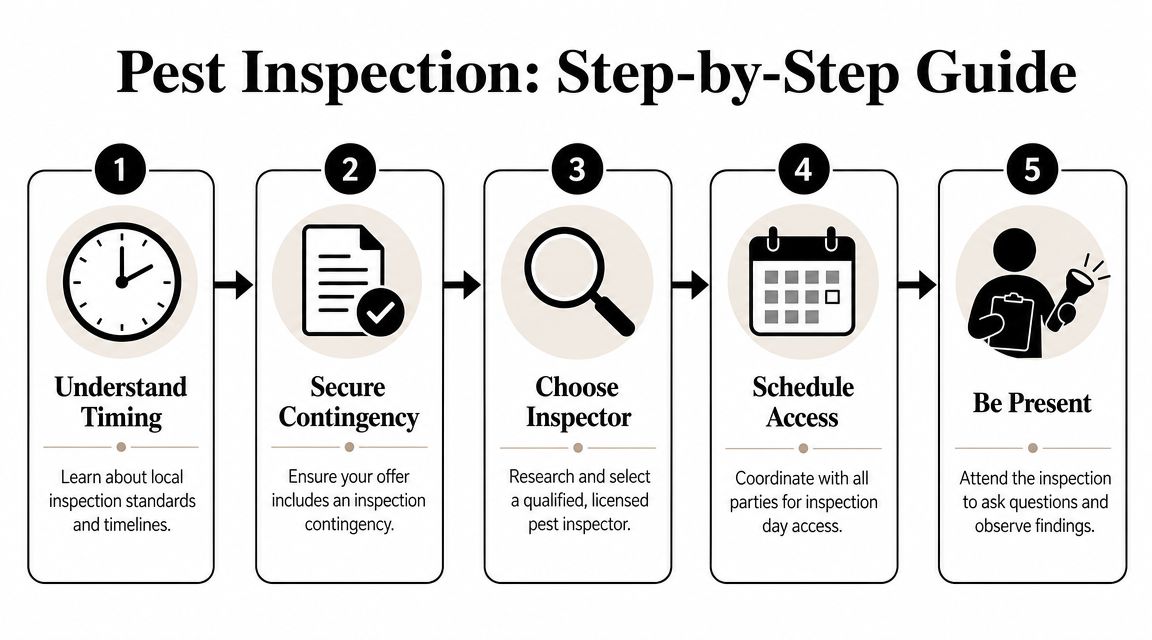
A simple order of operations
Use this sequence to keep the process manageable:
- Review your contract timing. Confirm inspection deadlines and ask your agent where a pest inspection fits within them.
- Protect your negotiating position. Make sure the contract language gives you room to respond if the report finds active issues or conditions that need further evaluation.
- Choose a qualified inspector. Look for a licensed, insured company that handles real estate inspections regularly and can produce clear documentation.
- Coordinate access early. Listing agents, sellers, inspectors, and sometimes tenants all affect scheduling.
- Attend if possible. Buyers who walk the property with the inspector usually understand the report more clearly.
A practical prep resource is this pest control inspection checklist, which helps buyers organize questions before inspection day.
What to expect for cost and timing
A pest inspection is often a low-cost risk screen. Typical 2026 consumer pricing ranges from $50 to $450, depending on inspection type, home size, and location, and a standard inspection may take only 30 minutes to 1 hour, according to Angi's pest inspection cost guide. That's a short appointment compared with the amount of uncertainty it can remove.
Here's a quick planning view:
| Item | What to expect |
|---|---|
| Inspection window | Best handled before contingencies expire |
| On-site time | Often brief for a standard visual inspection |
| Access needed | Basement, crawl space, attic, garage, exterior perimeter |
| Best buyer move | Schedule early enough to allow follow-up if needed |
Later in the process, this walkthrough can help some buyers visualize how inspection timing fits into the purchase flow.
Financing can change the schedule
Some buyers don't run into pest requirements until the loan process gets more specific. For certain transactions, that can affect timing in a big way. The same Angi guide notes that pest inspections are mandatory for VA loans in 35+ states and territories. If your financing could trigger a separate report, it's smart to ask about that early instead of assuming the general inspection covers it.
One practical option in Crown Point is The Green Advantage, which provides pest inspections for home purchase transactions and can coordinate around standard real estate scheduling. The key is not the brand name. It's choosing a provider who understands lender-driven deadlines, document requirements, and local pest pressure.
Decoding the Pest Inspection Report Common Red Flags
The inspection report is where buyers either feel informed or overwhelmed. A useful report should tell you what was seen, where it was found, whether the evidence appears active or prior, and what follow-up makes sense. It shouldn't bury the important points under vague wording.
A standard pre-purchase pest inspection follows a structured sequence. The inspector performs a non-invasive visual scan of accessible areas and checks for indicators such as mud tubes, damaged wood, wing piles, hollow-sounding material, and gnaw marks. That process is summarized in Windy City Home's home inspection statistics and inspection overview, which also cites survey data showing 86% of buyers who used a home inspector identified at least one issue, and 46% used the report to negotiate a lower price.
What happens on site
The technician usually checks accessible interior and exterior areas where pest evidence commonly shows up first. That includes foundation lines, basement framing, crawl spaces, garages, utility penetrations, exposed wood, and other visible areas. It is visual and non-invasive. If something suggests hidden activity, the report should say that follow-up may be needed rather than pretending the first visit answered everything.
If you want an example of a transaction-focused service, this termite inspection for real estate page shows the type of inspection buyers often request when wood-destroying insect documentation matters.
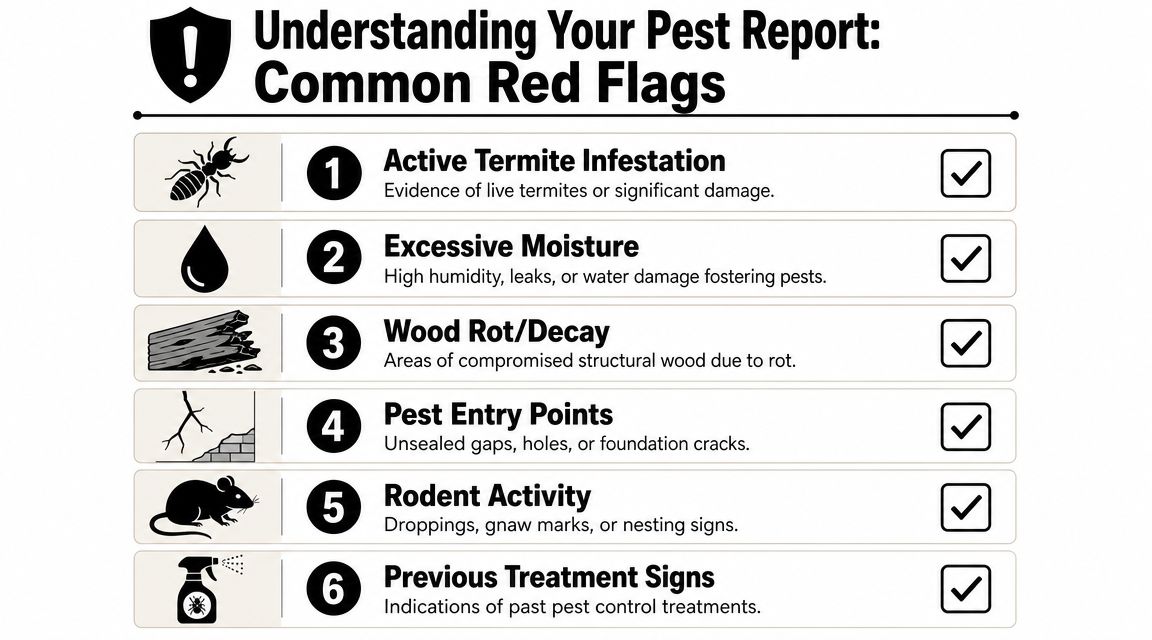
Red flags that deserve a closer look
Not every finding means “walk away.” Some findings mean “ask better questions.”
- Mud tubes: These are shelter pathways commonly associated with subterranean termite movement. Active-looking tubes deserve prompt evaluation.
- Damaged or hollow-sounding wood: This may indicate feeding, moisture deterioration, or prior infestation. Location matters.
- Frass or wood dust: Small pellets or fine debris can point toward insect activity, depending on texture and where it appears.
- Exit holes: Tiny openings in wood can suggest past or present wood-boring insect activity.
- Rodent droppings or gnaw marks: These point to entry, nesting, or active movement through accessible areas.
- Excess moisture: Leaks, dampness, and poor ventilation often show up as conditions that make pest problems more likely.
A report is most useful when it distinguishes between active evidence, prior evidence, and conducive conditions. Those are not the same thing, and buyers shouldn't treat them the same way.
How to read the report without overreacting
Use the report as a decision tool. Ask three questions. What was found? Is it active, suspected, or old evidence? What's the next reasonable step?
When the findings are clearly written, the next move usually becomes obvious. You may need treatment, repair quotes, further inspection of concealed areas, or documentation for the file. Clear reports lower stress because they replace vague worry with a sequence of actions.
Using the Report to Negotiate Repairs and Treatments
Once the report is in hand, the goal is simple. Turn the findings into clear repair or treatment terms before you are locked into the purchase.
In Crown Point and across Northwest Indiana, I tell buyers to keep the conversation tied to scope, cost, and timing. A seller does not need to agree that a pest issue feels alarming. They only need to respond to documented evidence, a reasonable treatment plan, and any repairs that protect the structure. That shift matters in a busy market, where buyers can feel pressure to accept more risk than they should.
Three outcomes usually make the most sense:
- Seller handles treatment or repairs before closing. This fits active termite work, visible damage, or conditions that need correction before a lender or buyer is comfortable.
- Seller gives a credit at closing. This is often the better option if you want to choose your own pest company, repair contractor, and schedule after possession.
- Buyer cancels the deal. That can be the right call when access was limited, damage may extend beyond visible areas, or the seller resists addressing a legitimate issue.
The right option depends on the finding.
For example, a short section of old termite evidence in a garage may call for documentation and a localized repair quote. Active termite tubes along a basement wall, high moisture, and wood damage near a sill plate are a different conversation. In that case, I would want licensed treatment, a repair plan, and a reinspection before closing, or enough credit to cover the full job after closing.
Keep the request specific
Vague complaints usually stall out. Specific requests move deals forward.
Ask for:
- licensed treatment, if active infestation is present
- a written repair scope for damaged wood
- receipts, warranties, or transferable service records when available
- reinspection after the agreed work is complete
- clarification on any inaccessible areas that could still hide damage
That last point matters more than buyers realize. If the crawl space was too tight, insulation blocked visibility, or stored items limited access, the report may only show part of the picture. In older Northwest Indiana homes, especially those with moisture history, concealed damage is one of the main reasons I advise buyers to slow down and tighten the terms.
Your agent can keep the language plain and businesslike: the inspection found documented pest activity or damage, and you are requesting treatment, repair, or a credit based on those findings. No drama is needed.
For buyers who want an outside perspective on when pest findings are serious enough to justify backing out, this guide on how to deny a home for pests is a useful reference.
A good negotiation matches the remedy to the evidence. Small, contained findings deserve a measured response. Widespread damage, moisture problems, or unanswered questions deserve stronger terms.
After Closing Protecting Your New Crown Point Home
Closing day doesn't end pest risk. It changes your role. Before closing, you're evaluating a property. After closing, you're protecting it.
That's why the smartest homebuyers treat the inspection as the start of a maintenance plan, not the finish line. If the report found active issues, you'll want treatment and follow-up handled promptly. If the report found moisture conditions, wood-to-soil contact, or easy entry points, prevention matters just as much as correction.

Protect the house you just worked hard to buy
New owners in Crown Point often benefit from a simple post-closing checklist:
- Address open findings quickly: Don't let a known issue sit while you unpack and settle in.
- Correct moisture conditions: Gutters, grading, leaks, and ventilation problems often make pest issues easier to start.
- Seal obvious access points: Utility gaps, garage edges, and foundation penetrations deserve attention.
- Set a monitoring routine: Ongoing inspection and seasonal pest control can keep small issues from becoming expensive ones.
Some buyers also get surprised by financing-related pest requirements late in the process. Rocket Mortgage's explanation of lender timing and pest reports notes that many buyers don't realize VA loans require pest inspections in 35 states, and FHA loans require them when there is evidence of infestation. That can create a last-minute inspection need after appraisal, which is why coordinating pest timing with lender milestones can prevent delays and extra cost.
From inspection to long-term protection
A primary benefit of a good pest inspection home purchase strategy is confidence. You know what was found. You know what still needs attention. You know whether the property needs treatment, repair, prevention, or just periodic monitoring.
If you're also thinking ahead about pricing, concessions, and purchase strategy, this advice on how to get the best deal on your home is a useful companion to the inspection process.
A home in Northwest Indiana doesn't have to be perfect to be a good purchase. It has to be understood, and then maintained with a plan that fits the actual conditions on the property.
If you're buying a home and want a clear, transaction-ready pest inspection in Crown Point or nearby Northwest Indiana, contact The Green Advantage. We can help you schedule the inspection, review what the findings mean, and map out the next step so you can move toward closing with confidence.