Skip to content

Pest Exterminator Near Me: Secrets the Pros Use to Keep Homes Pest-Free
Finding a pest in the kitchen or spotting a trail of ants in the bathroom often triggers an immediate reaction: panic, followed by a frantic search for a solution. Many homeowners wait until a creepy crawler makes an appearance before giving pest control a second thought. However, a purely reactive approach often leads to recurring issues and temporary fixes that fail to address the root cause. The secret to a truly pest-free environment lies not in scrambling after an infestation takes hold, but in adopting a proactive mindset that focuses on prevention before problems start.
Professional pest management involves a deep understanding of how pests interact with a home's structure and the surrounding landscape. It is about outsmarting the invaders by knowing their habits better than they know themselves. At The Green Advantage, the passion for solving these complex puzzles drives every service call. By prioritizing knowledge and community empowerment, licensed professionals can transform a home from a target into a fortress. This guide pulls back the curtain on the strategies experts use every day, offering insights for anyone currently typing "pest exterminator near me" into their search bar, hoping for a lasting solution.
The Power of the Professional Inspection
Thinking Like a Pest
A successful strategy begins with shifting perspective to view the home through the eyes of the invader. Professional technicians start their assessment outside, tracing the likely paths a pest might take from the yard to the foundation. This outside-in approach allows experts to identify vulnerabilities that most homeowners overlook, such as a branch touching the roof or a gap in the siding that looks like a welcoming front door to a rodent.
Reading the Subtle Clues
While a homeowner might only see a bug, a trained eye sees a story written in the dust. Professionals know that a tiny, greasy smudge mark along a baseboard or a faint trail of sawdust can indicate a much larger issue hidden behind the walls. These subtle signs act as a roadmap, revealing not only what kind of pest is present—whether it be rodents, ants, or termites—but also where they are traveling and where they are nesting.
Identifying Conducive Conditions
Effective inspections look for the "why" as much as the "what." Identifying conducive conditions means spotting the environmental factors that are practically inviting pests to move in. Licensed professionals assess the property for moisture issues, such as a dripping spigot that attracts thirsty ants, or dense landscaping against the foundation that provides cover for roaches.
[caption id="attachment_707" align="aligncenter" width="750"] Pest Exterminator[/caption]
The Science of Integrated Pest Management (IPM)
More Than Just Chemicals
Integrated Pest Management, or IPM, represents a smarter, more holistic shift away from the old-school "spray everything" mentality. This scientific approach utilizes a combination of common-sense practices including improved sanitation, structural exclusion, and habitat modification to manage pest populations. Chemicals are viewed as a last resort rather than a first step.
Targeting the Source, Not Just the Symptom
Spraying a single foraging ant on the counter might feel satisfying in the moment, but it does nothing to stop the thousands remaining in the colony. IPM focuses entirely on locating and treating the nest or the source of the infestation to achieve long-term results. Professionals use baits and non-repellent transfers that allow foraging insects to carry the treatment back to the colony, effectively eliminating the queen and the brood.
Working with Nature
A core passion at The Green Advantage involves working in harmony with the environment rather than fighting against it. IPM protocols are designed to protect beneficial insects, such as ladybugs and bees, and the broader local ecosystem while specifically targeting the pests that threaten a home. By understanding the delicate balance of nature, licensed technicians can implement controls that reduce pest pressure without disrupting the helpful biological processes in the garden and yard.
Exclusion: The Secret to a Pest-Proof Home
Sealing the Envelope
The most effective secret in the industry is also the simplest concept: do not let them in. Exclusion involves sealing the structural envelope of the home using professional-grade materials that pests cannot chew through or bypass. Technicians utilize copper mesh, steel wool, and specialized industrial sealants to block the tiny gaps and cracks that serve as superhighways for insects and rodents.
Fortifying Unexpected Entry Points
Pests are resourceful and often utilize entry points that homeowners rarely consider. A professional inspection always includes checking gaps around utility lines where pipes and wires enter the foundation, as well as roof vents and weep holes in brickwork. These overlooked areas are often wide open, allowing mice or insects to bypass locked doors and windows entirely.
The Importance of Door Sweeps and Garage Seals
A worn-out rubber seal on the bottom of a garage door might seem like a minor maintenance issue, but to a mouse or a cockroach, it is an open invitation with a neon sign. Maintaining tight seals on all exterior doors is a critical step in any professional pest-proofing plan. Installing high-quality brush sweeps and replacing damaged thresholds creates a physical barrier that stops pests right at the threshold.
Strategic Treatment: Less is More
Precision Application
Professional pest exterminator rarely use a "spray and pray" approach; instead, the focus is on precision and placement. The "crack and crevice" technique involves applying products directly into wall voids, behind appliances, and into the hidden dark areas where pests actually live and breed. This targeted application ensures that the material goes exactly where it is needed most, maximizing its effectiveness while keeping it away from open surfaces where family members and pets spend their time.
Understanding Product Labels and Life Cycles
Not all products work on all pests, nor are they effective at every stage of an insect's life. Licensed professionals select specific products designed to interrupt the pest life cycle, whether that means stopping eggs from hatching or preventing larvae from maturing into reproducing adults. Understanding the biology of the specific target allows The Green Advantage to choose the right tool for the job.
The Safety-First Approach
The safety of the family and pets residing in the home is always the number one priority during any treatment. Protocols are strictly followed to apply treatments in a way that minimizes exposure while ensuring the job gets done. By using low-toxicity options, targeted applications, and tamper-resistant stations, experts ensure that the home remains a safe haven.
[caption id="attachment_295" align="aligncenter" width="750"] Pest Control Service[/caption]
Sanitation and Habitat Modification
Removing the Buffet
Pests will generally stay where they can easily find a meal, so removing food sources is essential. Experts provide a checklist for eliminating these attractants, which goes beyond just wiping down counters. It involves properly storing pet food in sealed containers, cleaning the hidden grease and crumbs from under the stove and refrigerator, and ensuring garbage cans are tightly covered.
Landscaping for Pest Prevention
A beautiful garden can sometimes act as a bridge, carrying pests straight to the front door or roof. Professional advice often includes recommendations on trimming tree branches away from the roofline to stop squirrels and ants from jumping onto the house. Managing mulch levels near the foundation is also critical, as deep mulch can trap moisture and harbor termites or millipedes.
Controlling Moisture
Water is a magnet for structural destroyers like termites, as well as nuisance pests like ants and cockroaches. Identifying and correcting moisture issues is a key part of the habitat modification strategy. This includes fixing leaky pipes, ensuring downspouts direct water away from the foundation, and improving ventilation in damp crawl spaces.
The Green Advantage: Why Local Expertise Matters
Knowledge of Local Pest Pressure
Pest trends vary significantly by neighborhood, climate, and season. Decades of local experience allow the team at The Green Advantage to anticipate and prevent the specific pest problems common to the community. Whether it is a specific type of ant that swarms in the spring or rodents seeking warmth in the fall, knowing what to expect allows for proactive protection.
A Relationship You Can Trust
When searching for a "pest exterminator nearby," finding a helpful voice on the other end of the line makes all the difference. The Green Advantage is committed to building lasting relationships with customers, moving beyond simple transactions to genuine care. Staff members live and work in the same community, bringing a neighborly dedication to every interaction.
Custom Solutions for Your Home
Cookie-cutter plans rarely work because no two homes are exactly alike. The Green Advantage details a tailored approach based on a home's specific construction, the family's lifestyle needs, and the unique environmental factors of the property. A log cabin in the woods requires a different strategy than a brick home in the suburbs.
The Follow-Up: Ensuring Long-Term Success
Monitoring and Adjusting the Plan
Pest control is not a one-time event; it is an ongoing process that requires vigilance. Follow-up visits are crucial for monitoring activity levels, checking traps, and assessing the effectiveness of previous treatments. If pest activity shifts or new threats emerge, the plan is adjusted immediately.
Breaking the Pest Life Cycle
A single treatment may kill live adults, but it might not affect the eggs hidden deep within a wall void. Scheduled follow-up services ensure that the reproductive cycle is broken completely. By returning to treat when those eggs hatch, professionals prevent the new generation from maturing and laying eggs of their own.
Providing Ongoing Support and Education
The job is not done simply when the pests are gone. The Green Advantage remains available to answer questions and provide advice to help maintain a healthy environment for years to come. Whether it is identifying a strange bug found in the garage or offering tips on how to pest-proof a new renovation, ongoing education empowers homeowners to be partners in the process.
[caption id="attachment_686" align="aligncenter" width="750"] Pest Control Specialist[/caption]
Conclusion
Protecting a home from unwanted invaders requires a comprehensive strategy that goes far beyond reactive spraying. The secrets of the pros—thorough inspection, comprehensive exclusion, strategic treatment, and diligent follow-up—form the backbone of a successful pest management plan. By combining these elements with Integrated Pest Management principles, homeowners can achieve lasting results that are safe for their families and the environment.
At The Green Advantage, the health and safety of your home is a passion. The team takes immense pride in providing expert, reliable, and caring service to neighbors throughout the community. With decades of experience and a commitment to customized solutions, dedicated professionals are ready to help you reclaim your space.
If you are ready to stop worrying about bugs and start experiencing the peace of mind that comes with professional pest control, reach out today. Contact the friendly, knowledgeable team at The Green Advantage for an inspection and let them put these professional secrets to work for you.
The Green Advantage
https://maps.app.goo.gl/wzz1BewPEdKx96pQ6
14451 Reeder Rd, Crown Point, IN 46307, United States
(219) 779-9815
https://thegreenadvantage.biz/

Termite and Pest Control: How to Stop Silent Damage Before It Starts
In the world of home ownership, few phrases strike fear quite like "termite damage." Often referred to as "silent destroyers," termites and similar pests have earned this nickname for a terrifying reason: they work quietly, invisibly, and relentlessly. Unlike a burst pipe or a broken window, a pest infestation rarely announces itself with a loud bang. Instead, colonies expand in the dark, chewing through structural support beams, flooring, and wall studs while life continues as normal above ground.
The damage caused by these pests is not just a structural issue; it is a financial one. Billions of dollars are spent annually in the United States on termite and pest control and repair costs, much of which is not covered by standard homeowner insurance policies. The insidious nature of these infestations means that a home can look perfectly healthy on the outside while being hollowed out from the inside.
Fortunately, these silent threats do not have to result in catastrophic loss. The key lies in understanding how these pests operate, recognizing the subtle warning signs they leave behind, and implementing a robust prevention strategy. Pest control termite control is not just about reacting to bugs when they appear; it is about creating an environment where they cannot thrive.
Unmasking the Enemy: Understanding Termite Behavior
Subterranean vs. Drywood Termites
Understanding the enemy is the first step in effective defense, and in the world of termite and pest control, knowing the difference between Subterranean and Drywood termites is crucial. Subterranean termites require contact with the soil to survive and typically build mud tubes to travel from the ground into a structure, attacking from the bottom up. In contrast, Drywood termites do not need soil contact or as much moisture; they can fly directly into attics or second-story eaves to infest furniture and framing.
The "Silent" Signal: How Colonies Grow
A termite colony’s growth is a slow, methodical process that can easily go undetected by an untrained eye. A queen can lay thousands of eggs a day, yet the colony remains hidden deep underground or within the wood itself, avoiding light and open air. This allows the population to swell to hundreds of thousands of members over several years without triggering typical alarms like noise or visible bugs in the living areas.
The Role of Moisture in Infestations
Moisture is practically a beacon for termites, drawing them toward a home’s foundation with the promise of survival. These pests are constantly seeking water to prevent their bodies from drying out, which is why leaky faucets, clogged gutters, or condensation around air conditioning units can be so dangerous. Even high humidity levels in a crawlspace can create the perfect microclimate for an infestation to take hold.
[caption id="attachment_184" align="aligncenter" width="400"] Pest & Termite Control[/caption]
Early Warning Signs You Can’t Afford to Ignore
Deciphering Mud Tubes
One of the most definitive signs of a Subterranean termite invasion is the presence of mud tubes, which act as a protected superhighway for the insects. These pencil-sized tunnels are constructed from soil and wood particles, often appearing as vein-like structures running up concrete foundations or exterior walls. They protect the termites from predators and dehydration as they travel between their nest in the ground and their food source in the house.
The Difference Between Flying Ants and Termite Swarmers
Springtime often brings swarms of flying insects, causing panic among homeowners who struggle to differentiate between harmless ants and destructive termites. A clear checklist can help distinguish the two: termites have straight antennae and a thick, uniform waist, whereas ants have elbowed antennae and a pinched, narrow waist. Additionally, termite wings are all equal in length, while flying ants have front wings that are longer than their back wings.
Structural Clues: Bubbling Paint and Hollow Wood
Sometimes, pest control termite control issues disguise themselves as water damage, misleading homeowners into thinking they have a plumbing leak rather than an infestation. Uneven or bubbling paint can occur when termites eat the drywall paper or wood directly behind the painted surface, leaving only a thin layer of paint intact. Similarly, wood that sounds hollow when tapped or crumbles easily upon contact suggests that the interior has been consumed.
The Green Advantage Inspection Process
Going Where You Can't
Licensed technicians at The Green Advantage pride themselves on conducting thorough inspections that go far beyond a superficial glance at the property. The inspection process involves crawling into tight, uncomfortable crawlspaces, navigating dusty attics, and meticulously checking the foundation perimeter to uncover threats hidden from the untrained eye.
Utilizing Advanced Detection Methods
Decades of field experience are combined with modern tools to ensure a comprehensive assessment of a property's health. While visual inspections are critical, advanced detection methods allow technicians to identify moisture variances and activity occurring behind walls where the human eye cannot see. This technology helps pinpoint areas of concern without the need for invasive measures like tearing down drywall initially.
Honest, Transparent Reporting
After an inspection is complete, findings are presented in plain, easy-to-understand language rather than technical jargon. The Green Advantage believes in educating customers, not confusing them, ensuring that every homeowner understands the severity of the situation and the available solutions. Whether the news is good or bad, the reporting is always honest and transparent, allowing families to make the best decision for their household needs.
Beyond Termites: Other Silent Wood Destroyers
Carpenter Ants: The Excavators
While termites eat wood, carpenter ants damage homes by excavating it to build their nests, which can be just as structurally compromising. These large ants prefer moist or decaying wood but will readily move into sound wood as their colony expands. The tell-tale sign of their presence is often small piles of "frass," which looks like fine sawdust, located beneath the areas where they are digging.
Powderpost Beetles and Old Houses
Powderpost beetles are smaller culprits that can turn solid beams into powder over time, posing a significant threat to hardwood floors and antique furniture. They are often found in older homes or in untreated hardwoods, where their larvae bore through the wood, reducing it to a flour-like dust.
Carpenter Bees and Eave Damage
Carpenter bees might resemble fuzzy, harmless bumblebees, but their nesting habits can cause significant damage to eaves, decks, and siding. Unlike termites, they drill nearly perfect, round holes into wood to lay their eggs, creating tunnels that weaken the structure over time. While a single bee might not cause structural collapse, repeated drilling by multiple generations can lead to extensive water damage and rot in the affected areas.
Practical Prevention Strategies for Homeowners
Managing Moisture Around the Foundation
One of the most effective ways to prevent pest issues is by making the perimeter of a home less hospitable through proper moisture management. Actionable steps include extending downspouts away from the foundation and ensuring that the ground slopes away from the house to prevent water accumulation. Repairing leaky outdoor faucets and checking irrigation systems for overspray can also keep the soil near the foundation dry.
Eliminating Wood-to-Ground Contact
A common entry point for termites is where wooden structures come into direct contact with the soil, creating a bridge for pests to cross effortlessly. Creating a buffer zone is essential; wood siding should be at least six inches above the ground, and mulch should be pulled back from the foundation. Trellises, planter boxes, and fence posts should not touch the exterior walls or the earth directly near the home.
Ventilation is Key
Improving airflow in crawlspaces and attics is a vital strategy for reducing the humidity levels that wood-destroying organisms need to survive and thrive. Proper ventilation prevents moisture buildup that can lead to wood rot and fungus, both of which serve as a dinner bell for termites and beetles. Installing active vents or vapor barriers in crawlspaces can drastically change the environment beneath a home, making it dry and unappealing to pests.
[caption id="attachment_192" align="aligncenter" width="400"]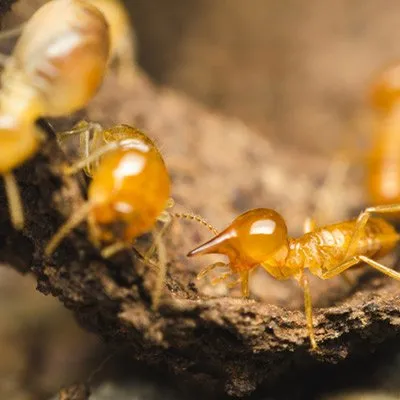 Pest & Termite Control Service[/caption]
Smart, Eco-Conscious Treatment Options
Liquid Barriers vs. Baiting Systems
When it comes to treatment, homeowners often choose between creating a chemical liquid barrier around the home or using bait stations. A liquid barrier acts as a continuous shield in the soil, killing termites that attempt to pass through it to reach the structure. Alternatively, baiting systems use a slow-acting toxicant that foraging termites carry back to the colony, effectively eliminating the population at its source.
The Green Advantage Safety Protocols
A passion for working with nature means selecting treatments that are tough on termites but safe for children, pets, and the local ecosystem. The Green Advantage prioritizes safety protocols that minimize environmental impact while maximizing efficacy against pests. By using targeted applications and low-toxicity products where possible, the goal is to solve the pest problem without introducing unnecessary risks to the household.
Long-Term Monitoring and Maintenance
Effective termite control is never a one-time event; it requires ongoing vigilance to ensure the protective measures remain intact. Annual inspections allow professionals to check for any breaches in the barrier or new signs of activity that may have arisen due to landscaping changes or weather events. Monitoring stations placed around the property serve as an early warning system, alerting technicians to pest pressure before it reaches the structure.
The Real Cost of Ignoring Pest Control
Prevention vs. Restoration Costs
The financial reality of termite and pest control is stark: investing in preventative measures is a fraction of the cost compared to the massive expense of restoration. Repairing structural beams, replacing hardwood flooring, and rebuilding compromised wall studs can run into thousands, if not tens of thousands, of dollars. Preventative treatments and inspections are a small, predictable expense that acts as insurance against these overwhelming repair bills.
Why Homeowners Insurance Often Denies Claims
Many homeowners are shocked to discover that their insurance policies typically classify termite damage as "preventable," meaning claims for repairs are often denied. Insurers view infestations as a maintenance issue that the homeowner should have addressed, leaving the property owner solely responsible for the costs.
Protecting Your Property Value
Whether a homeowner plans to sell in the near future or stay in the home forever, a history of termite damage can significantly lower the property's market value. During the sales process, a wood-destroying insect inspection is standard, and evidence of past or present infestation can derail a sale or force a drastic reduction in the asking price.
Why Choosing a Local Expert Matters
Knowledge of Local Pest Trends
Every region has specific soil types, weather patterns, and insect behaviors that influence how infestations occur. The Green Advantage leverages deep knowledge of these local trends to predict and prevent infestations specific to the community's environment. Understanding whether the neighborhood is prone to particular termite species or if local soil conditions degrade treatments faster allows for more accurate planning.
A Relationship Built on Trust
When calling The Green Advantage, a customer isn't routed to a distant call center but speaks with helpful staff who live in the community and care about solving unique problems. This direct line of communication builds a relationship based on trust and accountability.
Customized Solutions for Local Homes
Cookie-cutter solutions simply do not work for every house, as construction styles and neighborhood-specific environmental factors vary widely. The approach is always tailored to the specific needs of the property, whether it is a historic home with a stone foundation or a new build on a slab. By customizing the pest & termite control strategy, technicians ensure that the treatment addresses the specific vulnerabilities of the structure.
[caption id="attachment_698" align="aligncenter" width="400"] Pest & Termite Control Specialist[/caption]
Conclusion
The threat of termites and other wood-destroying pests is a silent but serious reality for homeowners. While they may be invisible to the naked eye for long periods, their impact on a home's structure and value is very real. Early detection and consistent prevention are the most effective tools for avoiding the financial burden and emotional stress of an infestation. Waiting until damage is visible often means waiting too long, turning a manageable maintenance issue into a major renovation project.
Ready to protect your home? Contact the knowledgeable team at The Green Advantage today. Let licensed professionals provide a thorough inspection and a plan that fits the household's needs perfectly.
The Green Advantage
https://maps.app.goo.gl/wzz1BewPEdKx96pQ6
14451 Reeder Rd, Crown Point, IN 46307, United States
(219) 779-9815
https://thegreenadvantage.biz/
