
Termite and Pest Control

Termite and Pest Control: How to Stop Silent Damage Before It Starts
In the world of home ownership, few phrases strike fear quite like "termite damage." Often referred to as "silent destroyers," termites and similar pests have earned this nickname for a terrifying reason: they work quietly, invisibly, and relentlessly. Unlike a burst pipe or a broken window, a pest infestation rarely announces itself with a loud bang. Instead, colonies expand in the dark, chewing through structural support beams, flooring, and wall studs while life continues as normal above ground. The damage caused by these pests is not just a structural issue; it is a financial one. Billions of dollars are spent annually in the United States on termite and pest control and repair costs, much of which is not covered by standard homeowner insurance policies. The insidious nature of these infestations means that a home can look perfectly healthy on the outside while being hollowed out from the inside. Fortunately, these silent threats do not have to result in catastrophic loss. The key lies in understanding how these pests operate, recognizing the subtle warning signs they leave behind, and implementing a robust prevention strategy. Pest control termite control is not just about reacting to bugs when they appear; it is about creating an environment where they cannot thrive.Unmasking the Enemy: Understanding Termite Behavior
Subterranean vs. Drywood Termites
Understanding the enemy is the first step in effective defense, and in the world of termite and pest control, knowing the difference between Subterranean and Drywood termites is crucial. Subterranean termites require contact with the soil to survive and typically build mud tubes to travel from the ground into a structure, attacking from the bottom up. In contrast, Drywood termites do not need soil contact or as much moisture; they can fly directly into attics or second-story eaves to infest furniture and framing.The "Silent" Signal: How Colonies Grow
A termite colony’s growth is a slow, methodical process that can easily go undetected by an untrained eye. A queen can lay thousands of eggs a day, yet the colony remains hidden deep underground or within the wood itself, avoiding light and open air. This allows the population to swell to hundreds of thousands of members over several years without triggering typical alarms like noise or visible bugs in the living areas.The Role of Moisture in Infestations
Moisture is practically a beacon for termites, drawing them toward a home’s foundation with the promise of survival. These pests are constantly seeking water to prevent their bodies from drying out, which is why leaky faucets, clogged gutters, or condensation around air conditioning units can be so dangerous. Even high humidity levels in a crawlspace can create the perfect microclimate for an infestation to take hold. [caption id="attachment_184" align="aligncenter" width="400"] Pest & Termite Control[/caption]
Early Warning Signs You Can’t Afford to Ignore
Deciphering Mud Tubes
One of the most definitive signs of a Subterranean termite invasion is the presence of mud tubes, which act as a protected superhighway for the insects. These pencil-sized tunnels are constructed from soil and wood particles, often appearing as vein-like structures running up concrete foundations or exterior walls. They protect the termites from predators and dehydration as they travel between their nest in the ground and their food source in the house.The Difference Between Flying Ants and Termite Swarmers
Springtime often brings swarms of flying insects, causing panic among homeowners who struggle to differentiate between harmless ants and destructive termites. A clear checklist can help distinguish the two: termites have straight antennae and a thick, uniform waist, whereas ants have elbowed antennae and a pinched, narrow waist. Additionally, termite wings are all equal in length, while flying ants have front wings that are longer than their back wings.Structural Clues: Bubbling Paint and Hollow Wood
Sometimes, pest control termite control issues disguise themselves as water damage, misleading homeowners into thinking they have a plumbing leak rather than an infestation. Uneven or bubbling paint can occur when termites eat the drywall paper or wood directly behind the painted surface, leaving only a thin layer of paint intact. Similarly, wood that sounds hollow when tapped or crumbles easily upon contact suggests that the interior has been consumed.The Green Advantage Inspection Process
Going Where You Can't
Licensed technicians at The Green Advantage pride themselves on conducting thorough inspections that go far beyond a superficial glance at the property. The inspection process involves crawling into tight, uncomfortable crawlspaces, navigating dusty attics, and meticulously checking the foundation perimeter to uncover threats hidden from the untrained eye.Utilizing Advanced Detection Methods
Decades of field experience are combined with modern tools to ensure a comprehensive assessment of a property's health. While visual inspections are critical, advanced detection methods allow technicians to identify moisture variances and activity occurring behind walls where the human eye cannot see. This technology helps pinpoint areas of concern without the need for invasive measures like tearing down drywall initially.Honest, Transparent Reporting
After an inspection is complete, findings are presented in plain, easy-to-understand language rather than technical jargon. The Green Advantage believes in educating customers, not confusing them, ensuring that every homeowner understands the severity of the situation and the available solutions. Whether the news is good or bad, the reporting is always honest and transparent, allowing families to make the best decision for their household needs.Beyond Termites: Other Silent Wood Destroyers
Carpenter Ants: The Excavators
While termites eat wood, carpenter ants damage homes by excavating it to build their nests, which can be just as structurally compromising. These large ants prefer moist or decaying wood but will readily move into sound wood as their colony expands. The tell-tale sign of their presence is often small piles of "frass," which looks like fine sawdust, located beneath the areas where they are digging.Powderpost Beetles and Old Houses
Powderpost beetles are smaller culprits that can turn solid beams into powder over time, posing a significant threat to hardwood floors and antique furniture. They are often found in older homes or in untreated hardwoods, where their larvae bore through the wood, reducing it to a flour-like dust.Carpenter Bees and Eave Damage
Carpenter bees might resemble fuzzy, harmless bumblebees, but their nesting habits can cause significant damage to eaves, decks, and siding. Unlike termites, they drill nearly perfect, round holes into wood to lay their eggs, creating tunnels that weaken the structure over time. While a single bee might not cause structural collapse, repeated drilling by multiple generations can lead to extensive water damage and rot in the affected areas.Practical Prevention Strategies for Homeowners
Managing Moisture Around the Foundation
One of the most effective ways to prevent pest issues is by making the perimeter of a home less hospitable through proper moisture management. Actionable steps include extending downspouts away from the foundation and ensuring that the ground slopes away from the house to prevent water accumulation. Repairing leaky outdoor faucets and checking irrigation systems for overspray can also keep the soil near the foundation dry.Eliminating Wood-to-Ground Contact
A common entry point for termites is where wooden structures come into direct contact with the soil, creating a bridge for pests to cross effortlessly. Creating a buffer zone is essential; wood siding should be at least six inches above the ground, and mulch should be pulled back from the foundation. Trellises, planter boxes, and fence posts should not touch the exterior walls or the earth directly near the home.Ventilation is Key
Improving airflow in crawlspaces and attics is a vital strategy for reducing the humidity levels that wood-destroying organisms need to survive and thrive. Proper ventilation prevents moisture buildup that can lead to wood rot and fungus, both of which serve as a dinner bell for termites and beetles. Installing active vents or vapor barriers in crawlspaces can drastically change the environment beneath a home, making it dry and unappealing to pests. [caption id="attachment_192" align="aligncenter" width="400"]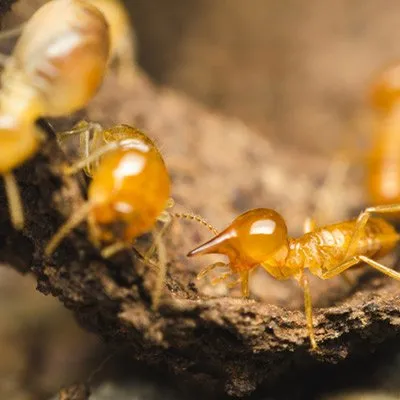 Pest & Termite Control Service[/caption]
Smart, Eco-Conscious Treatment Options
Liquid Barriers vs. Baiting Systems
When it comes to treatment, homeowners often choose between creating a chemical liquid barrier around the home or using bait stations. A liquid barrier acts as a continuous shield in the soil, killing termites that attempt to pass through it to reach the structure. Alternatively, baiting systems use a slow-acting toxicant that foraging termites carry back to the colony, effectively eliminating the population at its source.The Green Advantage Safety Protocols
A passion for working with nature means selecting treatments that are tough on termites but safe for children, pets, and the local ecosystem. The Green Advantage prioritizes safety protocols that minimize environmental impact while maximizing efficacy against pests. By using targeted applications and low-toxicity products where possible, the goal is to solve the pest problem without introducing unnecessary risks to the household.Long-Term Monitoring and Maintenance
Effective termite control is never a one-time event; it requires ongoing vigilance to ensure the protective measures remain intact. Annual inspections allow professionals to check for any breaches in the barrier or new signs of activity that may have arisen due to landscaping changes or weather events. Monitoring stations placed around the property serve as an early warning system, alerting technicians to pest pressure before it reaches the structure.The Real Cost of Ignoring Pest Control
Prevention vs. Restoration Costs
The financial reality of termite and pest control is stark: investing in preventative measures is a fraction of the cost compared to the massive expense of restoration. Repairing structural beams, replacing hardwood flooring, and rebuilding compromised wall studs can run into thousands, if not tens of thousands, of dollars. Preventative treatments and inspections are a small, predictable expense that acts as insurance against these overwhelming repair bills.Why Homeowners Insurance Often Denies Claims
Many homeowners are shocked to discover that their insurance policies typically classify termite damage as "preventable," meaning claims for repairs are often denied. Insurers view infestations as a maintenance issue that the homeowner should have addressed, leaving the property owner solely responsible for the costs.Protecting Your Property Value
Whether a homeowner plans to sell in the near future or stay in the home forever, a history of termite damage can significantly lower the property's market value. During the sales process, a wood-destroying insect inspection is standard, and evidence of past or present infestation can derail a sale or force a drastic reduction in the asking price.Why Choosing a Local Expert Matters
Knowledge of Local Pest Trends
Every region has specific soil types, weather patterns, and insect behaviors that influence how infestations occur. The Green Advantage leverages deep knowledge of these local trends to predict and prevent infestations specific to the community's environment. Understanding whether the neighborhood is prone to particular termite species or if local soil conditions degrade treatments faster allows for more accurate planning.A Relationship Built on Trust
When calling The Green Advantage, a customer isn't routed to a distant call center but speaks with helpful staff who live in the community and care about solving unique problems. This direct line of communication builds a relationship based on trust and accountability.Customized Solutions for Local Homes
Cookie-cutter solutions simply do not work for every house, as construction styles and neighborhood-specific environmental factors vary widely. The approach is always tailored to the specific needs of the property, whether it is a historic home with a stone foundation or a new build on a slab. By customizing the pest & termite control strategy, technicians ensure that the treatment addresses the specific vulnerabilities of the structure. [caption id="attachment_698" align="aligncenter" width="400"] Pest & Termite Control Specialist[/caption]
Conclusion
The threat of termites and other wood-destroying pests is a silent but serious reality for homeowners. While they may be invisible to the naked eye for long periods, their impact on a home's structure and value is very real. Early detection and consistent prevention are the most effective tools for avoiding the financial burden and emotional stress of an infestation. Waiting until damage is visible often means waiting too long, turning a manageable maintenance issue into a major renovation project. Ready to protect your home? Contact the knowledgeable team at The Green Advantage today. Let licensed professionals provide a thorough inspection and a plan that fits the household's needs perfectly. The Green Advantage https://maps.app.goo.gl/wzz1BewPEdKx96pQ6 14451 Reeder Rd, Crown Point, IN 46307, United States (219) 779-9815 https://thegreenadvantage.biz/Your Guide to Pest Control Cost Per Month in Crown Point, IN

When pests show up in your Crown Point home, one of your first thoughts is likely, "What's this going to cost me?" For a standard, preventative monthly plan, you can generally expect to invest somewhere between $40 to $75. It might seem like just another bill, but this consistent care from a trusted local provider like The Green Advantage is a far smarter—and more affordable—approach than waiting for an emergency.
What Is the Real Cost of Pest Control Per Month?
It helps to think of professional pest control less like a one-off repair and more like home insurance. You pay a predictable, manageable fee to protect your property’s value and your family’s health from local Northwest Indiana pests like ants, spiders, and rodents. A proactive plan from The Green Advantage gives you year-round peace of mind without a surprise hit to your wallet.
The alternative—waiting until you have a full-blown infestation—is almost always more expensive. A single emergency call to an exterminator for a severe ant or roach problem can easily run you hundreds of dollars. Worse yet, that one-time fee often doesn't cover the crucial follow-up visits needed to make sure the pests are truly gone for good.
Proactive Care vs. Reactive Emergencies
A monthly pest control plan is all about prevention. Our technicians create a protective barrier around your home and address potential entry points before pests get inside. It's a simple strategy, but it’s incredibly effective at stopping problems before they ever begin. This approach keeps your home consistently pest-free and helps you completely sidestep the stress and high cost of a sudden infestation.
When you look at major U.S. markets, including right here in Northwest Indiana, a comprehensive plan often lands in the $50-$100 range. This is especially true for services that cover both general pests and more destructive ones like termites.
Thinking about the numbers this way really highlights the financial sense behind a monthly plan. A small, predictable payment is much easier to handle than a sudden, large bill for an emergency cleanup.
Monthly Plan vs. One-Time Service Cost Comparison
Here’s a quick look at how the costs stack up when you compare a proactive monthly plan to a reactive, one-time service for common household pests in the Crown Point area.
| Service Type | Typical Monthly Plan Cost | Typical One-Time Emergency Cost |
|---|---|---|
| General Pest Control (Ants, Spiders) | $40 - $75 | $250 - $400 |
| Rodent Control (Mice, Rats) | Included in most plans | $300 - $600+ |
| Cockroach Infestation | Included in most plans | $350 - $700+ |
As you can see, the cost of a single emergency service can quickly exceed what you'd pay for an entire year of preventative care.
Understanding the True Value
The real value of monthly pest control goes far beyond just getting rid of bugs. It’s a vital part of your overall home maintenance strategy, one that actively safeguards your biggest investment. When you budget for homeownership, pest control is a key line item right alongside other rental property maintenance costs that protect your asset.
A consistent service plan from The Green Advantage in Crown Point delivers on multiple fronts:
- Property Protection: We stop wood-destroying insects like termites and carpenter ants before they can cause thousands of dollars in structural damage.
- Health and Safety: Our services reduce your family's exposure to pests like rodents and cockroaches that can carry diseases and trigger allergies.
- Peace of Mind: You can relax knowing your home is protected by local experts who truly understand the specific pest pressures we face in Northwest Indiana.
At the end of the day, a predictable monthly cost is far easier to budget for than a surprise four-figure bill. It transforms pest control from a reactive headache into a proactive, valuable investment in your home’s well-being.
Key Factors That Determine Your Monthly Pest control Price
One of the first questions people ask when looking for an exterminator in Crown Point, IN, is "How much will it cost?" It's a fair question, but the honest answer is: it depends. There’s no simple, one-size-fits-all price because every home and every pest problem is different.
Think of it like hiring a landscaper. A tiny, square lawn is a much different job than a sprawling yard with gardens, trees, and a steep hill. Residential pest control works the same way. The price is tailored to the specific work your property needs, ensuring you get effective protection without paying for services you don't require.
Let’s break down the main factors that go into your monthly pest control quote.
Your Property’s Size and Layout
The most basic starting point for any estimate is the size of your home. A larger home, especially one over 2,000 square feet, simply has more area to cover. Our technicians need more time and product to create a solid defensive barrier around a bigger foundation and treat all the potential entry points.
But it’s not just about raw square footage. The complexity of your home's layout is a big piece of the puzzle. We often see these features affecting the final price:
- Multiple Stories: A two or three-story home takes more time and specialized equipment to service than a single-level ranch.
- Crawl Spaces and Basements: Here in Northwest Indiana, these are notorious hotspots for pests. They require careful inspection and specific treatment methods.
- Attached Garages or Outbuildings: Every extra structure on your property is another potential home for pests, so we need to inspect and treat them for complete coverage.
Key Takeaway: The larger and more complex your home's footprint, the more resources are needed for thorough coverage. This is a fundamental principle in many home services. For instance, a look at the various factors affecting residential window cleaning costs shows a similar logic where size and complexity are major price drivers.
Type of Pest and Infestation Severity
Next, we have to consider what we're actually fighting. A general preventative plan that keeps common nuisances like spiders, silverfish, and most ants at bay is going to be your most affordable option.
Things change when you’re dealing with more challenging pests. A stubborn German cockroach problem, for instance, requires a far more intensive strategy than managing a few spiders in the basement. Similarly, services for wood-destroying insects like termite control are in a class of their own. Because termites can cause immense structural damage, their treatment is highly specialized and priced separately from general pest plans.
Just as important is the severity of the problem. A few ants wandering across your kitchen counter is one thing; a massive, established colony living inside your walls is another challenge entirely. A heavy, active infestation will almost always need a more aggressive initial service to knock the population down. This can make the first bill higher, but it allows us to get the situation under control before we settle into a predictable monthly maintenance fee. It’s always cheaper to tackle a pest issue early on.
Service Frequency and Treatment Methods
How often we visit your home also shapes your monthly cost. Here at The Green Advantage, we offer different schedules to fit your specific situation, from monthly to quarterly visits. A monthly plan is the gold standard for continuous protection, especially for homes that seem to be pest magnets. While the total annual cost is higher, the price for each visit is lower, and you get unbeatable peace of mind.
The methods we use also play a role. We are committed to eco-friendly pest control, which means we lean heavily on Integrated Pest Management (IPM). This isn't about blanketing your property in chemicals. It's a smarter approach that uses targeted applications and long-term prevention. We always use the safest, most effective products available, but some tough cases—like bed bugs or certain aggressive wasps—may call for specialized treatments that can affect the cost.
It’s all about finding the right balance between a fair price and high-quality, lasting results. We believe in being transparent about this, and you can learn more about how we approach the balance between price and quality in our detailed guide on the topic.
What's the Right Pest Control Schedule for You?
Figuring out how often you need an exterminator is just as crucial as picking the right company. Should you get a monthly plan, have someone come out quarterly, or just wait until you see a bug? There's no single right answer—the best choice for your Crown Point home really comes down to your budget, your peace of mind, and just how much you can tolerate creepy crawlies.
Here in Northwest Indiana, the seasons dictate which pests are knocking at your door. Spring brings those relentless ant trails to the kitchen. Summer means mosquitoes crashing your backyard cookouts. And as soon as it gets cold, spiders and mice start looking for a warm place to spend the winter. It’s a never-ending cycle, which is why a consistent, preventative plan almost always makes the most sense.
Monthly Pest Control Plans: Your Ultimate Defense
A monthly service offers the most thorough protection you can get, creating a solid, unbroken shield around your home. This frequency is a great fit for people who want zero surprises and for properties that just seem to be pest magnets.
- Who it's for: Homes with a history of stubborn pest problems, larger properties with lots of potential entry points, or anyone who simply wants the strongest protection available.
- The biggest plus: It’s incredibly effective against fast-breeding bugs like ants, roaches, and spiders. With monthly visits, our technicians can spot trouble and adjust treatments immediately, stopping a small problem from becoming a nightmare infestation.
Think of it like tending a garden. A little bit of water on a regular basis keeps everything healthy and strong. A monthly plan is that same kind of consistent care for your home, making sure pests never even get a chance to settle in.
Quarterly Pest Control Plans: The Proactive Sweet Spot
For most homeowners in the Crown Point area, a quarterly plan hits that perfect sweet spot between effective prevention and a friendly budget. A visit every three months allows us to tailor treatments to whatever pest is most active that season, keeping you ahead of the game.
- Who it's for: The majority of single-family homes around here that aren't dealing with a severe, active infestation. It’s a fantastic, proactive way to maintain a pest-free home.
- The biggest plus: Quarterly service establishes a powerful, preventative barrier. The schedule is specifically designed to interrupt pest life cycles, so populations never get a foothold in the first place. It delivers outstanding value throughout the year.
This visual guide can help you see how factors like your home's size and the severity of the issue point toward the right service frequency.
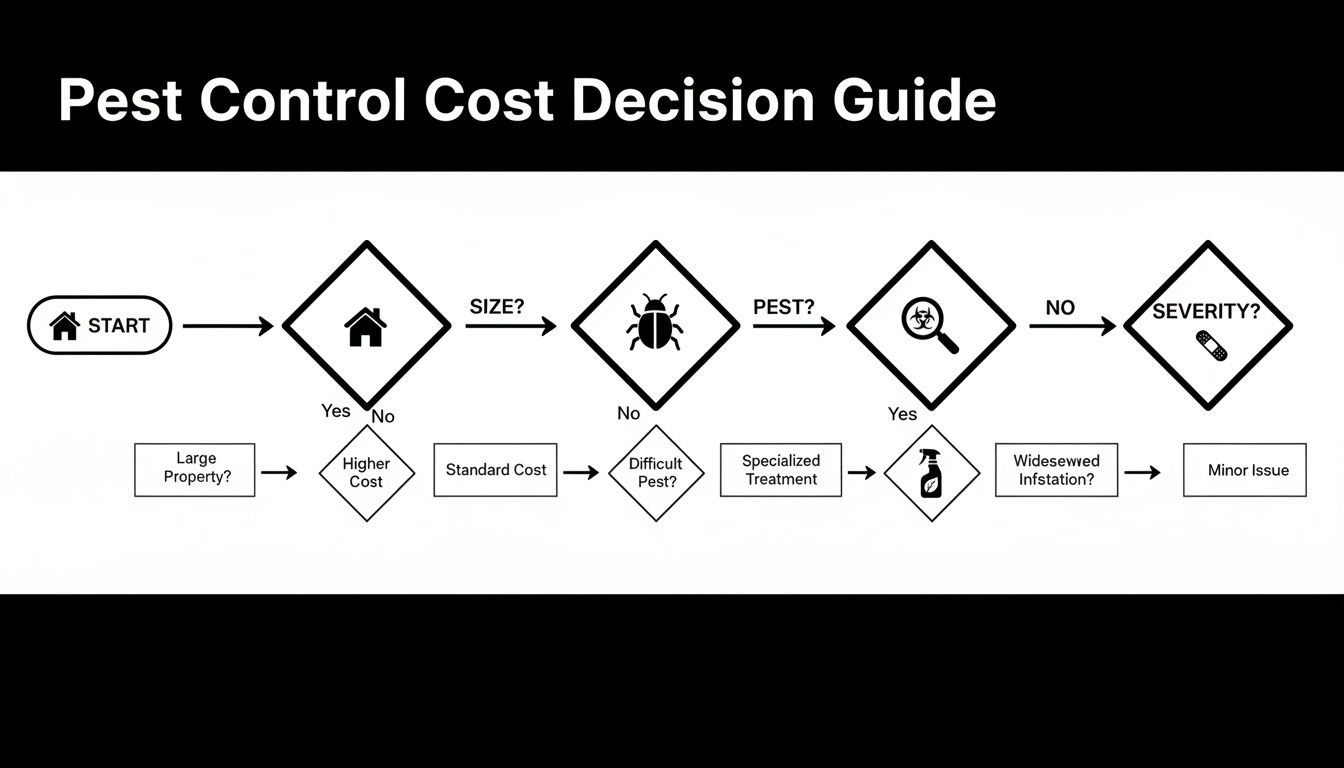
As you can see, the bigger the property or the worse the pest problem, the more a frequent service schedule just makes sense.
One-Time Services: The Reactive Fix
A one-time, or "as needed," service is exactly what it sounds like: a targeted treatment for a single, immediate problem. You see pests, you call us, we fix it. While this works for isolated incidents, it’s a purely reactive strategy.
Important Consideration: A one-time treatment is often a more expensive, short-term fix. It solves the problem you can see right now, but it does nothing to prevent the next pest from showing up. You might pay $250-$400 for a single ant treatment, which is often more than what several months of preventative care would cost.
This approach is like only going to the doctor when you’re sick instead of getting regular check-ups. It works in a pinch, but it doesn't address the underlying cause and leaves you vulnerable to the next thing that comes along. At The Green Advantage, our goal is to help you choose the plan that truly fits your needs, whether that’s a quick fix or a long-term partnership for total peace of mind.
What a Standard Monthly Pest Control Plan Includes
When you sign up for a monthly pest control service, you’re getting much more than just a quick spray. Think of it as an ongoing partnership to keep your Crown Point home healthy and bug-free. The real value is in the consistent protection that adapts to our changing Northwest Indiana seasons and the specific critters that come with them.
A good plan, like the one we offer at The Green Advantage, acts as a complete shield for your property. It’s all about being proactive instead of just reacting to a problem. Across the country, homeowners typically spend between $40 to $75 per month for professional services, usually with an annual agreement. This is a growing trend—market forecasts show a potential 42.5% growth share in North America alone, a testament to how many people are choosing prevention over infestation. You can read more about this growing demand on OpenPR.com.
So, what does that monthly investment actually get you? Let's walk through what a standard residential pest control plan should always cover.
A Thorough Initial Inspection
Our work always begins with a deep dive into your property. A certified technician will perform a complete top-to-bottom inspection of your home, inside and out. This isn't just a quick peek—it's a detailed diagnostic to figure out exactly where your home is vulnerable.
During this first visit, we’re looking for a few key things:
- Pest Hotspots: We find where pests are currently living, eating, or nesting. This could be anywhere from behind your kitchen appliances to the quiet corners of your basement or attic.
- Entry Points: We identify all the tiny cracks and gaps pests use as a personal doorway into your home, like openings around pipes, window frames, and the foundation.
- Conducive Conditions: We search for anything that might be attracting pests in the first place, such as moisture problems, woodpiles stacked against the house, or overgrown bushes.
Application of a Protective Exterior Barrier
The heart of any good pest control strategy is a strong barrier around the outside of your home. This is your first and best line of defense. Our technicians apply a long-lasting, eco-friendly treatment around the entire foundation, paying special attention to entry points like doors, windows, and utility lines.
Our Proactive Approach: Think of this exterior barrier like a security system for your house. It’s designed to stop pests before they ever get a chance to set foot inside, giving you peace of mind all year round.
This treatment is formulated specifically for the common pests we deal with here in Crown Point, IN, including ants, spiders, and centipedes. By focusing our efforts on the exterior, we dramatically reduce the need for chemicals inside your home.
Targeted Interior Treatments and Web Removal
While our main goal is to keep pests out, we’ll tackle any existing problems inside with precision and care. If some critters have already found their way indoors, our technician will use targeted treatments to eliminate them right at the source. We always rely on family-friendly products and Integrated Pest Management (IPM) techniques to ensure the safety of your kids and pets.
A simple but satisfying part of every visit is also the physical removal of spider webs and wasp nests from your eaves, porches, and other accessible spots. This instantly cleans up your home's appearance and gets rid of the very structures these pests use to thrive. It’s an immediate improvement you’ll notice right away.
Ongoing Monitoring and Follow-Up
A monthly plan isn't a one-and-done deal. It’s a continuous cycle of protection. With every visit, our technician is checking for new pest activity, making sure the exterior barrier is holding strong, and adjusting our approach based on the season.
This ongoing relationship is what makes a monthly plan so effective. If you spot any pests between our scheduled services, our guarantee means we’ll come back to take care of it at no extra charge. That's the promise of a true pest control partnership—we handle the pests, so you can simply enjoy your home.
The Hidden Costs of DIY Pest Control
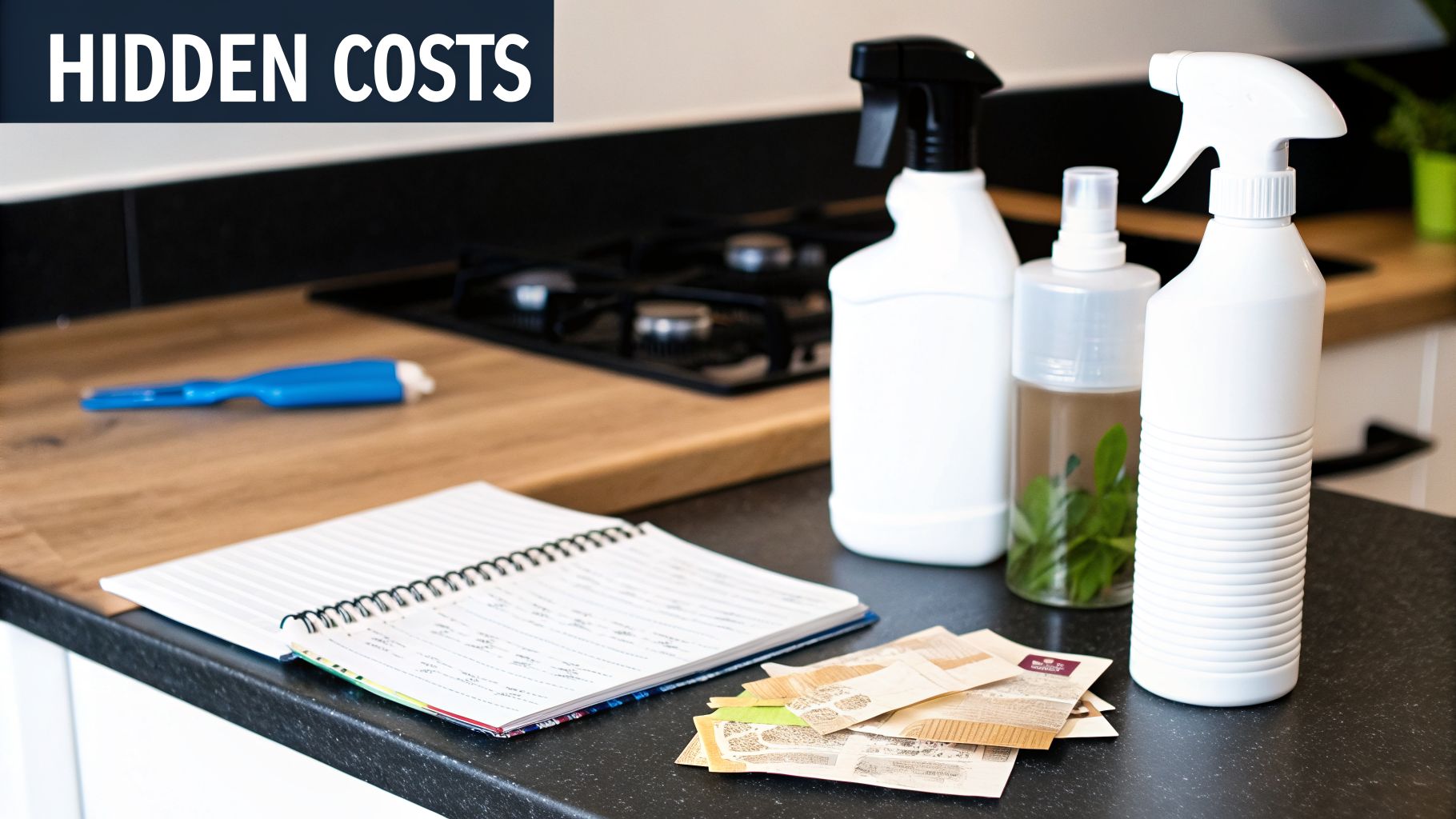
When you see that first line of ants marching across the kitchen counter, your first instinct is probably to run to the store. It makes sense. A quick trip for a $15 can of bug spray feels like a cheap, easy fix. But what we see time and time again is that this "quick fix" ends up being a frustrating and surprisingly expensive rabbit hole.
The real cost of going it alone isn't what you pay for that first can of spray. It's all the hidden costs that creep in when those off-the-shelf products just don't work. Trying to play exterminator yourself often turns into a cycle of buying more traps, more sprays, and more baits that only knock down the pests you can see, leaving the real problem—the nest—to thrive and grow.
Ineffective Products and Recurring Infestations
Those one-size-fits-all products from the hardware store are made for a general audience. They simply don't have the targeted strength to wipe out a stubborn, established colony, especially with resilient pests like the ant species and cockroaches we see all over the Crown Point area.
This weakness creates a vicious cycle. You spray, the bugs disappear for a week, and you think you’ve won. Then they're back. Why? Because you only got the foragers, not the source of the problem hiding in your walls or deep in the soil. This constant battle has a real price tag.
- Endless Repurchasing: You're back at the store every few weeks, and those small purchases start to add up to more than a single professional treatment would have cost.
- Wasted Time and Effort: Your weekend is now a mission of setting traps and spraying baseboards when you could be enjoying your home.
- Escalating Problems: While you’re busy with your DIY experiments, the infestation is only getting bigger, making it that much harder (and costlier) to eliminate later.
The Risk of Property Damage and Health Hazards
It's not just about the money you're wasting on ineffective products. There’s a much bigger financial risk: your property. Using the wrong chemicals can stain your carpets, warp your hardwood floors, or peel paint. Even worse, if you mis-treat something like carpenter ants, you’re just giving them more time to chew through the structure of your home.
And then there's the safety of your family. Mixing different chemicals or using them in the wrong places can create a real health hazard for your children and pets. Store-bought products don't come with a trained expert who can make sure they’re applied safely.
Professional pest control isn't just about killing bugs; it's an investment in expertise. A licensed technician from The Green Advantage knows exactly what products to use, where to apply them, and how to do it safely, protecting both your property and your loved ones.
Professional Service Is the Most Cost-Effective Choice
When you step back and compare the hamster wheel of DIY spending against the guaranteed results from a professional, the smarter financial choice becomes obvious. A predictable monthly pest control cost is an investment in a real solution, not just a band-aid. It breaks the cycle of repurchasing and shields you from the risk of expensive property damage.
Instead of guessing, you’re hiring a local expert who knows the specific pest pressures here in Crown Point, IN, and can build a plan that actually gets the job done. You can read more in our guide on why DIY pest control is a false economy. In the long run, bringing in a pro is the most reliable and genuinely affordable way to protect your home and reclaim your peace of mind.
Why Crown Point Homeowners Choose The Green Advantage
When you're looking for someone to handle pests in your Crown Point home, what really matters? It’s not just about getting rid of bugs—it’s about trusting the people you let into your home and knowing they have the right expertise for our area. We live and work right here in Northwest Indiana, so we're not some big, faceless corporation. We're your neighbors, and we’re committed to protecting our community.
Our whole approach is built on a simple idea: keeping your family and home safe. We know the thought of bringing treatments into your living space can be a real concern, which is why we've focused on eco-friendly pest control methods from day one. These solutions are tough on pests but gentle on your home environment.
A Focus on Family Safety and Local Knowledge
Nothing is more important than your family's well-being. That’s why we specialize in solutions that are mindful of children and pets, using an Integrated Pest Management (IPM) approach. This isn't just a buzzword for us; it’s a philosophy that helps us get maximum results with minimal product use.
Our deep roots in Northwest Indiana also give us a huge advantage. We know the specific pest pressures that homeowners in Crown Point deal with throughout the year—from the ants that march into kitchens every spring to the spiders trying to find a warm spot in the basement come fall.
This local knowledge means we can be proactive, not just reactive.
- We Know the Pests: We’re experts on the specific ant species, wasps, and other critters that are common in our region and how to best deal with them.
- We Know the Seasons: Our strategies change with the seasons, targeting the pests that are most active right now in Northwest Indiana.
- We Know the Homes: From historic houses to new construction, we understand the common building styles in the area and, more importantly, all the places pests love to hide.
What really seems to make a difference for our clients is the personal experience. When you call us, you get a friendly, knowledgeable person on the line, not a call center thousands of miles away. Our technicians take the time to actually listen to your concerns and walk you through the entire solution.
Honest Pricing and a Simple Process
Nobody likes surprise fees or getting locked into a confusing contract. We believe in being completely transparent with our pricing so you know exactly what your monthly pest control cost covers. We've designed our entire process to be as simple and stress-free as possible, from the first phone call to our guaranteed follow-ups.
Ready to solve your pest problems for good? Partner with the local exterminator your Crown Point neighbors have come to trust. We'll protect your home with expertise you can count on and service you can feel good about.
Answering Your Questions About Pest Control Costs
It’s only natural to have a few questions before investing in professional pest control, especially around the cost and whether it’s truly necessary. We get it. Here are some straightforward answers to the questions we hear most often from homeowners here in the Crown Point area.
Is Monthly Pest Control Really Necessary In Northwest Indiana?
For our region, the short answer is yes. The thing about Northwest Indiana is that our four distinct seasons keep pests on the move all year long. A proactive monthly plan is about staying one step ahead.
It stops the spring ant invasion before it starts, keeps summer mosquitoes from taking over your yard, deals with the fall spiders trying to move in, and prevents winter rodents from seeking warmth in your walls. It’s far more effective—and less stressful—than dealing with one full-blown infestation after another.
Will I Be Locked Into a Long-Term Contract?
We don't believe in locking our customers into rigid, long-term contracts. At The Green Advantage, we’d rather earn your business with every single visit.
We use flexible service agreements that we can tailor to what you actually need. Our goal is to give you peace of mind with service that works, not to tie you down with a signature. We'll always work with you to find a plan that feels right for your home and your budget.
Are Your Pest Control Products Safe For Kids And Pets?
Absolutely. The safety of your family is our top priority. It's why we specialize in eco-friendly pest control methods that are both effective and responsible.
Our certified technicians are trained in Integrated Pest Management (IPM), a strategy that focuses on solving pest problems with minimal product use. We apply treatments smartly and safely.
We always take a moment to explain what we’re using and point out any simple precautions, like letting a treated area dry completely. This keeps you informed and comfortable, which is why so many families trust us as their exterminator in Crown Point, IN.
How Quickly Will I See Results After The First Treatment?
You should see a dramatic reduction in pest activity within the first 24 to 48 hours. Some pests are gone almost immediately, while others may take a day or two.
But remember, a good pest control plan is about long-term prevention, not just a one-time fix. The protective barrier we create around your home is designed to last for weeks, and our regular follow-ups ensure it stays that way. This approach is what stops new pests from ever getting a foothold in the first place.
Ready to protect your home with a plan that fits your family and your budget? The Green Advantage provides expert, family-safe pest control throughout the Crown Point area. Get your free, no-obligation quote today.