
NPMA 33
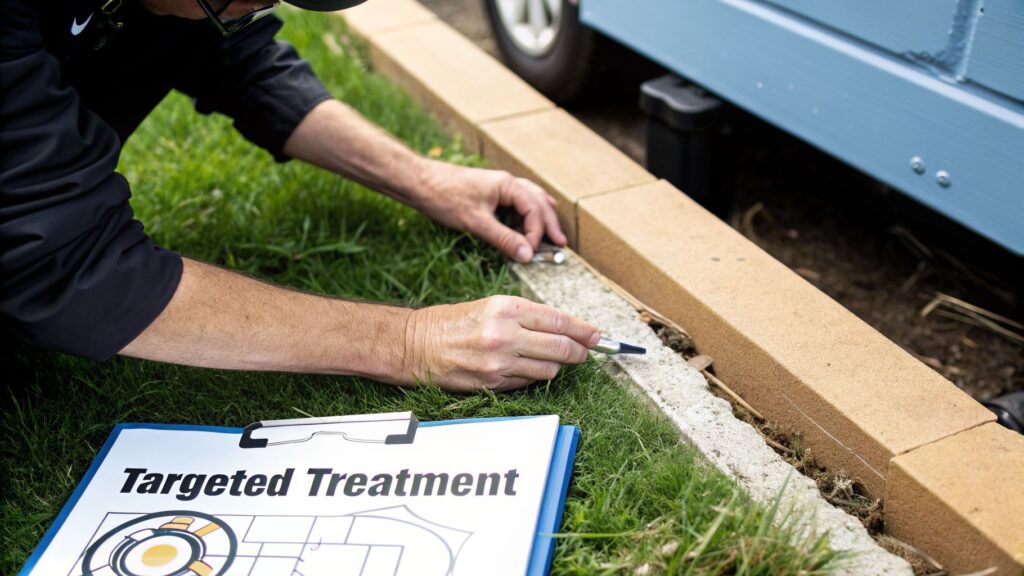
Understanding NPMA 33: The Gold Standard in Pest Inspections
 Ants vs Termites as Wood Destroying Insects[/caption]
Wood Destroying Insect Inspection Near Me

Don’t Let Termites Win: Find the Best Wood Destroying Insect Inspection Near Me
WDI Inspection Near Me

Termite Control Services

From Infestation to Prevention: What Termite Control Services Actually Do
Finding a mud tube climbing up your foundation or seeing a swarm of winged insects in your living room creates a unique kind of sinking feeling. It is a stressful moment for any homeowner, often accompanied by immediate worries about property value and safety. However, this discovery is not a situation you have to face alone, nor is it necessarily a catastrophe if handled correctly. Professional help is designed specifically to lift that burden off your shoulders immediately, transforming a moment of panic into a structured plan of action.
Many homeowners fear the unknown when it comes to pest control—will the treatment be disruptive? Is it safe for the family dog? Is it going to require tearing up the floorboards? Modern termite control services act as a science-based, step-by-step process that moves methodically from immediate crisis management to long-term peace of mind. It is not about guessing; it is about applying proven biological and chemical principles to eliminate the threat completely.
The Initial Assessment: More Than Just a Glance
Mapping the Activity Zones
A professional inspection goes far beyond looking at the one spot where a bug was spotted. A systematic inspection of the entire property is conducted—from the damp corners of the basement to the wooden rafters of the attic—to map out the full extent of the colony's reach. Technicians look for subtle signs like bubbling paint, discarded wings near windowsills, or mud tubes on exterior walls, creating a comprehensive map of "hot spots" that need immediate attention.
Identifying the Species
Not all termites operate in the same way, which makes identifying the specific species critical for success. Subterranean termites require soil-based treatments because they live underground, while drywood termites live entirely within the wood they consume and require a completely different approach. Licensed professionals use their training to distinguish between these species based on physical characteristics and evidence left behind, ensuring the chosen strategy effectively targets the specific invader threatening the home.
Assessing Structural Vulnerability
Beyond the pests themselves, experts look closely at the damage that may have already occurred. This involves checking for structural integrity issues, such as hollowed-out support beams, sagging floors, or spongy wood that crumbles under pressure. By assessing the severity of the damage, the team can provide a complete picture of the home's health, offering recommendations not just for killing the bugs, but for any necessary repairs to ensure the home remains safe and sound.
[caption id="attachment_184" align="aligncenter" width="800"] Professional Termite Control Service[/caption]
Choosing the Right Attack Plan: Customization is Key
Liquid Treatments vs. Baiting Systems
There is rarely a one-size-fits-all solution when it comes to effective pest management. Professionals typically break down the two main approaches: creating a continuous liquid chemical barrier in the soil to block entry, or installing strategic bait stations to intercept foraging workers. The choice depends on construction type, soil conditions, and the severity of the infestation, and a good technician helps explain which method creates the strongest defense for that specific situation.
Safety and Environmental Considerations
The well-being of the family and pets is always the top priority during product selection. Modern termite control services focus on selecting products that are tough on pests but responsible toward the immediate environment, ensuring safety for children and animals. This part of the planning process involves discussing where treatments will be applied and what precautions are necessary, ensuring the solution solves the problem without introducing new worries.
The Green Advantage Consultation
Handing over a quote is not enough; a conversation is required to ensure total comfort with the plan. This commitment involves sitting down to explain the proposed strategy in plain English, answering every question about timelines, products, and costs. Ensuring the homeowner feels confident and informed before any work begins builds a partnership based on trust rather than just a transaction.
The Treatment Phase: Addressing the Active Infestation
Trenching and Drilling Explained
If a liquid treatment is selected, the process often involves digging a shallow trench around the home's foundation or drilling small, precise holes in concrete slabs. This allows the treatment to be placed exactly where the termites travel—deep in the soil against the foundation—rather than just spraying the surface where sunlight and rain would degrade it.
Installation of Monitoring Stations
For baiting systems, precision placement is everything to ensure the colony finds the bait. Technicians strategically place stations around the home's perimeter at specific intervals to intercept foraging termites and introduce a slow-acting bait. This method requires no trenching and effectively turns the termites' own foraging behavior against them, eventually leading to the elimination of the colony.
Interior Spot Treatments
Sometimes, the fight needs to be taken directly inside the home to address immediate activity. When live termites are found within wall voids or specific wood members, precision applications are used to halt immediate damage without disrupting daily life. These targeted treatments deal with the active threat inside while the exterior perimeter treatment prevents new invaders from entering.
Addressing Conducive Conditions: Changing the Environment
Moisture Control is Pest Control
Termites thrive in damp environments, so controlling moisture is essentially a form of pest control. Experts identify sources of excess water—like leaky pipes, poor drainage near the foundation, or condensation build-up—and provide specific recommendations to dry out these areas. By removing the water source, the home becomes significantly less attractive to pests, forcing them to look elsewhere for a hospitable environment.
Eliminating Wood-to-Ground Contact
Wood touching the soil acts as a "bridge" for termites, allowing them direct, unseen access into the structure. Practical advice is provided on correcting issues where siding, deck posts, or door frames touch the earth, often suggesting simple adjustments like cutting back siding or using concrete footings. Creating this necessary buffer zone forces termites out into the open where they can be seen and treated, rather than allowing them a hidden highway into the house.
Ventilation Improvements
Stagnant air in crawlspaces or basements breeds the humidity that supports termite survival. The importance of proper ventilation is often discussed, along with how installing vapor barriers or automatic vents can reduce humidity levels. Improving airflow creates a drier environment that protects the wood structure and makes it difficult for moisture-loving pests to establish a foothold.
[caption id="attachment_698" align="aligncenter" width="800"] Termite Control Service[/caption]
The Science of the "Transfer Effect"
Using Social Behavior Against Them
Termites are highly social insects that constantly groom and feed one another, a behavior that modern treatments exploit. Non-repellent treatments are designed so that termites do not detect the chemical; instead, they pass through it and unknowingly carry the control agent on their bodies. When they return to the nest and interact with others, they pass the agent along, creating a domino effect that spreads throughout the population.
Targeting the Queen
The ultimate goal of professional treatment isn't just to kill the workers seen foraging; it is to stop reproduction. Professional applications are designed to cascade through the colony hierarchy, eventually reaching the queen. Once the queen is affected and can no longer reproduce, the entire population collapses, ensuring that the infestation is truly gone rather than just temporarily suppressed.
Why Over-the-Counter Sprays Fail
Understanding the "transfer effect" highlights the key difference between DIY attempts and professional care. Store-bought repellent sprays act as a barrier that termites can smell and avoid, often causing them to scatter to new, untreated areas of the home rather than eliminating them. Professional non-repellents ensure the colony remains unaware of the danger until it is too late, solving the root cause rather than just treating the symptom.
Post-Treatment Protection: The Job Isn't Done Yet
The Follow-Up Inspection
Effectiveness needs verification, so the job isn't finished the moment the truck drives away. A protocol is in place for returning to the home after the initial treatment to inspect for any new activity and ensure the colony has been successfully eradicated. This follow-up confirms that the treatment plan worked as intended and gives the homeowner proof that their investment has paid off.
Monitoring Station Maintenance
If bait stations were used, they require regular checking to remain effective. Routine service visits are scheduled to inspect stations, replenish bait, and monitor for any signs of new termite pressure from neighboring areas. This ongoing vigilance ensures that the defensive perimeter remains unbroken and ready to intercept any new colonies that might try to move in.
Warranty and Peace of Mind
Professional service comes with a promise that protects the homeowner's investment. The value of a service warranty or bond is significant; it ensures that if the pesky invaders manage to return, the professionals do too—at no extra cost. This guarantee transforms termite control from a one-time expense into a long-term insurance policy for the property.
Prevention for the Long Haul: Partnering with The Green Advantage
Annual Inspections are Mandatory
Termites are relentless, and environmental conditions around a home can change rapidly. An annual inspection acts as the most cost-effective insurance policy for a home, catching potential new issues before they become expensive disasters. Regular checks allow professionals to spot the early warning signs of new activity or conducive conditions, keeping the property secure year after year.
A Relationship Based on Knowledge
The Green Advantage aims to be an ongoing resource for every client. The helpful staff remains available to answer questions about landscaping changes, home renovations, or drainage updates that might impact termite protection. Sharing knowledge ensures that homeowners don't accidentally compromise their termite defense while improving other aspects of their property.
Working with Nature for a Safer Home
Prevention is a passion that blends deep knowledge of nature with modern pest control techniques. Maintaining a healthy, balanced ecosystem around the home naturally discourages pests without relying solely on chemicals. By understanding how nature works, strategies can be implemented that protect the home while respecting the local environment.
[caption id="attachment_675" align="aligncenter" width="800"] Termite Control[/caption]
From Panic to Protection
The journey from discovering an infestation to establishing a secure, termite-free perimeter can feel overwhelming, but it follows a clear, logical path. From the initial shock of discovery to the precise application of science-based treatments, every step is designed to restore safety and comfort. You do not have to live in fear of these silent destroyers; there is a clear, effective solution available.
Don't let the fear of termites keep you up at night or stop you from enjoying your home. Contact the knowledgeable team at The Green Advantage today to schedule an inspection. Let the local experts build a customized defense plan that keeps your home safe for years to come.
The Green Advantage https://maps.app.goo.gl/wzz1BewPEdKx96pQ6 14451 Reeder Rd, Crown Point, IN 46307, United States (219) 779-9815 https://thegreenadvantage.biz/
Pest Control for Termites
Pest Control for Termites: Early Detection Tips That Could Save Thousands
Imagine realizing your home has been slowly consumed from the inside out, only after the damage is irreversible. It’s a nightmare scenario for any homeowner, yet it happens more often than you might think. Termites are responsible for an estimated $5 billion in property damage annually in the United States alone. The most alarming part of this statistic isn't just the sheer volume of destruction; it’s the fact that most homeowners' insurance policies specifically exclude termite damage from their coverage. However, there is good news in this battle against the "silent destroyer." Knowledge really is power when it comes to protecting your property. While termites are elusive, they are not invisible to the trained eye—or the informed homeowner. Early detection is the single most effective tool available to mitigate potential disasters. At The Green Advantage, the goal is to be more than just service providers; the aim is to be dedicated neighbors and partners in home maintenance. This guide has been crafted to share decades of field experience directly with you, empowering you to protect your home with the same level of vigilance that licensed pest control for termites bring to every job.The Science of Silence: How Termites Stay Hidden
Cryptic Behavior Explained
Termites are masters of stealth, driven by a biological imperative that keeps them out of sight. Unlike ants or roaches that might scurry across a kitchen counter, subterranean termites require protection from light and air to survive. Their soft bodies dry out quickly when exposed to the open environment, which forces them to remain hidden inside the wood they consume or deep underground within their colonies.The "Inside-Out" Eating Pattern
The deceptive nature of termite damage lies in their specific consumption habits. These pests eat wood from the inside out, methodically hollowing out timber while leaving the outer layer of paint, varnish, or wood grain completely intact. This creates a thin, paper-like veneer that hides the devastation occurring underneath. A structural beam or a door frame might look perfectly normal on the outside, showing no visible signs of distress, yet be completely structurally compromised on the inside.Seasonal Activity vs. Year-Round Threat
There is a common misconception among homeowners that termites are only active during the spring. While it is true that "swarming"—the reproductive flight where winged termites leave to start new colonies—typically occurs in warmer, seasonal weather, the colony itself does not sleep. The eating and damaging process continues silently 24 hours a day, 7 days a week, 365 days a year. Termites do not hibernate; they simply retreat deeper into the soil or the center of the home to stay warm during winter months. [caption id="attachment_698" align="aligncenter" width="800"] Pest Control for Termites[/caption]
Inspecting Your Foundation: The First Line of Defense
Identifying Mud Tubes
One of the most definitive signs of a subterranean termite infestation is the presence of mud tubes. These small, dirt-colored tunnels are essentially protected highways that termites build to travel between their underground colony and the food source—your home. Usually about the width of a pencil, these tubes can be found running up foundation walls, across concrete slabs, or even through cracks in the flooring.Checking for Moisture Accumulation
Termites thrive in damp environments, and moisture control is a critical aspect of prevention. It is vital to regularly inspect the home's perimeter for any areas where water might be pooling or accumulating. Common culprits include dripping outdoor faucets, air conditioning condensation lines that drain too close to the house, or downspouts that do not divert rainwater far enough away from the foundation.Cracks and Expansion Joints
Even the most solid concrete slab foundations have weak points that can serve as entryways. Over time, microscopic cracks can form in the foundation due to settling, or gaps may open up around plumbing pipes and utility lines that penetrate the slab. These tiny fissures are open doors for subterranean termites, who can squeeze through gaps as small as 1/32 of an inch.Interior Warning Signs You Shouldn't Ignore
Stuck Windows and Doors
When windows become difficult to open or doors start jamming against their frames, it is easy to blame high humidity or the house settling. However, this can often be a subtle indicator of termite activity. As termites tunnel through door frames and window sills, they introduce moisture into the wood from the soil and their own biological processes.The "Blistered Paint" Phenomenon
Wall surfaces can tell a story about what is happening behind them. If drywall or wood trim begins to look like it has water damage—appearing uneven, bubbling, or peeling—but there is no evidence of a plumbing leak or roof issue, termites could be the cause. As they eat away at the drywall paper or the wood behind the paint, they leave only a thin layer of paint on the surface.Quiet Clicking Sounds
In the quiet moments of the night, an attentive homeowner might actually hear termites at work. When soldier termites perceive a threat to the colony, they bang their heads against the wood or shake their bodies to signal danger to the other termites. This behavior produces a dry rattling or quiet clicking sound that can sometimes be heard coming from inside the walls. While it is faint, hearing this noise is a serious red flag that requires immediate action.The Green Advantage Professional Inspection
Expert Eyes on Hard-to-Reach Places
While self-inspections are valuable, professional licensed technicians go where the average homeowner cannot or should not go. A professional inspection involves a thorough examination of tight crawlspaces, dark attics, and sub-flooring areas that are difficult to access. These hidden zones are often where infestations begin and thrive undisturbed.State-of-the-Art Detection Tools
Modern pest control relies on more than just visual checks; it utilizes advanced technology to see the unseen. The Green Advantage employs state-of-the-art diagnostic tools, such as moisture meters, to detect conditions conducive to termite activity behind finished walls. These tools can identify areas of high moisture content that may indicate a hidden infestation without the need to cut holes in drywall or tear up floorboards.Honest, Educational Reporting
The value of a professional inspection lies not just in finding the problem, but in understanding it. After the assessment is complete, the findings are presented to the homeowner in plain, easy-to-understand language. Transparency is a core value, so the report details the severity of any issues found, the specific type of termite activity observed, and the potential risks involved. [caption id="attachment_675" align="aligncenter" width="800"] Termite Control[/caption]
Outdoor Hazards That Invite Termites In
Wood Mulch and Garden Beds
That beautiful layer of wood mulch placed right up against the siding might look aesthetically pleasing, but it can act as a bridge for pests. Wood mulch retains moisture and provides a food source, creating an ideal environment for termites right next to the foundation. When this organic material touches the home's siding or brick veneer, it allows termites to bypass treated soil and enter the structure directly.Firewood and Lumber Storage
Stacking firewood or spare lumber against the side of the house is a common practice that effectively asks for trouble. This wood pile provides a direct food source and a shelter for termites, drawing them closer to the main structure. Once they have infested the firewood, it is a short journey for them to migrate into the home's framing. Practical prevention involves storing all firewood and lumber at least 20 feet away from the house and keeping it elevated off the ground on a metal rack.Dead Trees and Stumps
An old tree stump left to rot in the backyard is often more than just an eyesore; it is a potential colony headquarters. Decaying roots and stumps provide a massive, easy-to-access food source for subterranean termites, allowing populations to explode in close proximity to the home. As the colony grows and consumes the stump, they will inevitably forage outward looking for new resources, putting the nearby house at risk.Proactive Measures to Fortify Your Home
Ventilation and Moisture Control
A dry home is generally a safe home when it comes to termite prevention. Proper ventilation in crawlspaces and attics is essential for keeping humidity levels low, which makes the wood in the home less attractive to wood-destroying organisms. Subterranean termites require moisture to survive, and dry structural wood is much harder for them to infest.Sealing Entry Points
Physical exclusion is a vital part of any pest control strategy. Homeowners should conduct a thorough review of the property to seal gaps around utility lines, pipes, and vents. Using high-quality caulk or expanding foam to fill these openings makes it physically difficult for termites and other pests to enter the structure.Regular Gutter Maintenance
It sounds simple, but keeping gutters clean is vital for termite prevention. Clogged gutters lead to water overflow during rainstorms, which spills directly onto the ground next to the foundation. This saturates the soil, creating the damp, humid conditions that subterranean termites love.Why Local Expertise Matters for Long-Term Protection
Understanding Regional Risks
Termite pressure is not uniform across the country; it varies significantly by location and climate. The Green Advantage utilizes specific knowledge of local soil types, environmental conditions, and native termite species to predict behavior better than generalized national protocols. Understanding the specific challenges of the local region allows for more accurate risk assessments.Customized Treatment Plans
No two homes are the same, and cookie-cutter solutions rarely provide the best protection. Treatment plans are tailored to fit the specific construction of the home, whether it is on a slab, crawlspace, or basement, as well as the unique needs of the family residing there. This customization might involve specific baiting systems for one property or liquid perimeter treatments for another.A Relationship Built on Trust
When you call for assistance, you speak to helpful staff who genuinely care about the community. The commitment extends far beyond the initial treatment, focusing on building a relationship that provides peace of mind for years to come. Pest control for termites is a long-term commitment, often requiring annual inspections and monitoring to ensure the protection holds. [caption id="attachment_184" align="aligncenter" width="800"] Termite Pest Control Service[/caption]
Conclusion
The reality of homeownership is that threats often come from where you least expect them. However, catching termites early is the absolute best way to protect both your wallet and your home's structural integrity. By staying vigilant, performing regular self-inspections, and reducing moisture around your property, you drastically lower the risk of a catastrophic infestation. You do not have to face this "silent destroyer" alone. The Green Advantage is ready to bring a passion for quality service and nature to your doorstep. With expert guidance and a community-focused approach, protecting your home becomes a manageable, stress-free process. Don't wait for the floor to sag or the paint to peel. Contact the knowledgeable team at The Green Advantage today to schedule a comprehensive inspection and get the peace of mind you deserve. The Green Advantage https://maps.app.goo.gl/wzz1BewPEdKx96pQ6 14451 Reeder Rd, Crown Point, IN 46307, United States (219) 779-9815 https://thegreenadvantage.biz/Termite Pest Control
Termite Pest Control: Stop These Silent Home Destroyers Before They Strike
Termites often earn the ominous nickname "silent destroyers," and for good reason. These tiny insects possess the terrifying ability to chew through structural wood, flooring, and even wallpaper for years without being detected. For many homeowners, the first sign of trouble isn't seeing a bug, but rather discovering a crumbling doorframe or noticing a floor that suddenly feels spongy underfoot. When it comes to home maintenance, few things ring truer than the adage "prevention is better than cure," especially regarding termites. Repairing the structural havoc wreaked by a mature colony can easily cost thousands of dollars—a financial blow made worse by the fact that standard homeowner's insurance policies rarely cover termite damage. Navigating the world of termite pest control can feel overwhelming, but dedicated, licensed professionals are available to help safeguard your most valuable asset—your home. By understanding the behavior of these pests and the solutions offered by experts, protecting a household becomes a manageable, stress-free process.Understanding the Enemy: What Are Termites?
The Colony Structure
To effectively combat an infestation, one must first appreciate the sophisticated and terrifying hierarchy of a termite colony. These societies are highly organized machines, driven by a single goal: survival and expansion. At the heart of the operation sits the queen, an egg-laying powerhouse capable of producing thousands of offspring daily, ensuring the colony's population never dwindles.Identifying the "Swarmers"
Every spring, a peculiar phenomenon occurs where winged termites, known as alates or "swarmers," take flight in mass numbers to start new colonies. This visible event is often the only time a homeowner sees the pests out in the open, usually near windows or light sources. Distinguishing these reproductive alates from flying ants is critical for knowing when to call for professional help. Termite swarmers have straight antennae, thick waistlines, and two pairs of wings that are equal in length, whereas ants have elbowed antennae, pinched waists, and unequal wings.Why They Eat Your House
It might seem strange that a tiny insect can threaten a modern home built with concrete and steel, but the answer lies in their diet: cellulose. This organic fiber is found in wood, plant matter, and paper products, making the structural beams, drywall paper, and flooring of a house an all-you-can-eat buffet. Even homes with brick veneers or concrete slabs rely on wooden framing for internal support, meaning no conventional home is entirely immune. [caption id="attachment_698" align="aligncenter" width="800"] Termite Pest Control[/caption]
Common Warning Signs of an Active Infestation
Mud Tubes on Foundations
Subterranean termites, the most destructive species in many regions, require high moisture levels to survive and cannot be exposed to open air. To travel safely from their soil colony to the wooden structure of a home, they construct pencil-sized tunnels made of soil and wood particles, known as mud tubes. These tubes act as sheltered highways, allowing them to traverse concrete foundations or exposed surfaces without drying out.Hollow-Sounding Wood
Because termites consume wood from the inside out, they often leave the outer surface of a painted beam or baseboard completely intact, hiding the devastation within. This "hidden hunger" means that a piece of timber might look perfectly normal to the naked eye while having the structural integrity of cardboard. A simple way to check for this issue is to gently tap on baseboards, window sills, or door frames with the handle of a screwdriver.Discarded Wings
After the reproductive swarmers take flight and find a mate, they land, shed their wings, and begin the process of burrowing into the ground to start a new colony. Finding piles of these small, translucent wings on windowsills, near patio doors, or caught in spider webs in the corner of a room is a major red flag. Unlike the insects themselves, which may disappear back into the walls or soil, the discarded wings remain as forensic evidence of a recent swarm.Environmental Factors That Attract Termites
Moisture is a Magnet
Water is life for termites; without a consistent source of moisture, soft-bodied subterranean species will rapidly desiccate and die. Consequently, damp environments around a home act as a powerful magnet, drawing colonies toward the foundation. Leaky faucets, dripping air conditioning condensation lines, and sprinklers that spray directly onto the house create the perfect humid conditions for infestation.Wood-to-Ground Contact
One of the most common structural vulnerabilities in a home is where wooden elements come into direct contact with the soil. This creates a bridge for termites, allowing them direct access from their underground nests into the tasty timber without the need to build mud tubes or expose themselves to the air. Common culprits include wooden deck posts that haven't been set in concrete footings, wooden trellises leaning against siding, or untreated landscape timbers bordering flower beds.Tree Stumps and Debris
Leaving old tree stumps, rotting roots, or piles of firewood stacked against a house is essentially rolling out the red carpet for termites. These sources of decaying cellulose are the natural food source for these insects, and establishing a colony in a nearby stump gives them a staging ground to eventually attack the main house. As the population in the stump grows, foraging workers will branch out in search of new food sources, eventually finding the home's foundation.The Green Advantage Inspection Process
Comprehensive Property Assessment
Licensed technicians at The Green Advantage understand that a quick glance around the perimeter is never enough to guarantee a home is safe. A proper termite pest control strategy begins with a rigorous and comprehensive assessment of the entire property, including the areas most homeowners rarely visit. This involves crawling into tight crawlspaces to check pier-and-beam structures, navigating dark attics to inspect rafters, and examining basements for signs of moisture intrusion.Using Advanced Technology
While visual inspections are invaluable, modern pest control combines traditional methods with cutting-edge technology to see what the naked eye cannot. Tools such as moisture meters can detect areas of high humidity within walls, signaling a potential leak or infestation hotspot that might otherwise remain hidden behind drywall. In some cases, thermal imaging or acoustic devices may be employed to pick up on the heat signatures or subtle sounds of termite activity.Personalized Findings Report
After the inspection is complete, the service doesn't end with simply handing over a bill; it concludes with education. A clear, personalized findings report helps explain exactly what was discovered, distinguishing between active infestations, old damage, and conditions that might invite future problems. The goal is to demystify the situation, avoiding jargon and using plain language to describe the status of the home. [caption id="attachment_184" align="aligncenter" width="800"] Termite Pest Control Service[/caption]
Prevention Strategies You Can Start Today
Sealing Cracks and Crevices
Termites are incredibly small and can squeeze through a crack as thin as a business card, making the physical sealing of a home a critical defense layer. Even tiny gaps in a concrete foundation, expansion joints, or spaces where utility pipes enter the home can serve as open doorways for these pests. Homeowners can take charge by inspecting the exterior and using a high-quality sealant or caulk to close off these entry points.Maintaining Proper Ventilation
Damp, stagnant air in crawlspaces and attics creates the humid environment that termites thrive in, turning these structural areas into a breeding ground. Proper ventilation is the key to keeping these spaces dry and less hospitable to pests. Ensuring that crawlspace vents are not blocked by landscaping and that attic fans or ridge vents are functioning correctly helps air circulate, reducing moisture buildup on wood surfaces.Regular Routine Checks
While professional inspections are vital, the homeowner remains the first line of defense in the months between service visits. Establishing a simple routine for monthly home checks allows for the spotting of potential issues early, long before they require major professional intervention. This checklist can be as simple as walking the perimeter to check for mud tubes, ensuring water isn't pooling near the foundation after a rainstorm, and looking for changes in wooden window frames or door jambs.Treatment Options: How We Eliminate the Threat
Liquid Barriers vs. Bait Systems
When it comes to eliminating termites, there are generally two primary schools of thought: liquid barriers and baiting systems, each with its own set of advantages. Liquid treatments involve applying a continuous chemical zone into the soil around the home's foundation; this acts as an immediate defense, killing termites that attempt to tunnel through it to reach the house.Eco-Conscious Solutions
There is a growing passion for working with nature rather than against it, leading to a focus on treatments that are tough on pests but safe for families, pets, and the local ecosystem. Modern termite pest control has evolved away from the harsh, broad-spectrum chemicals of the past toward targeted, low-toxicity solutions. Many products used today are designed to bond specifically with soil particles to prevent leaching into groundwater or affecting non-target organisms like earthworms and bees.The Importance of Professional Application
In the age of DIY, it can be tempting to grab a bottle of spray from the hardware store, but termite control is a science that requires precision and specialized equipment. DIY treatments often fail because they treat only the visible surface of the problem, leaving the underground colony untouched to continue its destruction. Licensed professionals possess the training to calculate the exact volume of material needed based on soil type and foundation depth, ensuring a complete, unbroken barrier.Long-Term Protection and Maintenance
Why One Treatment Isn't Enough
Many homeowners mistakenly believe that a single termite treatment is a permanent fix, like fixing a leaky pipe, but pest control is an ongoing process. Termite barriers can be disrupted by landscaping, heavy rains, or construction, and bait stations deplete over time as they do their job. Furthermore, new colonies from neighboring properties are constantly looking for territory, meaning the threat never truly vanishes.The Value of a Warranty
One of the most significant benefits of investing in professional service is the warranty that typically accompanies the treatment. This warranty acts as an insurance policy for the treatment plan, providing financial peace of mind. If the pests return within the coverage period, the provider will return to handle the issue at no extra cost to the homeowner.Building a Relationship with Your Pest Control Provider
At The Green Advantage, customers are viewed as part of the community, not just account numbers. Building a long-term relationship with a trusted, local expert offers distinct benefits, as the technician becomes familiar with the home's specific history, vulnerabilities, and past treatments. This continuity of care allows for more personalized service, as the provider knows exactly where to look and what to watch out for based on previous visits. [caption id="attachment_675" align="aligncenter" width="800"] Termite Control[/caption]
Don't Let Them Eat Your Investment
Your home is likely the single largest investment you will ever make, serving as both a financial asset and a sanctuary for your family. Protecting it from termites is not just about avoiding repair bills; it is about preserving the safety, stability, and value of that investment. Ignoring the risk of these silent destroyers is a gamble with high stakes, but taking action ensures that the legacy of the home remains secure. Do not wait for the walls to crumble or the floors to sag before seeking help. Contact our helpful staff today to schedule a comprehensive inspection and take the first step toward a termite-free future. A simple call can be the difference between a secure home and a costly disaster. The Green Advantage https://maps.app.goo.gl/wzz1BewPEdKx96pQ6 14451 Reeder Rd, Crown Point, IN 46307, United States (219) 779-9815 https://thegreenadvantage.biz/Termite Control Cedar Lake IN
Termite Control Cedar Lake IN
Living in Cedar Lake offers a unique blend of community charm and natural beauty. Whether you are enjoying a weekend on the water or relaxing in your backyard, taking pride in your home is part of the lifestyle here. However, for many homeowners in our area, there is a silent threat lurking beneath the soil that can undermine the safety and value of your property: termites. While we often worry about visible storms or obvious wear and tear, termites work quietly, often causing significant damage before you even realize they are there. For residents of Cedar Lake, IN, protecting your biggest investment requires more than just hope; it requires proactive management and expert help. At The Green Advantage, we understand how much your home means to you. We are dedicated to ensuring that your living space remains safe, structural, and pest-free. Termites are not just a nuisance; they are a financial liability that can devastate your property value if left unchecked. Fortunately, with the right knowledge and a dedicated team of licensed professional for termite control on your side, you can keep your home secure.Understanding Termites: A Homeowner's Guide
To protect your home, you first need to understand what you are up against. In the Midwest, and specifically here in Northwest Indiana, the most common culprit is the Eastern Subterranean Termite. Unlike some other pests that might just be seasonal annoyances, these termites are relentless eaters. They feed on cellulose, which is found in wood, paper, and plant-based materials—essentially the structural components of your house.The Role of Our Local Climate
Our local climate in Cedar Lake plays a significant role in termite activity. We experience a mix of humid summers and wet springs, creating moisture-rich soil conditions that termites absolutely love. Subterranean termites require moisture to survive, and they build their colonies underground where the soil stays damp. When the ground around your home is saturated, it becomes the perfect staging ground for a colony to expand upward into your foundation and walls.Signs of Termite Activity
Because termites eat wood from the inside out, they are notoriously difficult to spot until the damage is severe. However, there are warning signs that every homeowner should look for:- Mud Tubes: These are pencil-sized tunnels made of soil and wood particles. You will often see them running up foundation walls or supporting piers. Termites use these tubes to travel between their underground colony and their food source (your home) while staying protected from the drying air.
- Discarded Wings: In the spring, reproductive termites (swarmers) fly out to start new colonies. If you find piles of wings on window sills or near doorways, it is a strong indication that a mature colony is nearby.
- Hollow-Sounding Wood: If you tap on wood trim, flooring, or wall studs and it sounds hollow or papery, it may be because termites have eaten the interior structure.
- Frass: This is termite droppings, which look like small wood pellets. While more common with drywood termites, keeping an eye out for any unusual accumulation of sawdust-like material is always a good idea.
Termite Control Cedar Lake IN[/caption]
The Hidden Costs of Termite Damage
It is easy to underestimate a bug that is only a fraction of an inch long, but the collective power of a termite colony is financially devastating. Across the United States, termites cause an estimated $5 billion in property damage every year. What makes this statistic even more alarming for homeowners is that standard homeowners insurance policies typically do not cover termite damage. They view it as a preventable maintenance issue, meaning the cost of repairs comes directly out of your pocket.Structural Integrity Risks
Termites do not just make your wood look bad; they compromise the structural integrity of your home. They target support beams, floor joists, and wall studs. Over time, this feeding can cause floors to sag, walls to buckle, and even ceilings to collapse in extreme cases. When it comes time to sell your home, a history of termite damage can significantly lower your property value. Potential buyers are often wary of purchasing a home with past infestations unless there is clear documentation of professional treatment and structural repair. A termite inspection is a standard part of the real estate transaction process in Cedar Lake. Finding active termites or unrepaired damage during a sale can kill the deal or force you to lower your asking price dramatically. Early detection and professional intervention are the most cost-effective strategies. Spending a fraction of the potential repair costs on preventative control saves you money and preserves the equity you have built in your home.Why DIY Solutions Fall Short
When facing a pest problem, the instinct to handle it yourself is understandable. We all want to save money and take charge of our home maintenance. However, when it comes to termites, Do-It-Yourself (DIY) methods are rarely sufficient and can often lead to a false sense of security.The Limitations of Store-Bought Solutions
Most termite products available at hardware stores are contact killers or surface repellents. While spraying these on visible termites might kill the few you see, it does nothing to address the colony living underground. A single colony can contain hundreds of thousands, sometimes millions, of termites. Killing a few dozen foragers does not stop the queen from reproducing, and the infestation will continue to grow out of sight. Furthermore, applying chemicals without the proper knowledge and equipment can be risky. You might inadvertently drive the termites to a different area of your home, making the problem harder to treat later.The Complexity of Treatment
Effective termite control requires reaching the termites where they live and travel. This often involves treating the soil around the entire perimeter of your home or installing bait stations in strategic locations based on termite behavior. It requires an understanding of building construction—knowing where the expansion joints, foundation cracks, and utility penetrations are located. Without the training of a licensed professional, it is nearly impossible to create the continuous barrier needed to keep termites out. The risks of improper treatment include environmental contamination, danger to pets and children, and, most critically, incomplete eradication of the pest.The Green Advantage: Your Termite Control Partner
At The Green Advantage, we have decades of experience dedicated to quality services. Beginning as a small lawn maintenance company, we found ourselves dealing more and more with problems that others had difficulty solving. The knowledge of nature that was gained both in the field and by hobby began to transform the business into the pest control experts we are today. We believe that working with nature is a passion that goes beyond being a career. This philosophy is central to how we approach termite control in Cedar Lake. We don't just apply treatments; we analyze your specific environment to provide the most effective solution.Our Commitment to Eco-Friendly Solutions
We understand that you want the pests gone, but you also want to keep your family and pets safe. That is why we are constantly researching ways to improve services offered to customers. We prioritize eco-friendly and responsible pest control methods. Our goal is to target the termites precisely without introducing unnecessary risks to your living environment. When you choose The Green Advantage, you are choosing a team that values customer focus. Every customer who signs up for our services will communicate directly with our helpful staff for scheduling and information. This allows our licensed technicians to focus on what they do best: solving your pest issues. [caption id="attachment_675" align="aligncenter" width="800"] Termite Control Service Cedar Lake IN[/caption]
The Professional Termite Control Process
If you suspect you have termites, or if you simply want to be proactive, here is what you can expect when you contact The Green Advantage. We guide you through our process to ensure that the service you receive is the best fit for your household needs.Comprehensive Inspection
A licensed professional will visit your home to conduct a thorough inspection. We look for the signs mentioned earlier, but we also check areas you might miss, such as crawl spaces, attics, and the perimeter of your foundation. We identify not only active infestations but also conditions that might attract termites in the future.Customized Treatment Plan
No two homes in Cedar Lake are exactly the same. Based on our findings, we create a tailored treatment plan. This may involve liquid soil treatments to create a barrier around your home, baiting systems to eliminate the colony, or a combination of methods. We will explain exactly what we are doing and why, ensuring you feel comfortable with the plan.Professional Application
Our skilled technicians carefully implement the treatment using advanced tools and techniques. Every product is applied with precision, ensuring maximum effectiveness in eradicating termites. We prioritize safety throughout the process, directly targeting termite colonies to protect your home and provide you with lasting peace of mind.Ongoing Monitoring and Prevention
Termite control is not a "one and done" event. We offer follow-up inspections and monitoring to ensure the treatment was successful and to prevent new colonies from establishing themselves.How to Prevent Termites in Your Home
While professional control is essential, there are steps you can take as a homeowner to make your property less attractive to termites. By working together, we can build a stronger defense for your Cedar Lake home.Moisture Control is Key
Termites love moisture. To discourage them, ensure that water is diverted away from your home’s foundation.- Gutters and Downspouts: Keep gutters clean and ensure downspouts extend several feet away from the house.
- Fix Leaks: Repair leaky faucets, water pipes, and AC units on the outside of the home.
- Ventilation: Ensure your crawl space or basement has proper ventilation to reduce humidity levels.
Wood-to-Ground Contact
Eliminate any direct contact between wood and the soil.- Firewood Storage: Store firewood and lumber at least 20 feet away from the home and keep it elevated off the ground.
- Mulch: Keep mulch pulled back at least a few inches from the foundation. While mulch is great for plants, it retains moisture and provides cover for termites. Consider using rock or gravel barriers near the foundation wall.
- Debris: Remove tree stumps, roots, and other wood debris from your yard, as these are decaying food sources that attract termites.
Regular Inspections
The most effective preventative measure is vigilance. Even if you do not see signs of termites, having a professional inspection every year is vital. We can spot the early warning signs that an untrained eye might miss. [caption id="attachment_698" align="aligncenter" width="800"] Termite Control Service[/caption]
Long-Term Benefits of Professional Termite Control
Investing in professional termite control is really investing in the future of your property. The cost of a preventative plan is minuscule compared to the cost of structural repairs.Safeguarding Property Value
A home is likely the largest asset you own. By maintaining a termite-free certification and keeping up with regular inspections, you are protecting that asset's value. When you decide to sell, you can provide prospective buyers with the peace of mind that the home has been professionally cared for, which can smooth out negotiations and speed up the sale.Peace of Mind
There is a specific kind of stress that comes from knowing your home is under attack by pests you cannot see. By hiring The Green Advantage, you are buying peace of mind. You know that a knowledgeable, licensed professional is watching over your home. You can relax and enjoy your time in Cedar Lake, knowing that we are handling the dirty work.Cost-Effectiveness
Professional services are cost-effective because they get the job done right the first time. We have the tools and the products that are not available to the general public, and more importantly, we have the expertise to use them effectively. We save you from the cycle of buying ineffective DIY products and repairing recurring damage.Protect Your Investment Today
Your home is likely your largest asset, and in a beautiful community like Cedar Lake, it is a place where memories are made. Don't let termites quietly erode the value and safety of your property. At The Green Advantage, we combine our passion for nature with rigorous professional standards to offer you the best protection possible. We are proud to serve our neighbors in Cedar Lake and the surrounding areas. Whether you suspect you have an active infestation or you simply want to prevent one from ever starting, we are ready to help. Contact The Green Advantage today to schedule your professional inspection. Let us create a customized plan that keeps your home standing strong for generations to come.Termite Control Valparaiso IN
Termite Control Valparaiso IN
Living in Valparaiso offers a unique blend of community charm, historic beauty, and access to nature that is hard to find elsewhere in Indiana. Whether you are settling into a historic home near downtown or building a new life in one of our expanding subdivisions, taking pride in your property is part of the Valpo lifestyle. You paint the walls, tend to the lawn, and keep the gutters clean, all to ensure your home remains a safe and comfortable sanctuary for your family. However, there is a threat to your investment that often goes unnoticed until significant damage is already done. Beneath the soil and within the walls, termites may be silently working against you. These pests are not just a nuisance; they are a direct threat to the structural integrity and financial value of your home. At The Green Advantage, we believe that informed homeowners are empowered homeowners. Understanding the risks associated with termite infestations in Northwest Indiana is the first step toward protecting your biggest asset. We are here to help guide you through identifying the warning signs, understanding the costs, and choosing a professional solution that works with nature to keep your home safe.Understanding Termites in Valparaiso: A Homeowner's Guide
To protect your home effectively, you first need to understand what you are up against. In the United States, termites act as nature's recyclers, breaking down dead wood and turning it into nutrient-rich soil. While this is beneficial in a forest, it is devastating when that "dead wood" happens to be the support beams of your house.The Northwest Indiana Climate Factor
Valparaiso experiences a full range of seasons, including humid summers and wet springs. This climate creates an ideal environment for the Eastern Subterranean Termite, the most common species found in our region. These termites thrive on moisture. As the snow melts and the spring rains soak the ground, termite colonies underground become highly active, sending out "swarmers" to start new colonies. Our local soil conditions and the prevalence of mature trees in Valparaiso neighborhoods provide a continuous food source and travel network for these insects. They live in underground colonies that can house hundreds of thousands—sometimes millions—of termites. To survive, they need contact with the soil for moisture, which is why they build mud tubes to travel from the ground up into the wooden structures of your home.Signs of Termite Activity
Because termites consume wood from the inside out, they often leave the outer surface of the wood intact. This makes them incredibly difficult to detect without a trained eye. However, there are several warning signs you can watch for:- Mud Tubes: Pencil-sized tunnels on foundation walls or floor joists that act as protected highways for the colony.
- Discarded Wings: Found on windowsills or near doors, these are left behind by "swarmers" after they mate. This is a major red flag that a colony is nearby.
- Hollow-Sounding Wood: Tapping on baseboards or trim that sounds hollow or papery often indicates internal damage.
- Frass: Small piles of droppings that resemble wood pellets or sawdust.
- Stuck Windows or Doors: Termite activity introduces moisture that can warp frames, making windows and doors difficult to operate.
Termite Control Valparaiso IN[/caption]
Counting the Cost: The Financial Toll of Termite Damage
It is easy to underestimate a bug that is only a few millimeters long, but the collective appetite of a termite colony is financially terrifying. Termites cause an estimated $5 billion in property damage across the United States every single year. What is even more concerning for homeowners is that typical homeowners insurance policies generally do not cover termite damage. Insurance providers view termite infestations as a preventable maintenance issue. This means if termites eat through your floor joists, the thousands of dollars required for repairs will come directly out of your pocket.Structural Integrity Risks
The damage is rarely just cosmetic. Termites target the cellulose in wood, which means they are often eating the structural supports of the building. Over time, this can lead to:- Sagging floors and ceilings.
- Compromised support beams that threaten the stability of the roof.
- Damage to electrical wiring insulation (if they chew through it), creating fire hazards.
- Costly repairs that involve jacking up the house to replace foundation sills.
DIY Termite Control: Why It’s Not Enough
When facing a pest issue, the instinct for many homeowners is to head to the local hardware store for a quick fix. While DIY solutions might work for ants in the kitchen or a stray spider, they are woefully inadequate for termites.The Limitations of Surface Sprays
Most store-bought termite killers are repellents or contact killers. They might kill the termites you see on contact, but they do nothing to address the colony underground. In fact, using repellents can sometimes make the problem worse. By creating a chemical barrier that the termites detect, you might just force them to find a new, untreated entry point into your home, spreading the infestation to areas that are harder to inspect.The Queen Remains
The goal of effective termite control is not to kill a few foragers; it is to eliminate the queen and the colony. As long as the queen survives, she will continue to produce eggs, and the colony will persist. DIY baits and sprays rarely have the transfer effect needed to reach the heart of the colony deep underground.Safety and Application Errors
Termite control often involves applying treatments to the soil around your foundation or injecting products into specific areas. Without proper training, there is a risk of misapplication. This can lead to environmental contamination or exposure risks for your family and pets. Furthermore, if you miss a spot—which is easy to do without professional equipment—the termites will find it.The Green Advantage: Your Valparaiso, IN Termite Control Partner
At The Green Advantage, we approach pest control differently. We have decades of experience dedicated to quality services, and for us, working with nature is a passion that goes beyond being a career. We started as a small lawn maintenance company, but as we spent more time caring for our neighbors' properties, we found ourselves dealing more and more with problems that others had difficulty solving. The knowledge of nature that was gained both in the field and by hobby began to transform our business. Today, we are proud to offer specialized, effective solutions for Valparaiso IN residents.Our Philosophy
We do not believe in a "spray and pray" method. We are constantly researching ways to improve services offered to customers, working hard to find solutions where many have surrendered. Our goal is to solve your pest issue while maintaining the safety of your home environment. When you choose The Green Advantage, you are choosing a team that values reliability and expertise. Every customer who signs up for our services will communicate directly with our helpful staff for scheduling and information about the pest problem. This allows our licensed technicians to focus on what they do best: solving your pest issues. [caption id="attachment_192" align="aligncenter" width="400"]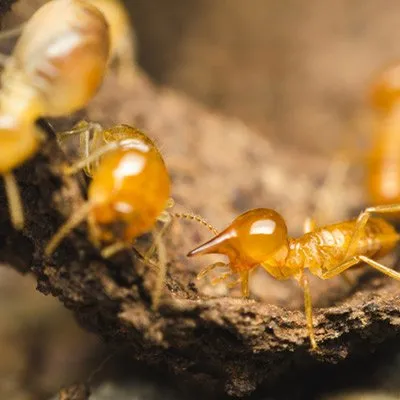 Termite Control Service Valparaiso IN[/caption]
Step-by-Step: How Professional Termite Control Works
If you suspect you have termites, or if you simply want to be proactive, you might be wondering what the process looks like. We believe in transparency, so here is what you can expect when you partner with us.The Comprehensive Inspection
Everything starts with a detailed inspection. Our licensed professionals will examine the interior and exterior of your home. We look in basements, crawl spaces, attics, and around the foundation. We are trained to spot the subtle signs of infestation that are easily missed, such as tiny mud tubes hidden behind bushes or moisture issues that attract pests.Customized Treatment Plan
Every home in Valparaiso is different. A historic home with a stone foundation requires a different approach than a modern home on a slab. We create a customized plan tailored to your specific construction type and the severity of the infestation. We will explain exactly what we intend to do and why, ensuring you are comfortable with the solution.Eco-Friendly Application
We utilize advanced control methods that target termites at the source. This often involves baiting systems or non-repellent liquid treatments.- Baiting Systems: These are strategically placed stations around your home. Termites find the bait, eat it, and share it with the colony. This method is incredibly effective at eliminating the colony while being low-impact on the surrounding environment.
- Non-Repellent Liquids: Unlike old-school chemicals, modern treatments are undetectable to termites. They travel through the treated soil and unknowingly carry the control agent back to the colony, creating a domino effect that eliminates the population.
Ongoing Monitoring
Termite control is not a one-time event; it is an ongoing shield. After the initial treatment, we recommend regular follow-ups to ensure the colony has been eradicated and to monitor for any new activity.Proactive Protection: Preventing Termite Infestations
While professional termite treatment is the heavy lifting, there are steps you can take as a homeowner to make your property less attractive to termites. Think of these as a partnership with your pest control plan.Moisture Control is Key
Termites need water. If you can keep the area around your foundation dry, you reduce the risk significantly.- Ensure gutters and downspouts are clean and direct water at least several feet away from the foundation.
- Fix leaky faucets or pipes in the crawl space or basement immediately.
- Ensure your crawl space has proper ventilation to reduce humidity.
Mind Your Wood
Termites love wood-to-soil contact. It provides them with a direct bridge from their underground home to their food source.- Keep firewood stacked off the ground and away from the house.
- Avoid using wood mulch right up against the foundation; consider using rock or rubber mulch in those areas instead.
- Ensure wooden trellises or fence posts do not touch the soil near the home's exterior walls.
Regular Professional Inspections
Even if you do all the maintenance right, termites are persistent. The most effective preventative measure is having a set of professional eyes on your property annually. We can spot potential risk factors before they turn into infestations.Long-Term Advantages of Investing in Termite Control
Spending money on pest control might not seem as exciting as renovating a kitchen or installing a new patio, but it is arguably more important. Investing in professional termite control provides tangible long-term benefits.Safeguarding Property Value
Your home is likely your largest financial investment. When it comes time to sell, a history of termite damage can significantly lower your resale value. Potential buyers will request a wood-destroying insect report. A clean bill of health from a licensed professional adds value and confidence to the transaction. Conversely, discovering active termites during a home inspection can kill a sale instantly or force you to lower your asking price by thousands.Cost-Effectiveness
The cost of preventative treatment is minimal compared to the cost of structural repairs. Replacing a sill plate or repairing floor joists involves not just carpentry, but often drywall repair, painting, and flooring replacement. Prevention is always cheaper than the cure.Peace of Mind
There is a specific kind of anxiety that comes from knowing your home might be under attack. By hiring The Green Advantage, you are buying peace of mind. You can sleep soundly knowing that knowledgeable, licensed professionals are monitoring your property and that your home is safe from the silent destroyer. [caption id="attachment_184" align="aligncenter" width="400"] Termite Control[/caption]
Secure Your Sanctuary Today
Your home is more than just wood and beams; it is where your memories are made. Don't let termites compromise the safety and value of your property. Identifying the issue early and acting decisively is the best way to protect your investment. Are you experiencing a pest issue? Would you like to have a local knowledgeable licensed professional assist you in eradicating your pests? The Green Advantage is here to help! We invite you to reach out to us. We can guide you through our process to ensure that the service you receive is the best fit for your household needs. Let us put our decades of experience and our passion for nature to work for you. Contact The Green Advantage today for a professional inspection and a customized termite control plan.Termite Control Lowell IN
Termite Control Lowell IN
Living in Lowell, Indiana, offers a unique blend of small-town charm and open landscapes that many of us are proud to call home. Whether you are enjoying a quiet evening on your porch or tending to your garden, there is a distinct sense of pride that comes with homeownership in our community. We invest time, money, and love into our properties, viewing them not just as buildings, but as the foundations of our future and financial stability. However, beneath the soil and behind the walls, a silent threat could be undermining your hard work. Termites are more than just a nuisance; they are a significant financial hazard that can quietly devastate the equity you have built in your home. Unlike storms or floods, which leave immediate and obvious damage, termites work in the dark, often eating away at the structural integrity of a house for years before they are detected. At The Green Advantage, we believe that informed homeowners are protected homeowners. We have decades of experience dedicated to quality services, and we understand that dealing with pests can be stressful. That is why we are here to guide you through the reality of termite threats in Lowell and explain how professional termite control is the smartest investment you can make for your property's long-term value.Understanding Termites: Essential Knowledge for Lowell Homeowners
To protect your home, you first need to understand what you are up against. In the Midwest, and specifically here in Northwest Indiana, the primary culprit is the Eastern Subterranean Termite. These are not the pests that simply crawl across your kitchen counter; they are subterranean, meaning they live in the soil and build complex tunnel systems to reach their food source: the wood in your home.Why Our Local Climate Matters
Lowell’s climate contributes significantly to termite activity. We experience a mix of humid summers and wet springs, which creates the ideal moisture levels in the soil that termites need to survive. While they slow down during our freezing winters, they don’t necessarily die off. Instead, they retreat deeper into the soil—or stay active inside the temperature-controlled environment of your heated home. This means your property could be under attack year-round without you realizing it.Identifying the Silent Destroyers
Termites are often confused with flying ants, but there are distinct differences. Termites have straight antennae and a broad waist, whereas ants have elbowed antennae and a pinched waist. However, you rarely see the insects themselves until an infestation is severe. Instead, you should be on the lookout for these warning signs:- Mud Tubes: Subterranean termites build pencil-sized tunnels made of soil and wood particles to travel from the ground to your foundation. You might see these running up concrete walls or foundation piers.
- Discarded Wings: When a termite colony matures, "swarmers" leave to start new colonies. Finding piles of discarded wings near windowsills or doors is a major red flag.
- Hollow-Sounding Wood: If you tap on your baseboards or wood trim and it sounds hollow or papery, termites may have eaten the interior, leaving only a thin outer layer of paint or varnish.
- Frass: While more common with drywood termites, seeing small piles of pellet-like droppings can indicate wood-destroying insect activity.
Pest Control Near Saint John IN[/caption]
Hidden Costs: How Termites Can Affect Your Finances
When we talk about termites, we aren't just talking about bugs; we are talking about your bank account. It is estimated that termites cause over $5 billion in property damage annually across the United States. What makes this statistic even more alarming for homeowners in Lowell is that most standard homeowners insurance policies do not cover termite damage. They view it as a preventable maintenance issue, meaning the cost of repairs comes directly out of your pocket.Structural Compromise
Termites consume cellulose, the organic material found in wood. Over time, a colony can eat through structural support beams, floor joists, and wall studs. In severe cases, this can cause floors to sag, walls to buckle, and even ceilings to collapse. Repairing structural damage is an incredibly expensive and invasive process, often requiring contractors to strip a home down to its frame.Impact on Resale Value
Even if the damage isn't catastrophic, a history of termite activity can ruin a real estate transaction. When you decide to sell your home, a wood-destroying insect inspection is typically required. Evidence of active termites or past untreated damage can cause potential buyers to walk away immediately or demand a significant reduction in the asking price. By maintaining a professional termite control plan with The Green Advantage, you are preserving your home's marketability and value.The Limitations of DIY Termite Solutions
We understand the urge to handle household problems yourself. There is a sense of accomplishment in DIY home maintenance. However, when it comes to termites, "do it yourself" methods are rarely effective and can lead to a false sense of security.The Problem with Surface Treatments
Most store-bought termite sprays kill only the insects you see on contact. The problem is that the visible termites are just the tip of the iceberg. The queen and the rest of the colony are hidden safely underground or deep within your walls. Killing a few foragers does nothing to stop the colony from reproducing and continuing to feed on your home.Incorrect Application
Termite control involves precise application of treatments. It requires knowledge of building construction, soil types, and termite biology. Creating a continuous chemical barrier around a home’s foundation requires specialized equipment to inject liquid termiticides into the soil at the correct depth and concentration. A gap of even a few inches in this barrier allows termites to find a way through.Safety Concerns
Handling chemicals requires expertise to ensure the safety of your family, pets, and the local ecosystem. At The Green Advantage, working with nature is a passion that goes beyond being a career. We are constantly researching ways to improve services offered to customers, ensuring that our methods are safe and effective. DIY applications often lead to overuse or misuse of products, which poses environmental risks without solving the pest problem.The Green Advantage: Your Partner in Termite Control in Lowell, IN
Choosing the right partner for your pest control needs is crucial. The Green Advantage began as a small lawn maintenance company, but we found ourselves dealing more and more with problems that others had difficulty solving. The knowledge of nature that was gained both in the field and by hobby began to transform the business into the premier pest control provider for Lowell and the surrounding areas. We are not just a service provider; we are your neighbors. We understand the specific soil conditions and construction styles in Lowell, IN, allowing us to tailor our approach to your specific needs. Every customer who signs up for our services will communicate directly with our helpful staff for scheduling and information about the pest problem. This allows for our licensed technicians to focus on what they do best: solving your pest issues. Our approach combines deep biological knowledge with advanced technology. We don't just spray and pray; we analyze the infestation and implement a strategy designed to eliminate the entire colony while respecting your property and the environment. [caption id="attachment_698" align="aligncenter" width="600"] Termite Control Service Lowell IN[/caption]
The Process: What to Expect from Professional Termite Control
If you suspect you have termites, or if you simply want to prevent them, you might be wondering what the process looks like. We believe in transparency, so here is what you can expect when you contact The Green Advantage.Comprehensive Inspection
It all starts with a thorough examination. Our licensed professionals will inspect the interior and exterior of your home, looking for the subtle signs of activity mentioned earlier. We check crawl spaces, basements, attics, and the perimeter of your foundation. We identify not just active infestations, but also conditions that might attract termites in the future.Customized Treatment Plan
No two homes in Lowell are exactly alike, and neither are our treatment plans. Based on our findings, we will recommend a solution that fits your home’s construction and the severity of the threat. This might involve liquid soil treatments to create a protective barrier, baiting systems that target the colony, or a combination of methods.Professional Application
Our technicians are trained in the safe and effective application of termiticides. We treat the soil around your foundation and, if necessary, treat specific wood components within your home. We take great care to protect your landscaping and ensure your family's safety during the process.Ongoing Monitoring and Prevention
Termite control is not a "one and done" event. The Green Advantage offers ongoing monitoring services to ensure the termites do not return. We place monitoring stations to detect early activity, allowing us to intervene before damage occurs. This long-term relationship ensures your home remains protected year after year.Preventative Measures: Keeping Termites at Bay
While professional termite treatment is the heavy lifting, there are several steps homeowners in Lowell can take to make their property less attractive to termites. Think of these as partnering with us to defend your home.Manage Moisture
Termites love damp environments. Ensure that your gutters and downspouts are clean and directing water away from your foundation. Fix leaky faucets and pipes immediately. If you have a crawl space, ensure it is properly ventilated or consider encapsulation to reduce humidity levels.Remove Food Sources
Don't feed the enemy. Avoid stacking firewood or lumber directly against your house or on the ground near your foundation. Keep mulch at least 15 inches away from the foundation, as mulch retains moisture and provides cover for termites. Remove dead tree stumps and roots from your yard, as these are prime nesting sites.Maintain Clear Visibility
Keep the soil line around your foundation visible. If siding or stucco extends into the soil, it provides a hidden entry point for termites. Ensure there is a gap between the ground and your siding so that any mud tubes they build are easily visible during inspections.The Value of Long-Term Termite Control Solutions
Investing in professional termite control is exactly that—an investment. The cost of prevention is a fraction of the cost of repair.Safeguarding Equity
Your home is likely your largest financial asset. By keeping it termite-free, you are protecting that equity. When it comes time to sell, being able to provide documentation of professional termite protection gives buyers confidence and supports your asking price.Peace of Mind
There is a tangible value to peace of mind. Knowing that a licensed professional is watching over your home allows you to sleep soundly, without worrying about what is happening inside your walls. You can enjoy your home without the nagging fear of hidden damage.Cost Effectiveness
The "wait and see" approach is the most expensive strategy. Waiting until you see damage usually means thousands of dollars in repairs are already necessary. Regular inspections and preventative treatments from The Green Advantage minimize this risk, saving you substantial money over the lifespan of your home ownership. [caption id="attachment_184" align="aligncenter" width="600"] Termite Control[/caption]
Don’t Wait: Secure Your Home Today
Your home in Lowell IN is more than just a structure; it is the backdrop of your life and a cornerstone of your financial future. Don't let termites compromise your safety or your property value. The threat is real, but the solution is local, reliable, and effective. Are you experiencing a pest issue? Would you like to have a local, knowledgeable licensed professional assist you in eradicating your pests? The Green Advantage is here to help! We can guide you through our process to ensure that the service you receive is the best fit for your household needs. Don't wait for the floor to creak or the walls to crumble. Take proactive steps today to secure your home. Contact The Green Advantage for a comprehensive inspection and a customized termite control plan. Let us put our passion and expertise to work for you, protecting your home so you can focus on enjoying it.Termite and Pest Control
Termite and Pest Control: How to Stop Silent Damage Before It Starts
In the world of home ownership, few phrases strike fear quite like "termite damage." Often referred to as "silent destroyers," termites and similar pests have earned this nickname for a terrifying reason: they work quietly, invisibly, and relentlessly. Unlike a burst pipe or a broken window, a pest infestation rarely announces itself with a loud bang. Instead, colonies expand in the dark, chewing through structural support beams, flooring, and wall studs while life continues as normal above ground. The damage caused by these pests is not just a structural issue; it is a financial one. Billions of dollars are spent annually in the United States on termite and pest control and repair costs, much of which is not covered by standard homeowner insurance policies. The insidious nature of these infestations means that a home can look perfectly healthy on the outside while being hollowed out from the inside. Fortunately, these silent threats do not have to result in catastrophic loss. The key lies in understanding how these pests operate, recognizing the subtle warning signs they leave behind, and implementing a robust prevention strategy. Pest control termite control is not just about reacting to bugs when they appear; it is about creating an environment where they cannot thrive.Unmasking the Enemy: Understanding Termite Behavior
Subterranean vs. Drywood Termites
Understanding the enemy is the first step in effective defense, and in the world of termite and pest control, knowing the difference between Subterranean and Drywood termites is crucial. Subterranean termites require contact with the soil to survive and typically build mud tubes to travel from the ground into a structure, attacking from the bottom up. In contrast, Drywood termites do not need soil contact or as much moisture; they can fly directly into attics or second-story eaves to infest furniture and framing.The "Silent" Signal: How Colonies Grow
A termite colony’s growth is a slow, methodical process that can easily go undetected by an untrained eye. A queen can lay thousands of eggs a day, yet the colony remains hidden deep underground or within the wood itself, avoiding light and open air. This allows the population to swell to hundreds of thousands of members over several years without triggering typical alarms like noise or visible bugs in the living areas.The Role of Moisture in Infestations
Moisture is practically a beacon for termites, drawing them toward a home’s foundation with the promise of survival. These pests are constantly seeking water to prevent their bodies from drying out, which is why leaky faucets, clogged gutters, or condensation around air conditioning units can be so dangerous. Even high humidity levels in a crawlspace can create the perfect microclimate for an infestation to take hold. [caption id="attachment_184" align="aligncenter" width="400"] Pest & Termite Control[/caption]
Early Warning Signs You Can’t Afford to Ignore
Deciphering Mud Tubes
One of the most definitive signs of a Subterranean termite invasion is the presence of mud tubes, which act as a protected superhighway for the insects. These pencil-sized tunnels are constructed from soil and wood particles, often appearing as vein-like structures running up concrete foundations or exterior walls. They protect the termites from predators and dehydration as they travel between their nest in the ground and their food source in the house.The Difference Between Flying Ants and Termite Swarmers
Springtime often brings swarms of flying insects, causing panic among homeowners who struggle to differentiate between harmless ants and destructive termites. A clear checklist can help distinguish the two: termites have straight antennae and a thick, uniform waist, whereas ants have elbowed antennae and a pinched, narrow waist. Additionally, termite wings are all equal in length, while flying ants have front wings that are longer than their back wings.Structural Clues: Bubbling Paint and Hollow Wood
Sometimes, pest control termite control issues disguise themselves as water damage, misleading homeowners into thinking they have a plumbing leak rather than an infestation. Uneven or bubbling paint can occur when termites eat the drywall paper or wood directly behind the painted surface, leaving only a thin layer of paint intact. Similarly, wood that sounds hollow when tapped or crumbles easily upon contact suggests that the interior has been consumed.The Green Advantage Inspection Process
Going Where You Can't
Licensed technicians at The Green Advantage pride themselves on conducting thorough inspections that go far beyond a superficial glance at the property. The inspection process involves crawling into tight, uncomfortable crawlspaces, navigating dusty attics, and meticulously checking the foundation perimeter to uncover threats hidden from the untrained eye.Utilizing Advanced Detection Methods
Decades of field experience are combined with modern tools to ensure a comprehensive assessment of a property's health. While visual inspections are critical, advanced detection methods allow technicians to identify moisture variances and activity occurring behind walls where the human eye cannot see. This technology helps pinpoint areas of concern without the need for invasive measures like tearing down drywall initially.Honest, Transparent Reporting
After an inspection is complete, findings are presented in plain, easy-to-understand language rather than technical jargon. The Green Advantage believes in educating customers, not confusing them, ensuring that every homeowner understands the severity of the situation and the available solutions. Whether the news is good or bad, the reporting is always honest and transparent, allowing families to make the best decision for their household needs.Beyond Termites: Other Silent Wood Destroyers
Carpenter Ants: The Excavators
While termites eat wood, carpenter ants damage homes by excavating it to build their nests, which can be just as structurally compromising. These large ants prefer moist or decaying wood but will readily move into sound wood as their colony expands. The tell-tale sign of their presence is often small piles of "frass," which looks like fine sawdust, located beneath the areas where they are digging.Powderpost Beetles and Old Houses
Powderpost beetles are smaller culprits that can turn solid beams into powder over time, posing a significant threat to hardwood floors and antique furniture. They are often found in older homes or in untreated hardwoods, where their larvae bore through the wood, reducing it to a flour-like dust.Carpenter Bees and Eave Damage
Carpenter bees might resemble fuzzy, harmless bumblebees, but their nesting habits can cause significant damage to eaves, decks, and siding. Unlike termites, they drill nearly perfect, round holes into wood to lay their eggs, creating tunnels that weaken the structure over time. While a single bee might not cause structural collapse, repeated drilling by multiple generations can lead to extensive water damage and rot in the affected areas.Practical Prevention Strategies for Homeowners
Managing Moisture Around the Foundation
One of the most effective ways to prevent pest issues is by making the perimeter of a home less hospitable through proper moisture management. Actionable steps include extending downspouts away from the foundation and ensuring that the ground slopes away from the house to prevent water accumulation. Repairing leaky outdoor faucets and checking irrigation systems for overspray can also keep the soil near the foundation dry.Eliminating Wood-to-Ground Contact
A common entry point for termites is where wooden structures come into direct contact with the soil, creating a bridge for pests to cross effortlessly. Creating a buffer zone is essential; wood siding should be at least six inches above the ground, and mulch should be pulled back from the foundation. Trellises, planter boxes, and fence posts should not touch the exterior walls or the earth directly near the home.Ventilation is Key
Improving airflow in crawlspaces and attics is a vital strategy for reducing the humidity levels that wood-destroying organisms need to survive and thrive. Proper ventilation prevents moisture buildup that can lead to wood rot and fungus, both of which serve as a dinner bell for termites and beetles. Installing active vents or vapor barriers in crawlspaces can drastically change the environment beneath a home, making it dry and unappealing to pests. [caption id="attachment_192" align="aligncenter" width="400"] Pest & Termite Control Service[/caption]
Smart, Eco-Conscious Treatment Options
Liquid Barriers vs. Baiting Systems
When it comes to treatment, homeowners often choose between creating a chemical liquid barrier around the home or using bait stations. A liquid barrier acts as a continuous shield in the soil, killing termites that attempt to pass through it to reach the structure. Alternatively, baiting systems use a slow-acting toxicant that foraging termites carry back to the colony, effectively eliminating the population at its source.The Green Advantage Safety Protocols
A passion for working with nature means selecting treatments that are tough on termites but safe for children, pets, and the local ecosystem. The Green Advantage prioritizes safety protocols that minimize environmental impact while maximizing efficacy against pests. By using targeted applications and low-toxicity products where possible, the goal is to solve the pest problem without introducing unnecessary risks to the household.Long-Term Monitoring and Maintenance
Effective termite control is never a one-time event; it requires ongoing vigilance to ensure the protective measures remain intact. Annual inspections allow professionals to check for any breaches in the barrier or new signs of activity that may have arisen due to landscaping changes or weather events. Monitoring stations placed around the property serve as an early warning system, alerting technicians to pest pressure before it reaches the structure.The Real Cost of Ignoring Pest Control
Prevention vs. Restoration Costs
The financial reality of termite and pest control is stark: investing in preventative measures is a fraction of the cost compared to the massive expense of restoration. Repairing structural beams, replacing hardwood flooring, and rebuilding compromised wall studs can run into thousands, if not tens of thousands, of dollars. Preventative treatments and inspections are a small, predictable expense that acts as insurance against these overwhelming repair bills.Why Homeowners Insurance Often Denies Claims
Many homeowners are shocked to discover that their insurance policies typically classify termite damage as "preventable," meaning claims for repairs are often denied. Insurers view infestations as a maintenance issue that the homeowner should have addressed, leaving the property owner solely responsible for the costs.Protecting Your Property Value
Whether a homeowner plans to sell in the near future or stay in the home forever, a history of termite damage can significantly lower the property's market value. During the sales process, a wood-destroying insect inspection is standard, and evidence of past or present infestation can derail a sale or force a drastic reduction in the asking price.Why Choosing a Local Expert Matters
Knowledge of Local Pest Trends
Every region has specific soil types, weather patterns, and insect behaviors that influence how infestations occur. The Green Advantage leverages deep knowledge of these local trends to predict and prevent infestations specific to the community's environment. Understanding whether the neighborhood is prone to particular termite species or if local soil conditions degrade treatments faster allows for more accurate planning.A Relationship Built on Trust
When calling The Green Advantage, a customer isn't routed to a distant call center but speaks with helpful staff who live in the community and care about solving unique problems. This direct line of communication builds a relationship based on trust and accountability.Customized Solutions for Local Homes
Cookie-cutter solutions simply do not work for every house, as construction styles and neighborhood-specific environmental factors vary widely. The approach is always tailored to the specific needs of the property, whether it is a historic home with a stone foundation or a new build on a slab. By customizing the pest & termite control strategy, technicians ensure that the treatment addresses the specific vulnerabilities of the structure. [caption id="attachment_698" align="aligncenter" width="400"] Pest & Termite Control Specialist[/caption]